








Kitchen Journal
Home / Journal

Kitchen Journal

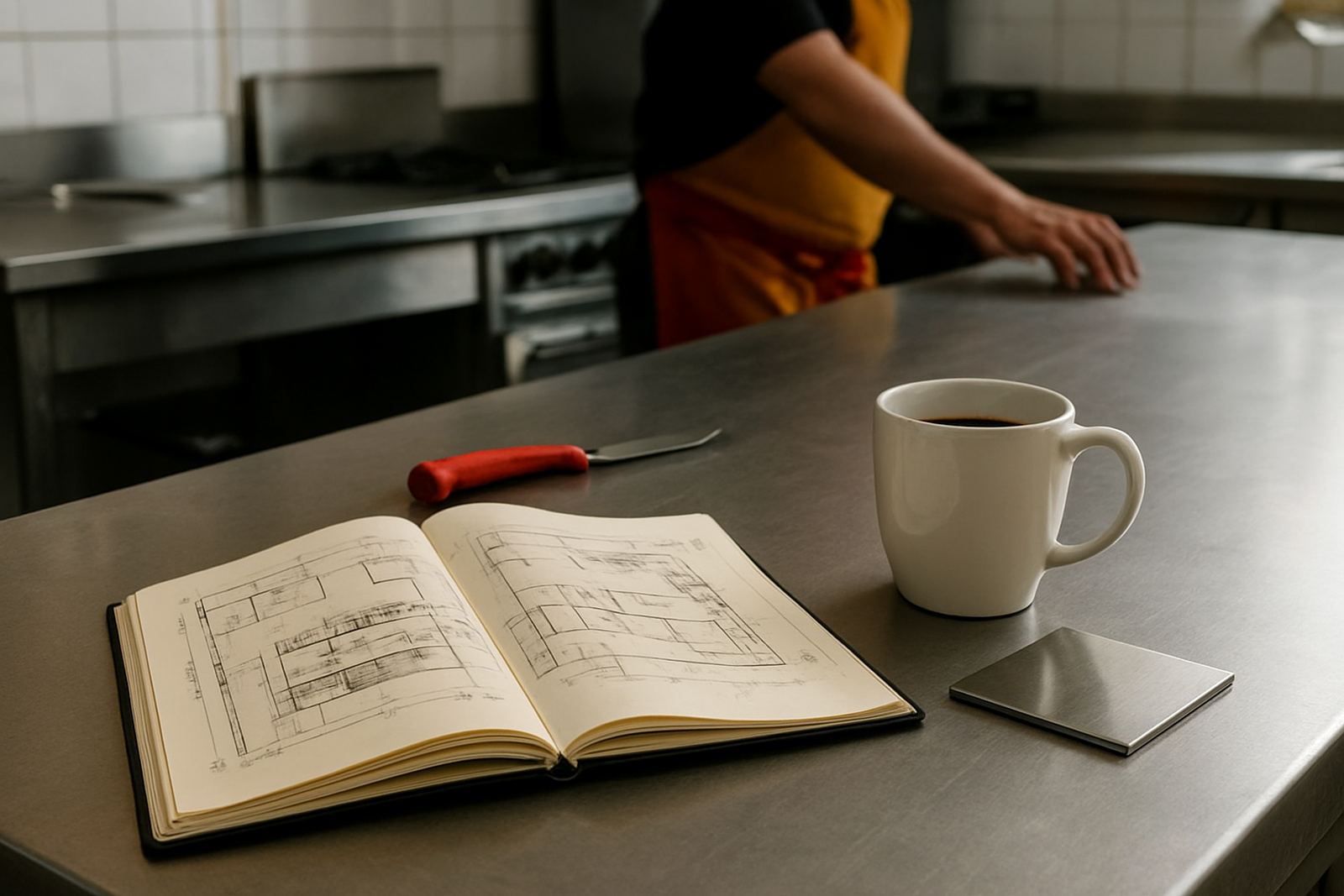
Our journal covers practical issues in commercial kitchen planning, equipment selection and operation. Articles are written for owners, managers, chefs and facilities teams in KwaZulu-Natal.

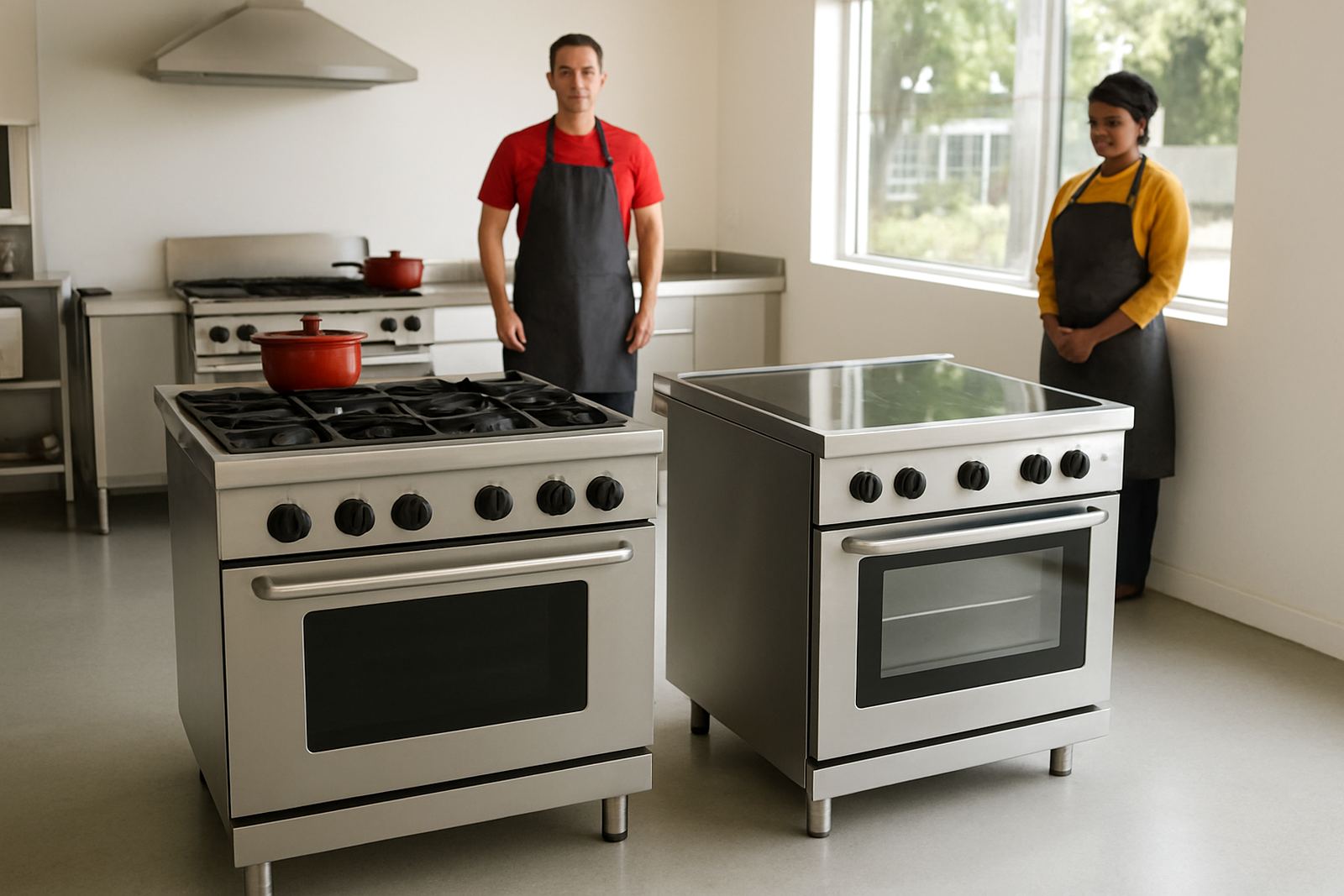
Gas or Electric

Gas or Electric

A practical comparison of cooking power, running conditions and site suitability.

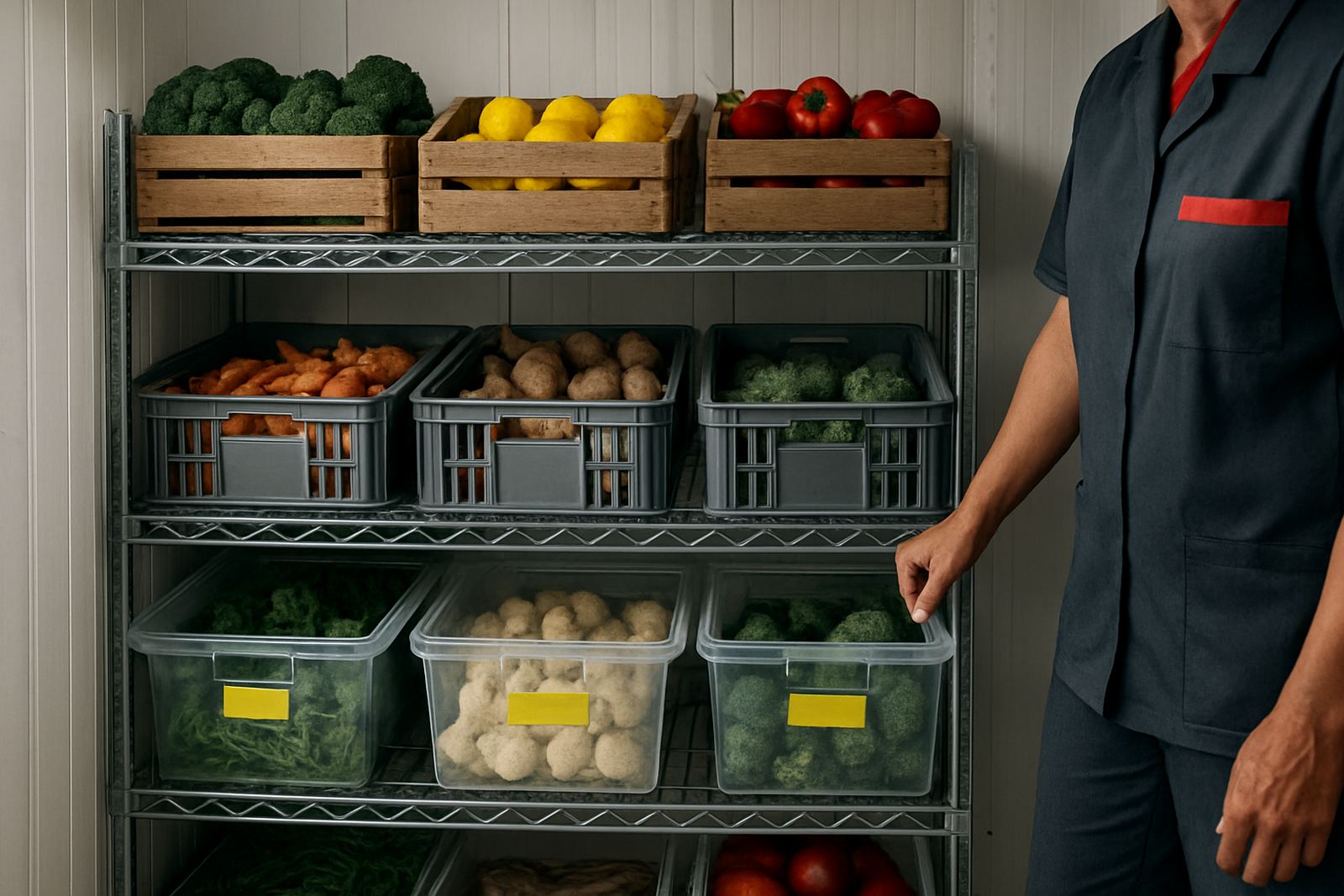
Cold Room Sizing

Cold Room Sizing

How to estimate storage volume, access needs and stock rotation space.

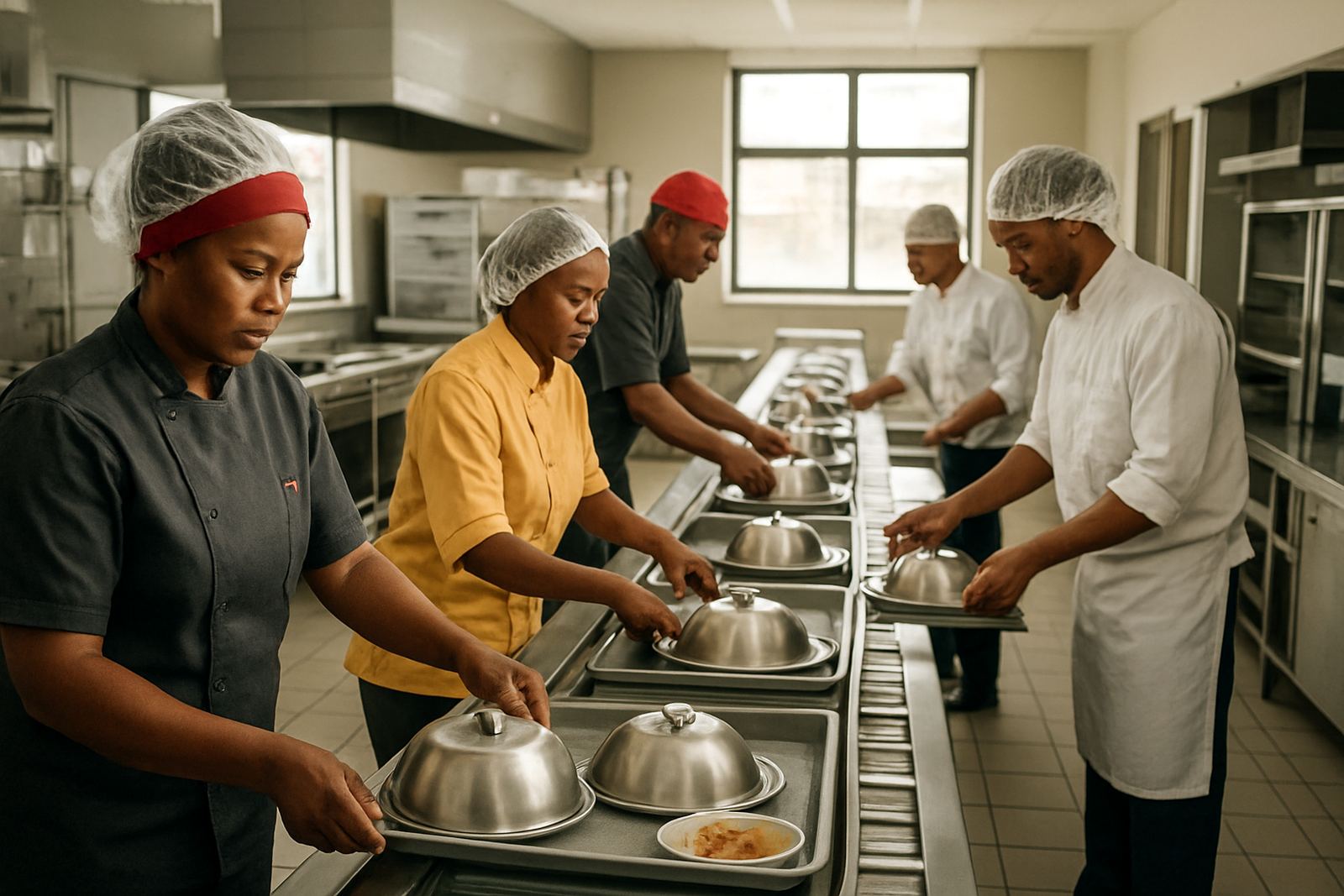
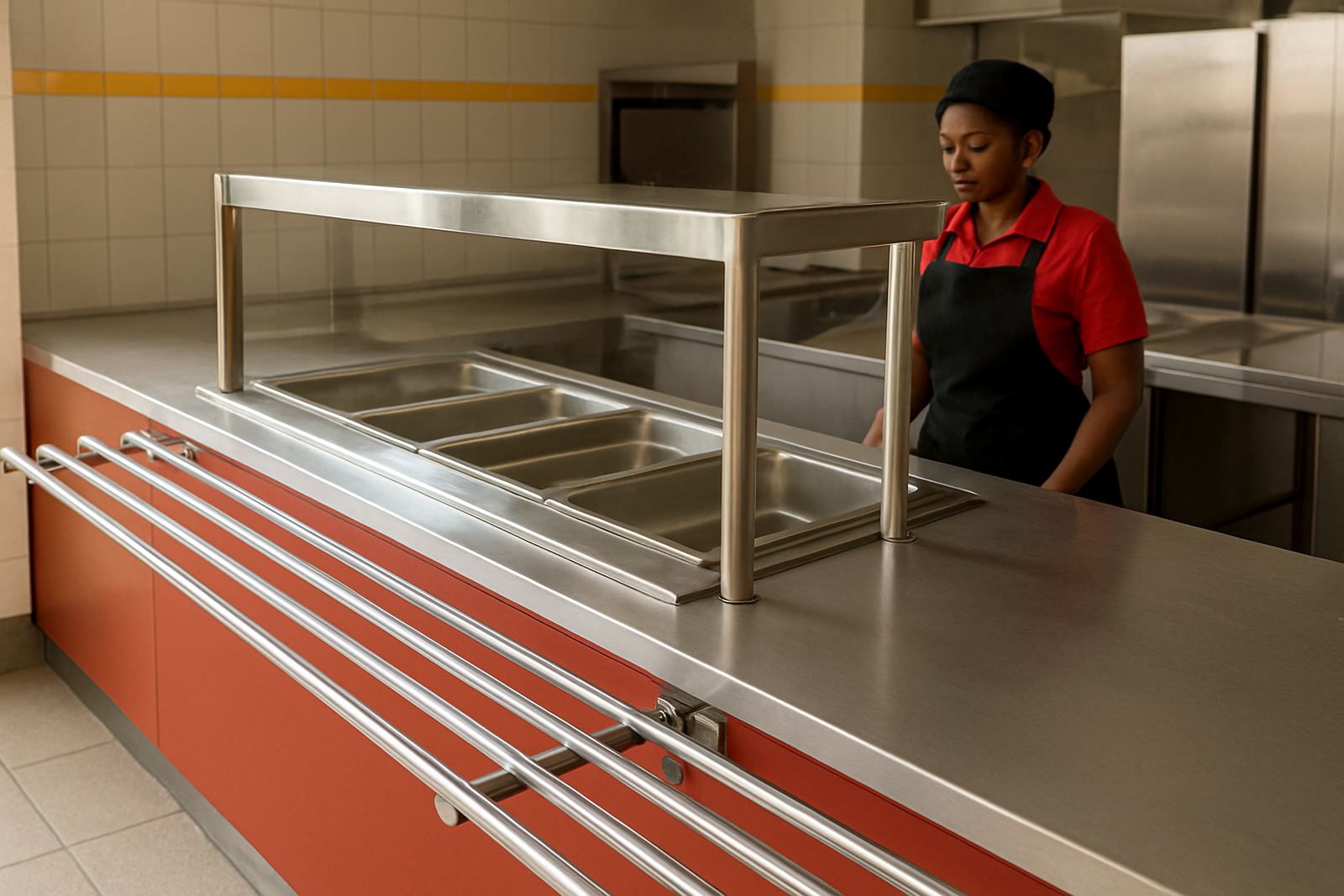
Canteen Queue Flow

Canteen Queue Flow

Ways to reduce bottlenecks around tray rails, tills and hot holding counters.

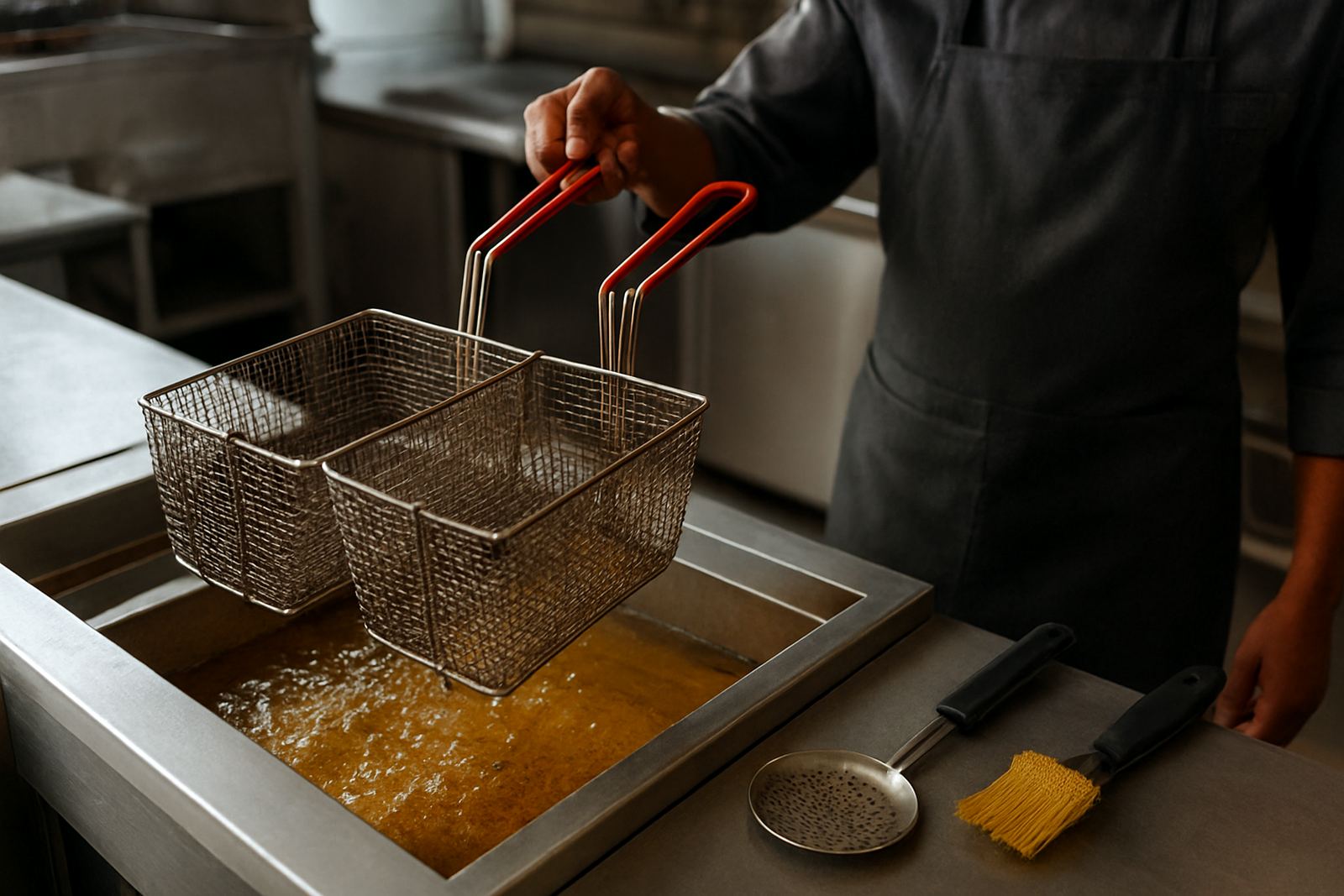
Fryer Oil Care

Fryer Oil Care

Simple habits that improve food quality and make oil last longer.

Hospital Kitchen Flow

Hospital Kitchen Flow

Why production zoning and meal timing matter in healthcare kitchens.

Small Kitchen Layouts

Small Kitchen Layouts

Planning tips for compact kitchens where every step and surface counts.

Ventilation Basics

Ventilation Basics

What extractor canopies and airflow need to achieve in hard-working kitchens.

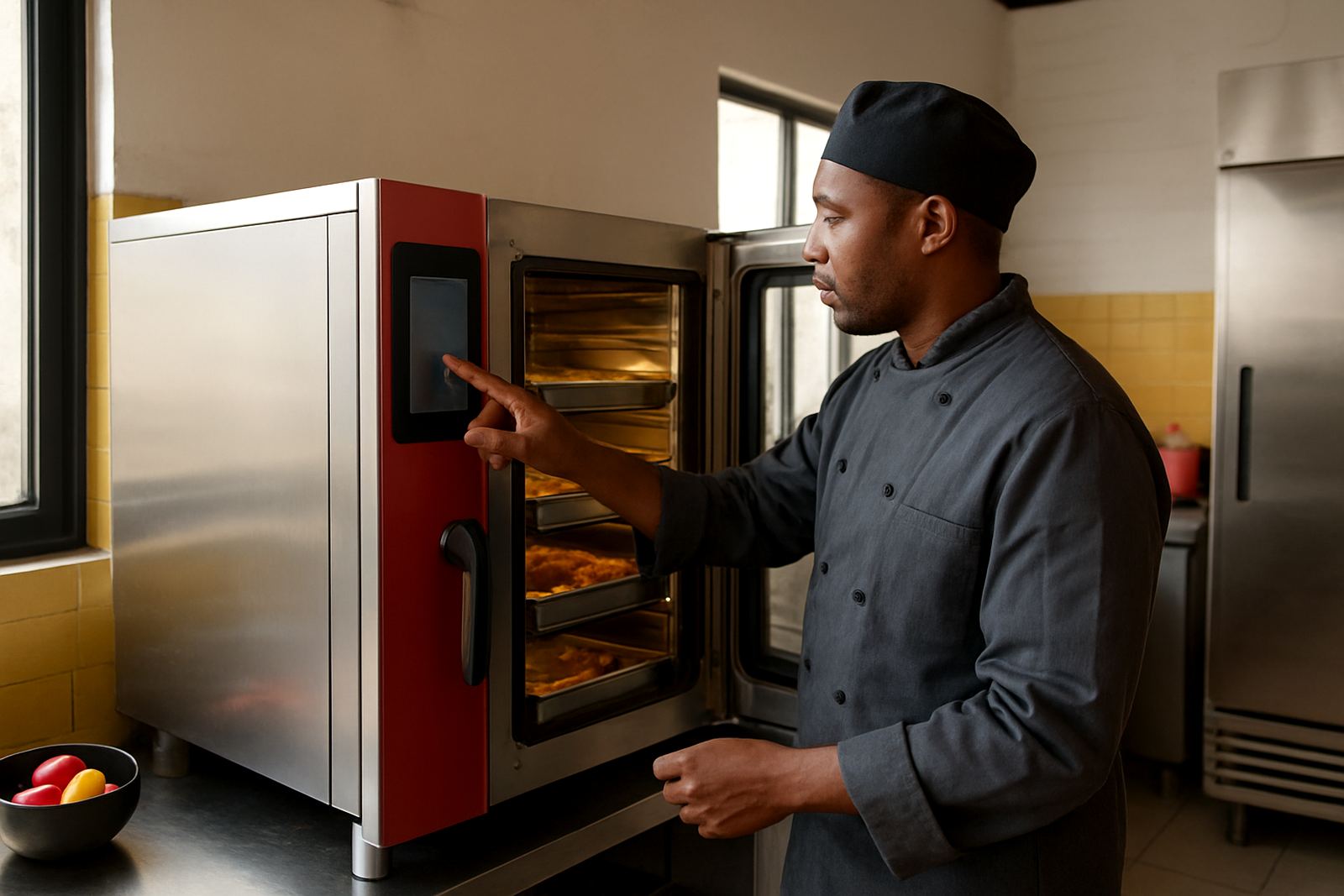
Choosing a Combi

Choosing a Combi

Key questions before buying a combi oven for mixed menu production.

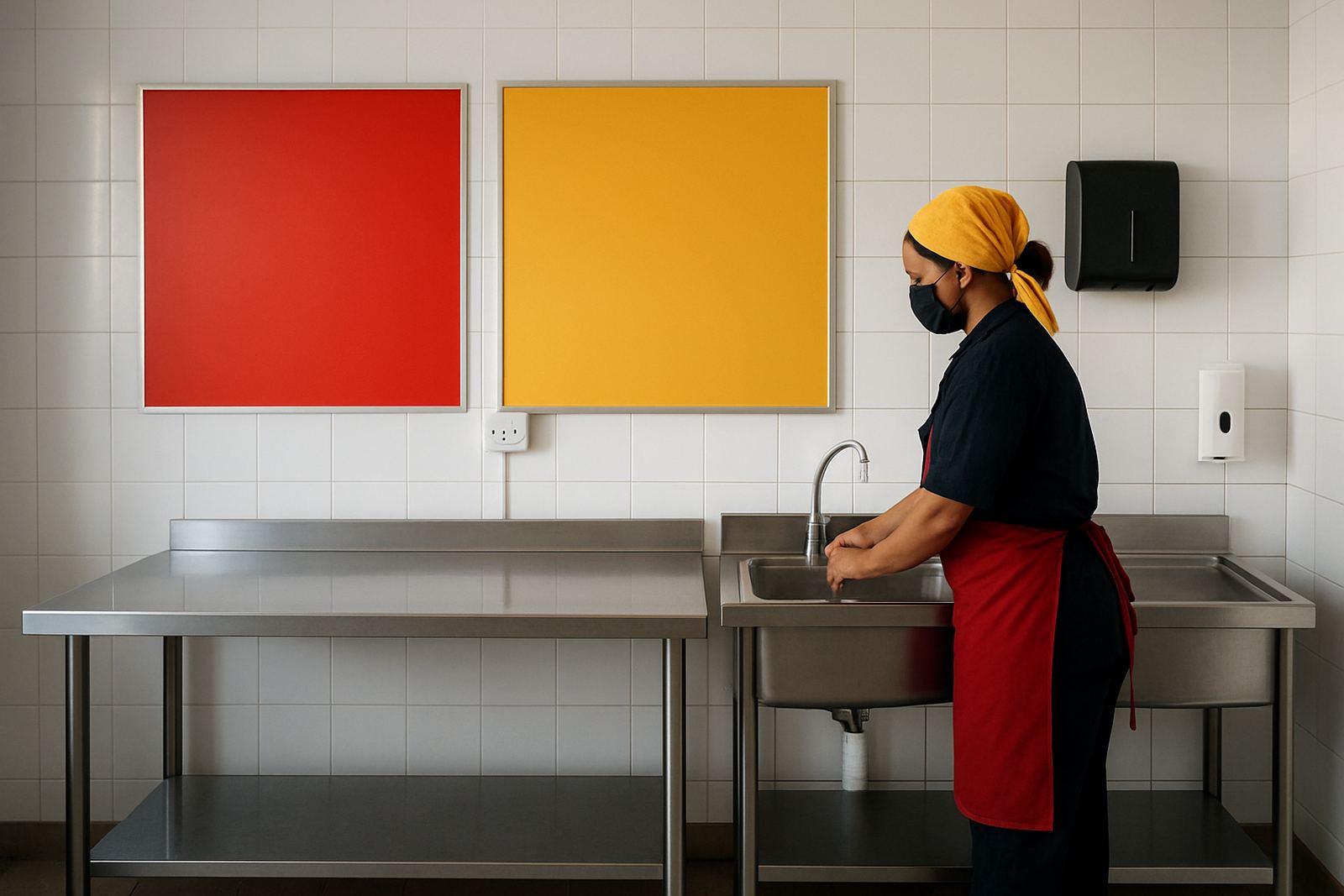
Prep Room Hygiene

Prep Room Hygiene

Layout and cleaning choices that help maintain safer food preparation spaces.

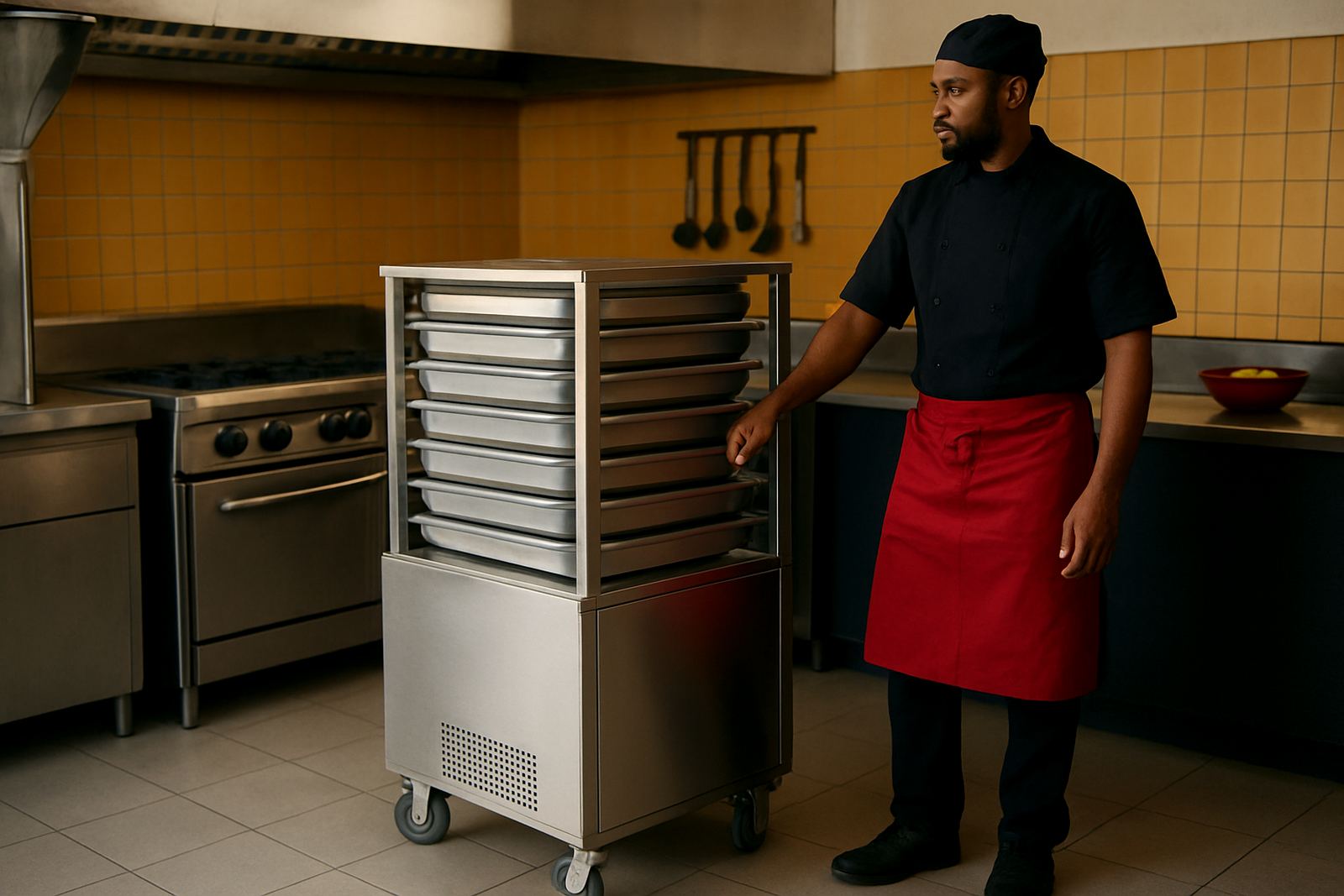
Blast Chilling Benefits

Blast Chilling Benefits

How rapid cooling supports safety, production planning and stock control.

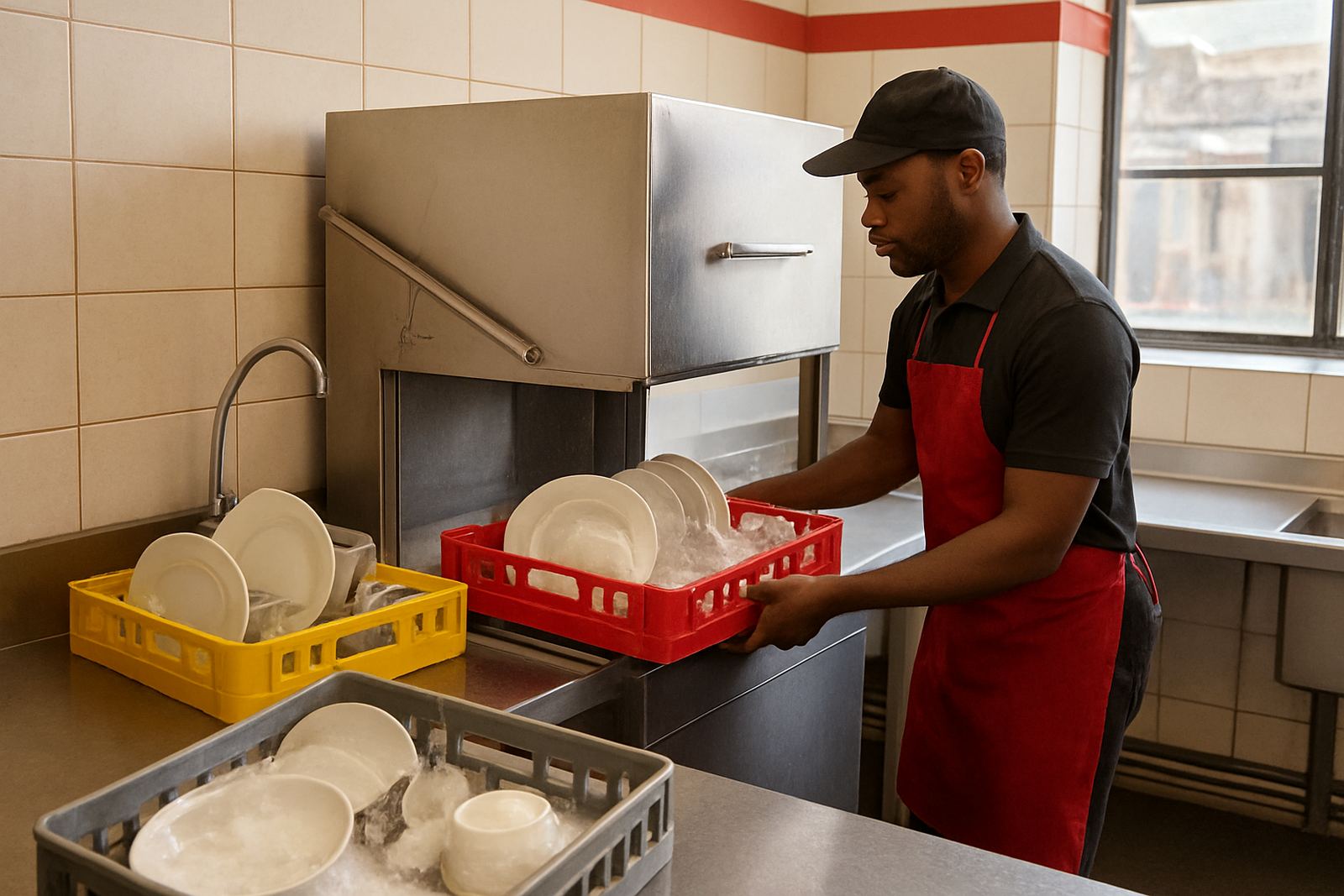
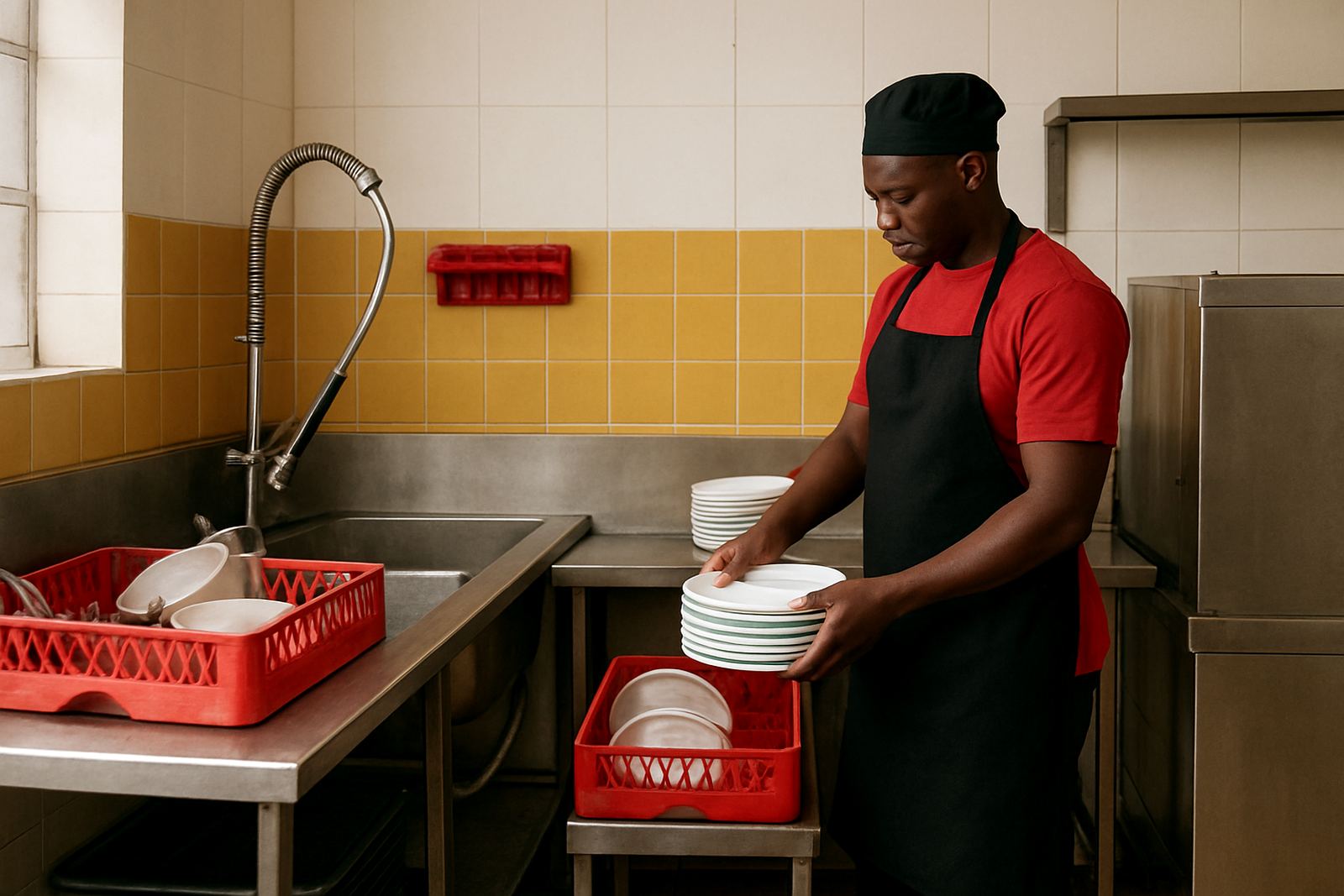
Dishwash Area Design

Dishwash Area Design

Scullery layout ideas for cleaner ware flow and less congestion.

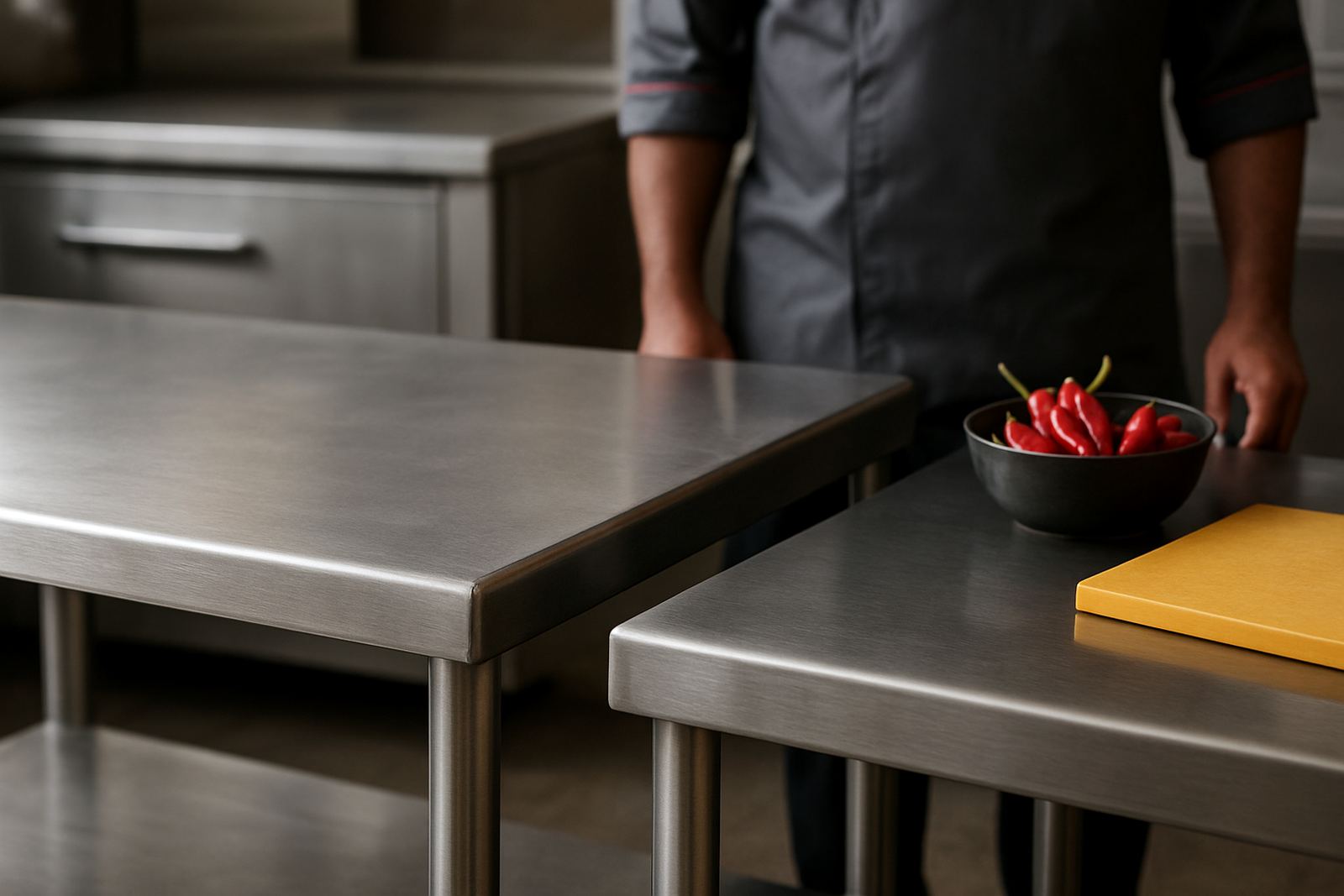
Stainless Steel Grades

Stainless Steel Grades

A plain-language look at common stainless choices in food-service environments.

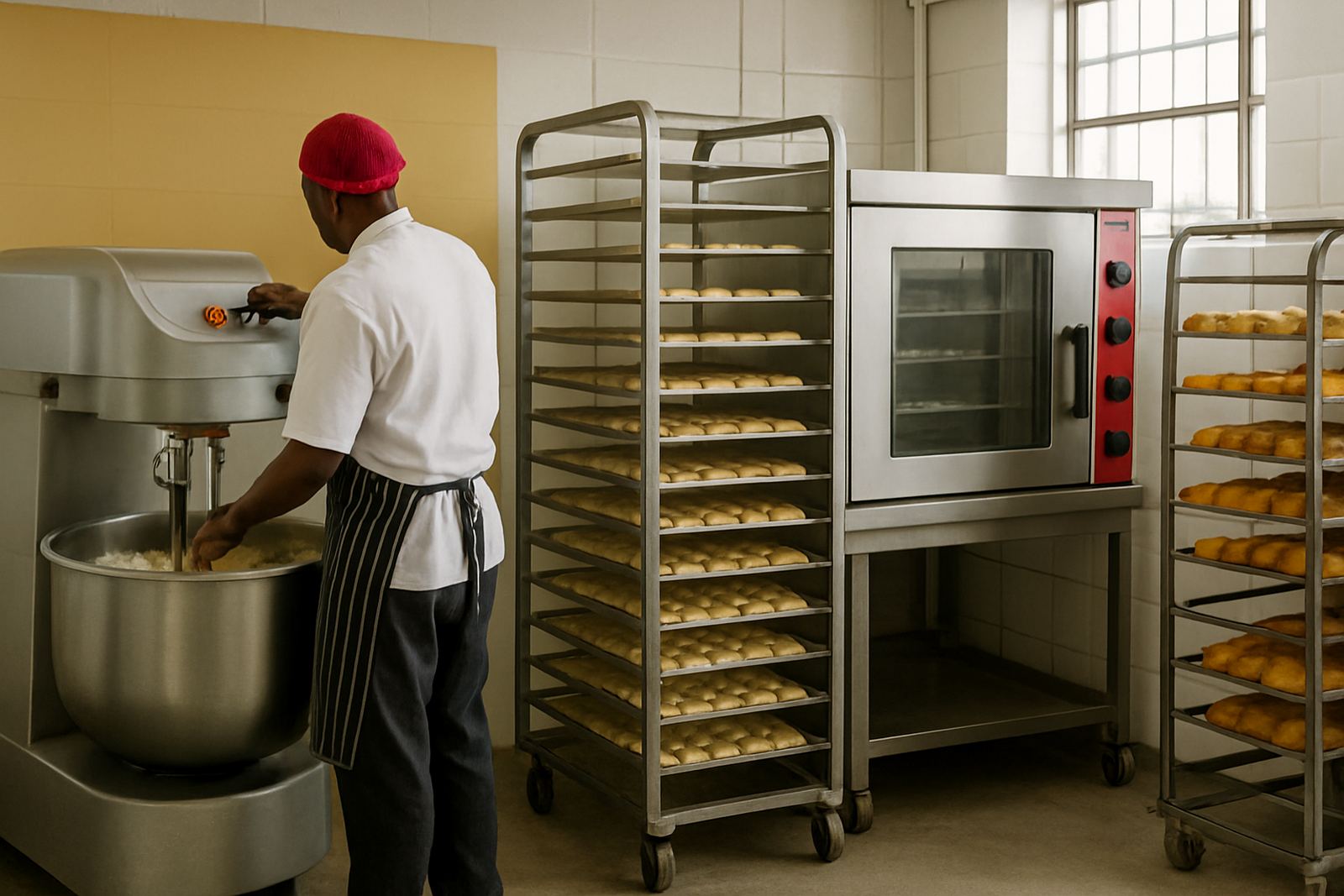
Bakery Workflow

Bakery Workflow

How to place mixers, proving, baking and cooling for smoother output.

School Feeding Kitchens

School Feeding Kitchens

Practical kitchen priorities for feeding schemes with simple menus and limited staff.

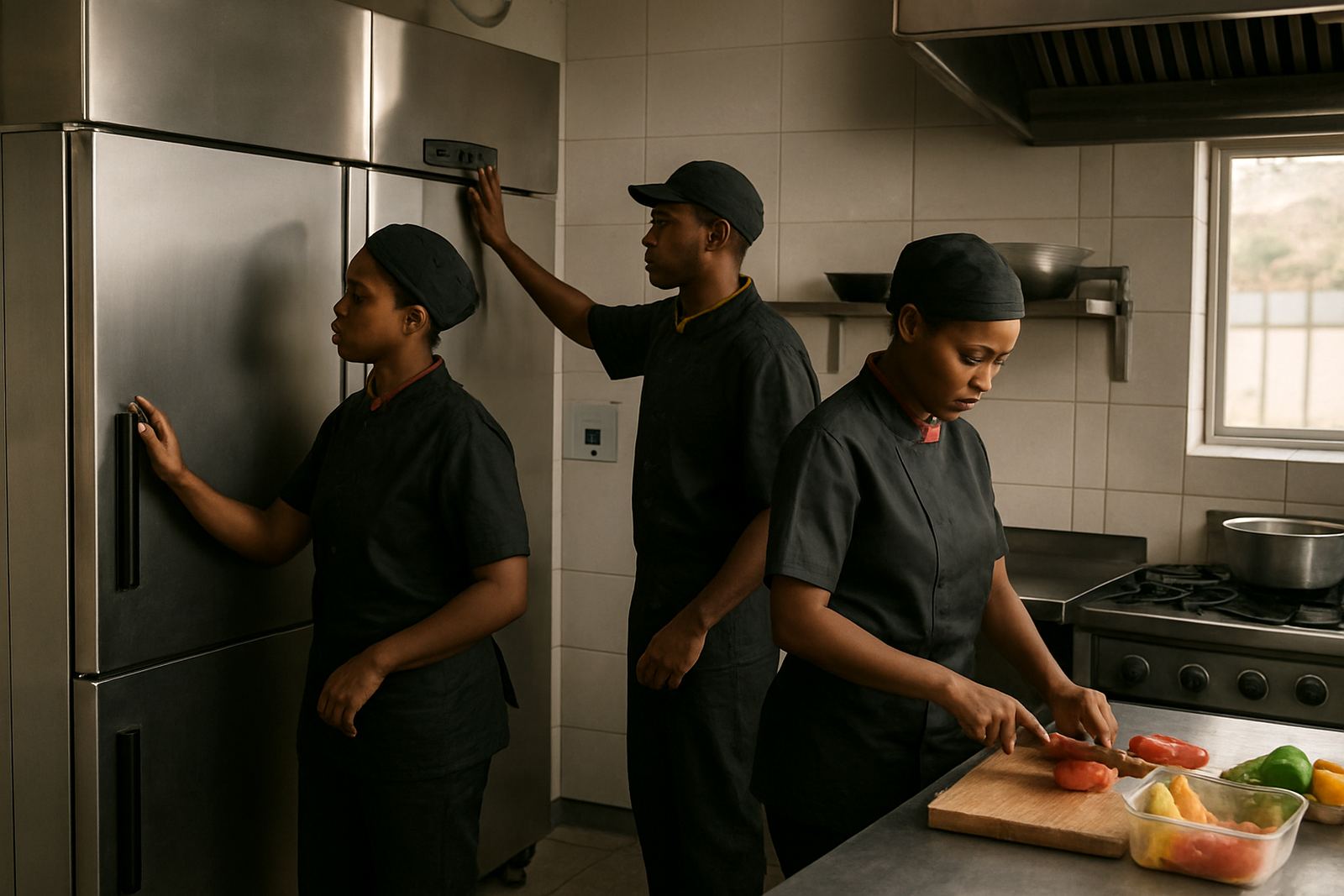
Refrigeration Door Care

Refrigeration Door Care

Door seal checks and habits that help cold equipment hold temperature.

Menu Drives Equipment

Menu Drives Equipment

Why equipment lists should follow menu method, volume and service style.

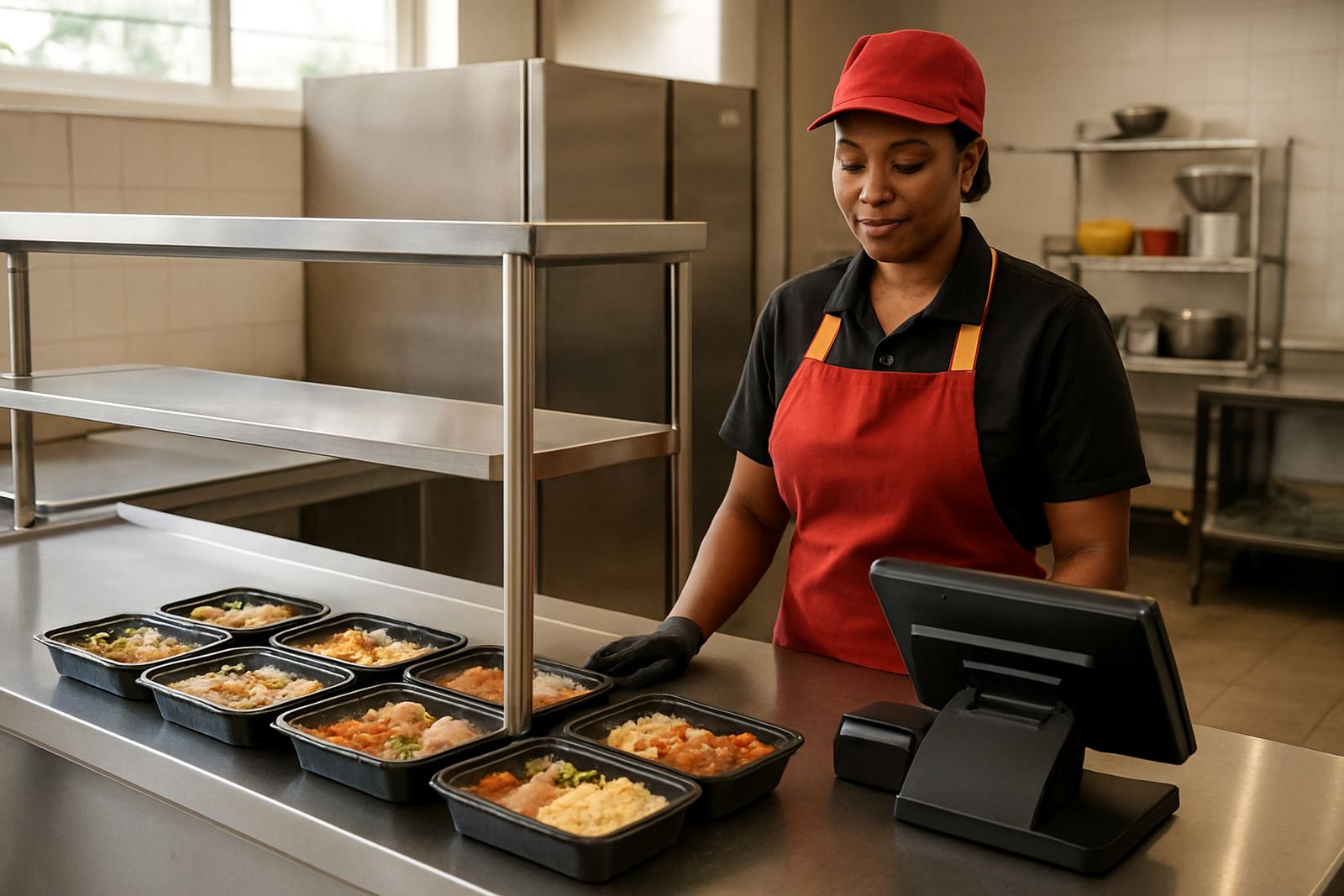
Counter Service Basics

Counter Service Basics

Design points for smooth front-counter collection and back-counter replenishment.

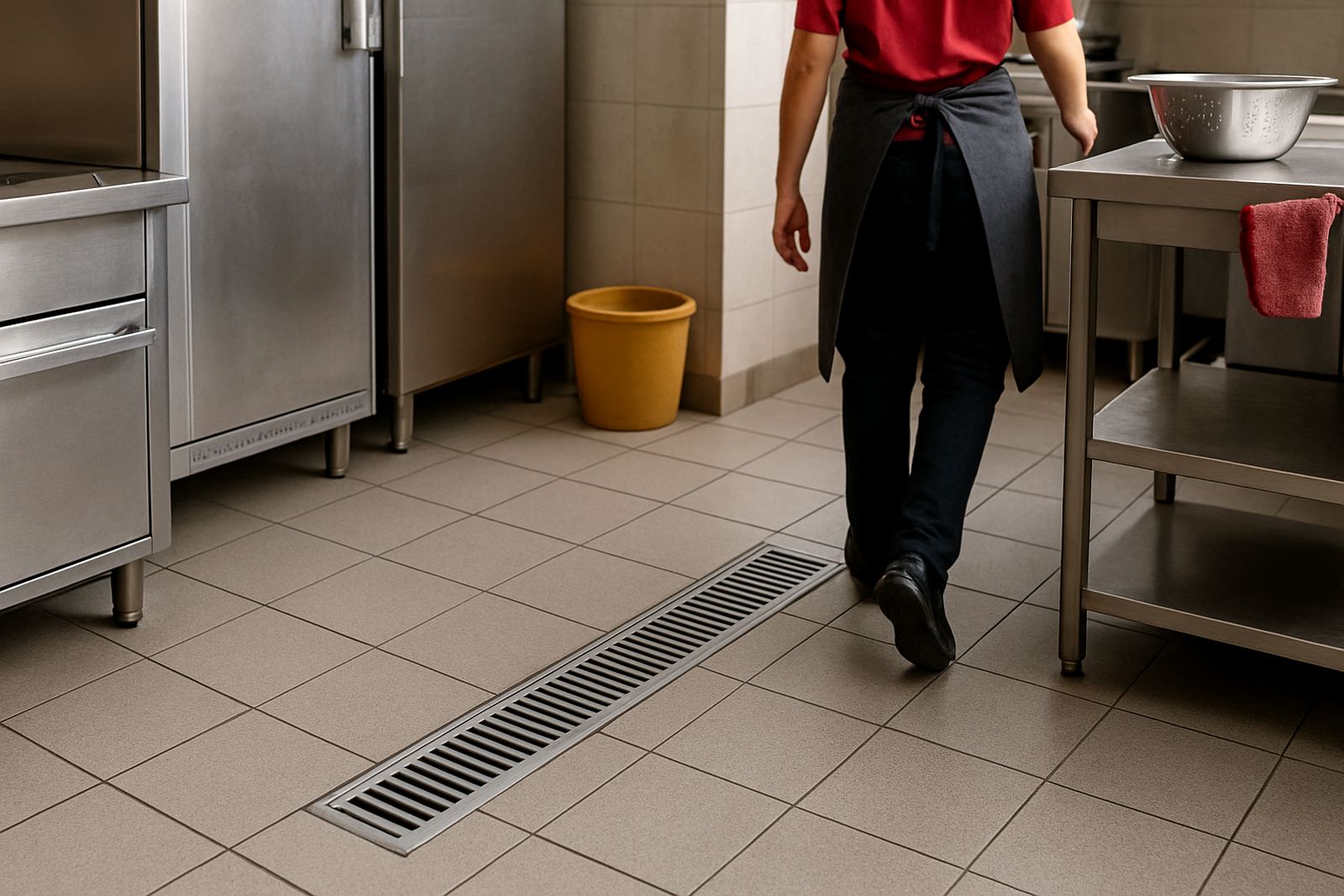
Kitchen Floor Drainage

Kitchen Floor Drainage

Why drainage planning affects cleaning speed, hygiene and working safety.

Power Planning

Power Planning

Electrical load planning basics for cooking, refrigeration and prep equipment.

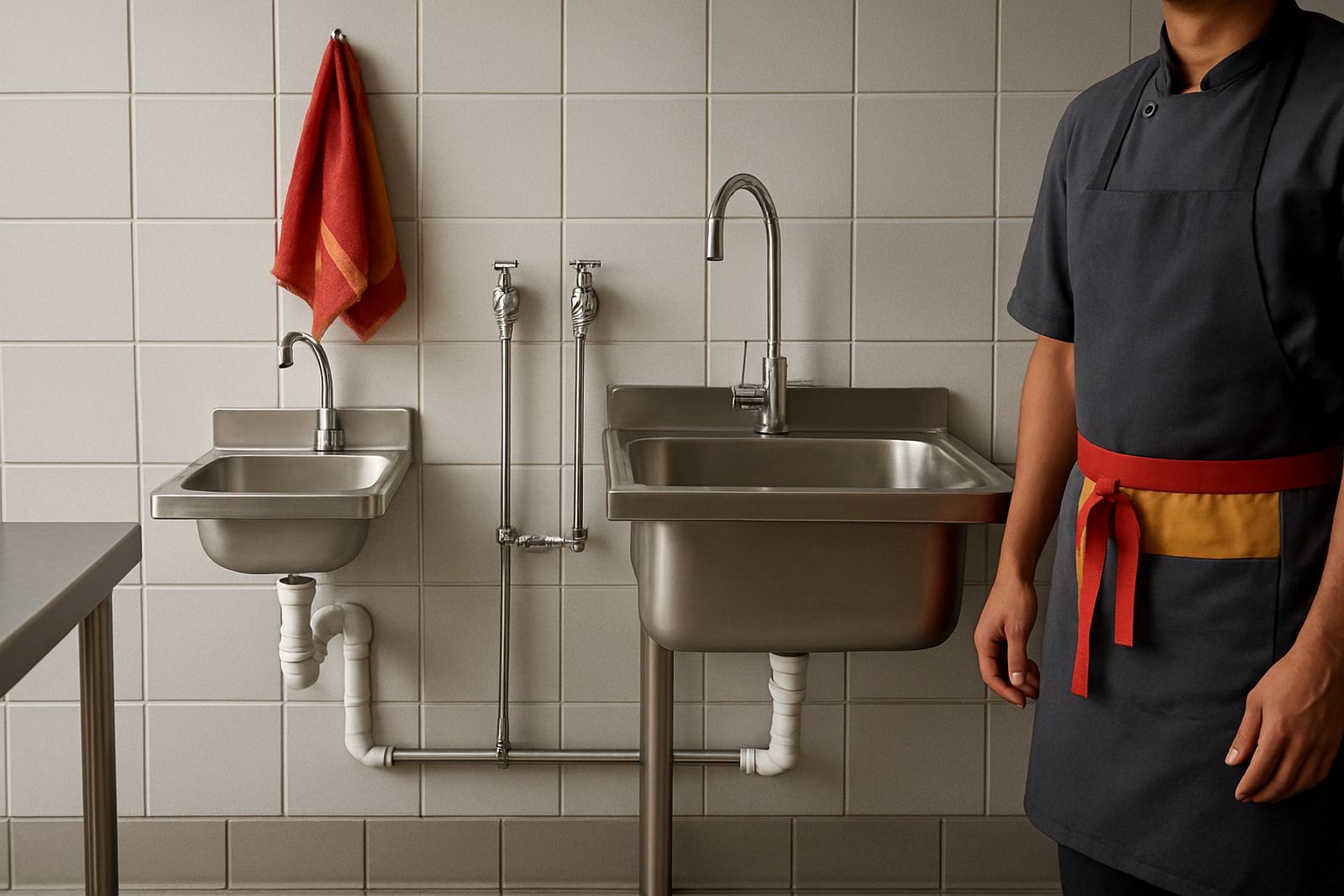
Water Point Planning

Water Point Planning

Where sinks, hand basins and utility points should sit for cleaner workflow.

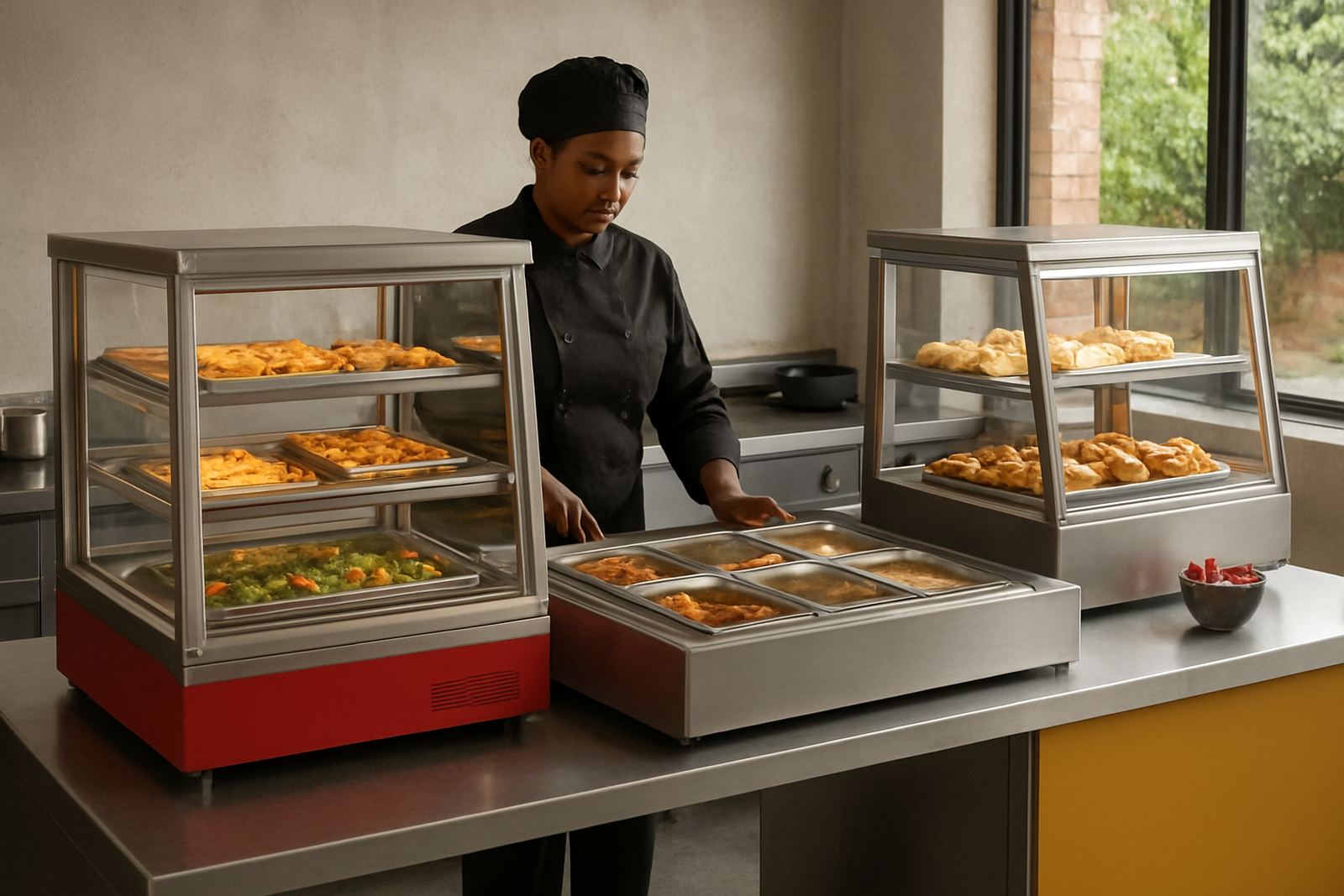
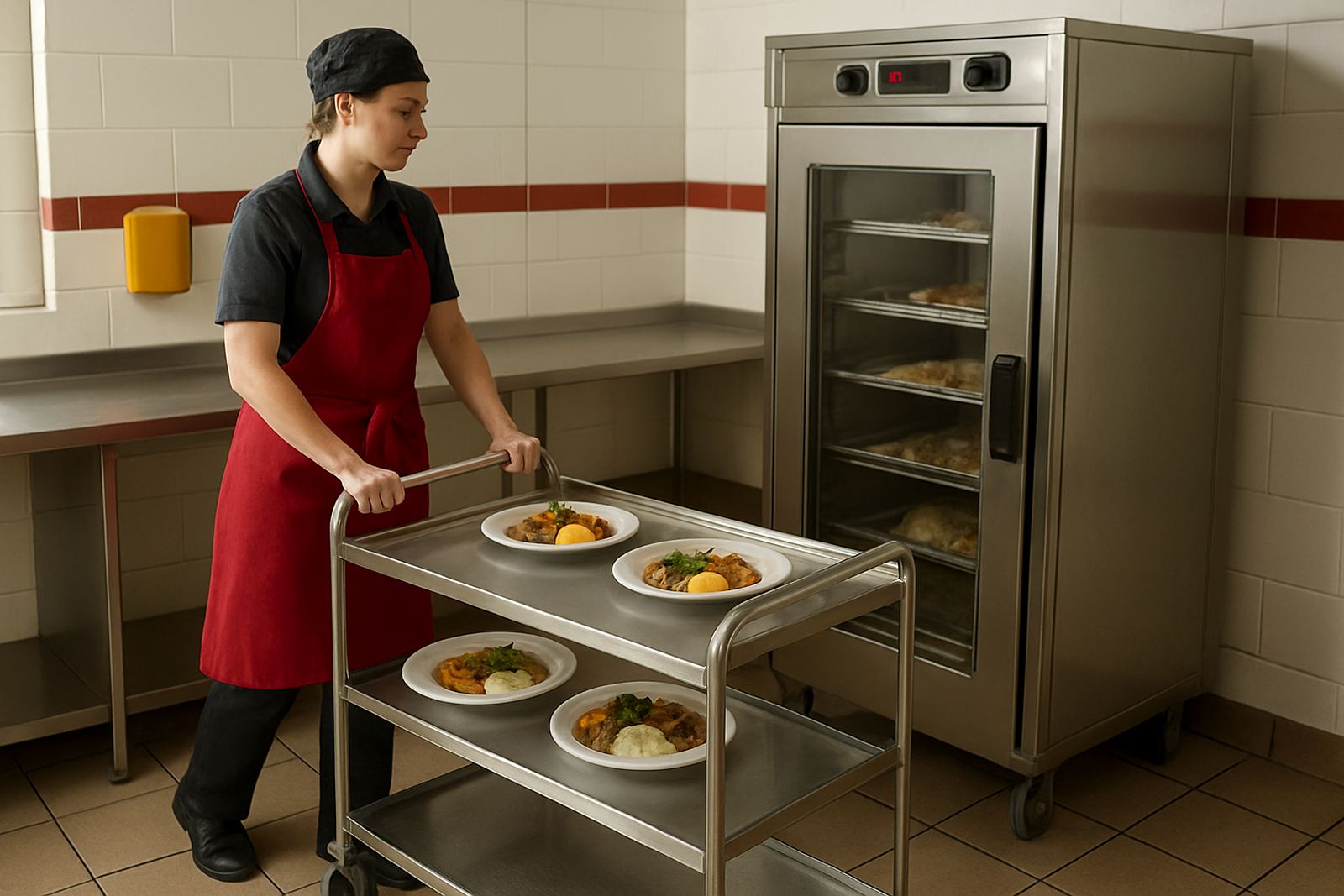
Food Holding Methods

Food Holding Methods

An overview of hot holding, chilled holding and pass-line timing.

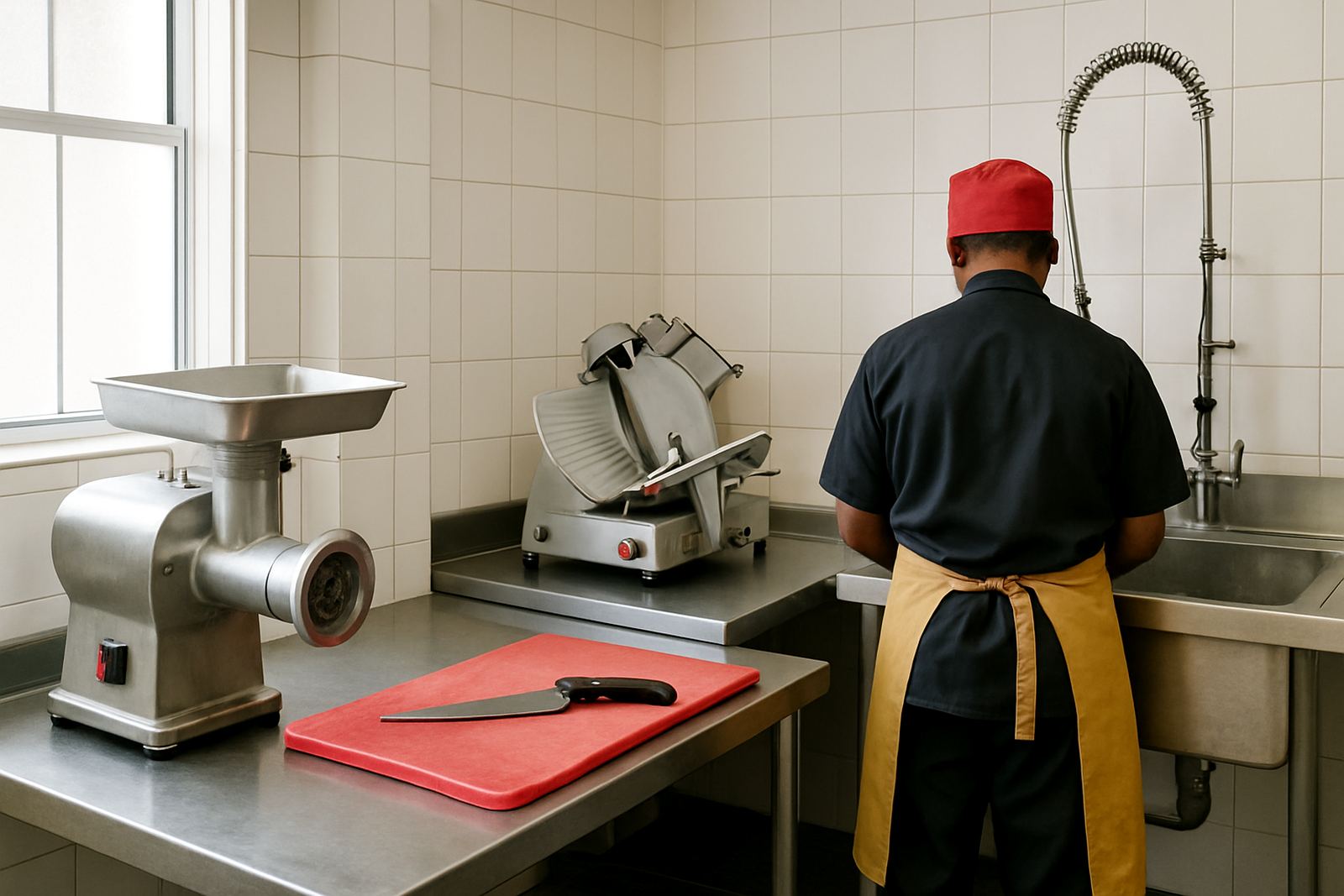
Meat Prep Room

Meat Prep Room

What separates a clean meat prep room from a general prep area.

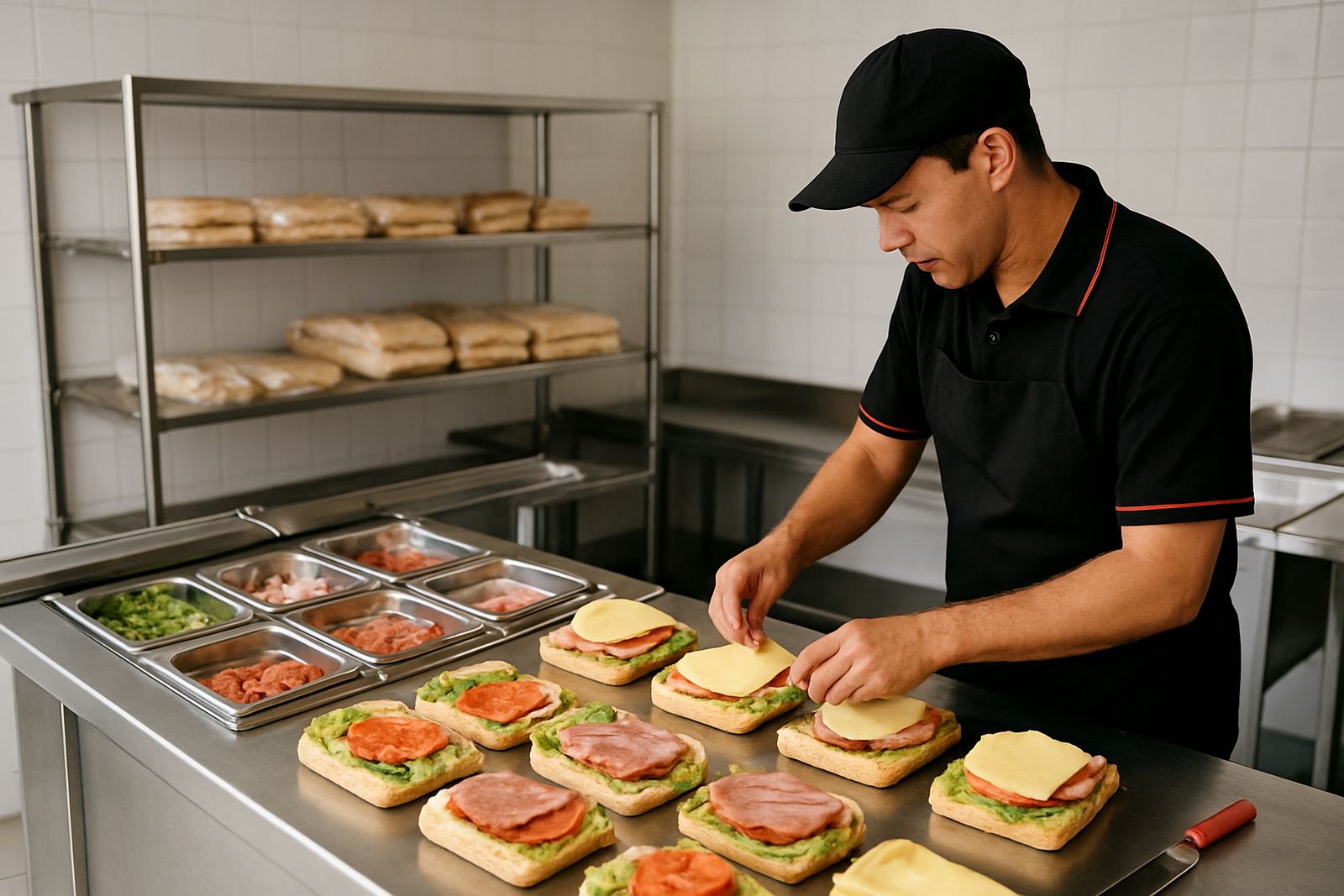
Sandwich Line Setup

Sandwich Line Setup

How saladette counters and prep benches support quick assembly service.

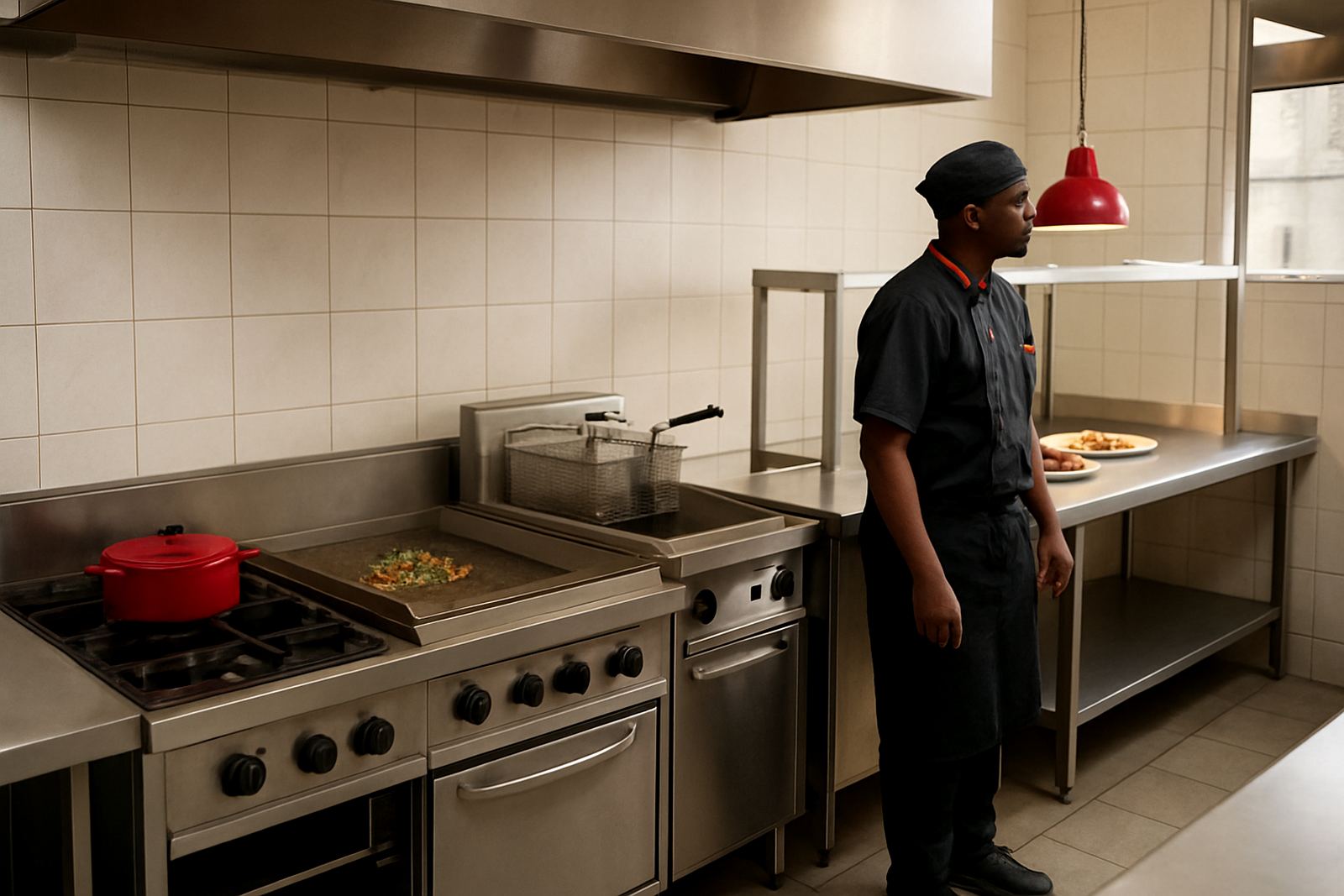
Hot Line Sequencing

Hot Line Sequencing

Ordering the cookline to reduce crossing paths and improve pace.

Stock Room Order

Stock Room Order

Storage zoning ideas for dry goods, smallwares and cleaning materials.

Care Home Meals

Care Home Meals

Kitchen planning factors for timed service and resident dietary consistency.

Servery Counter Heights

Servery Counter Heights

How counter dimensions affect comfort, speed and safe serving motion.

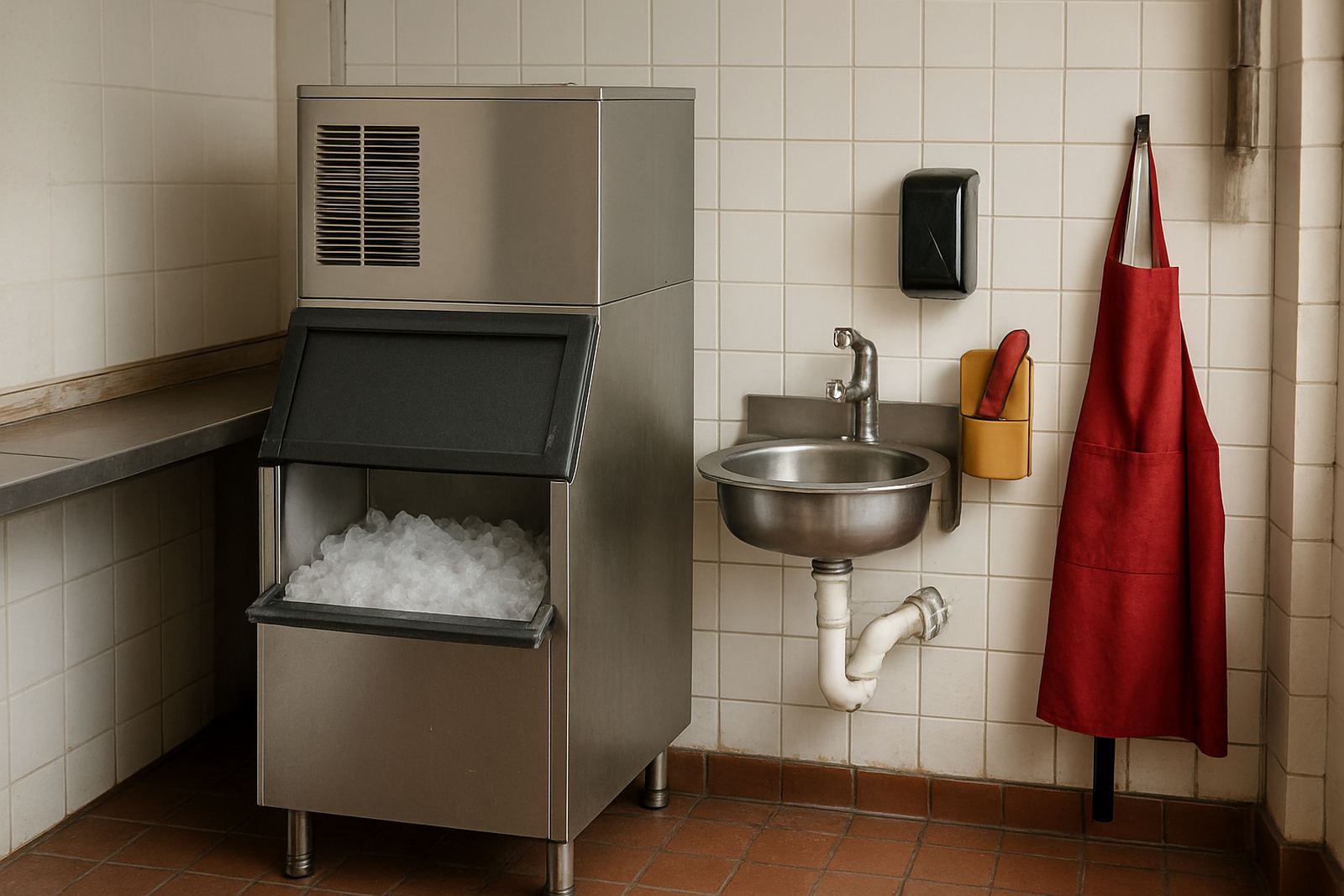
Ice Machine Placement

Ice Machine Placement

Best placement choices for hygiene, drainage and easy refill access.

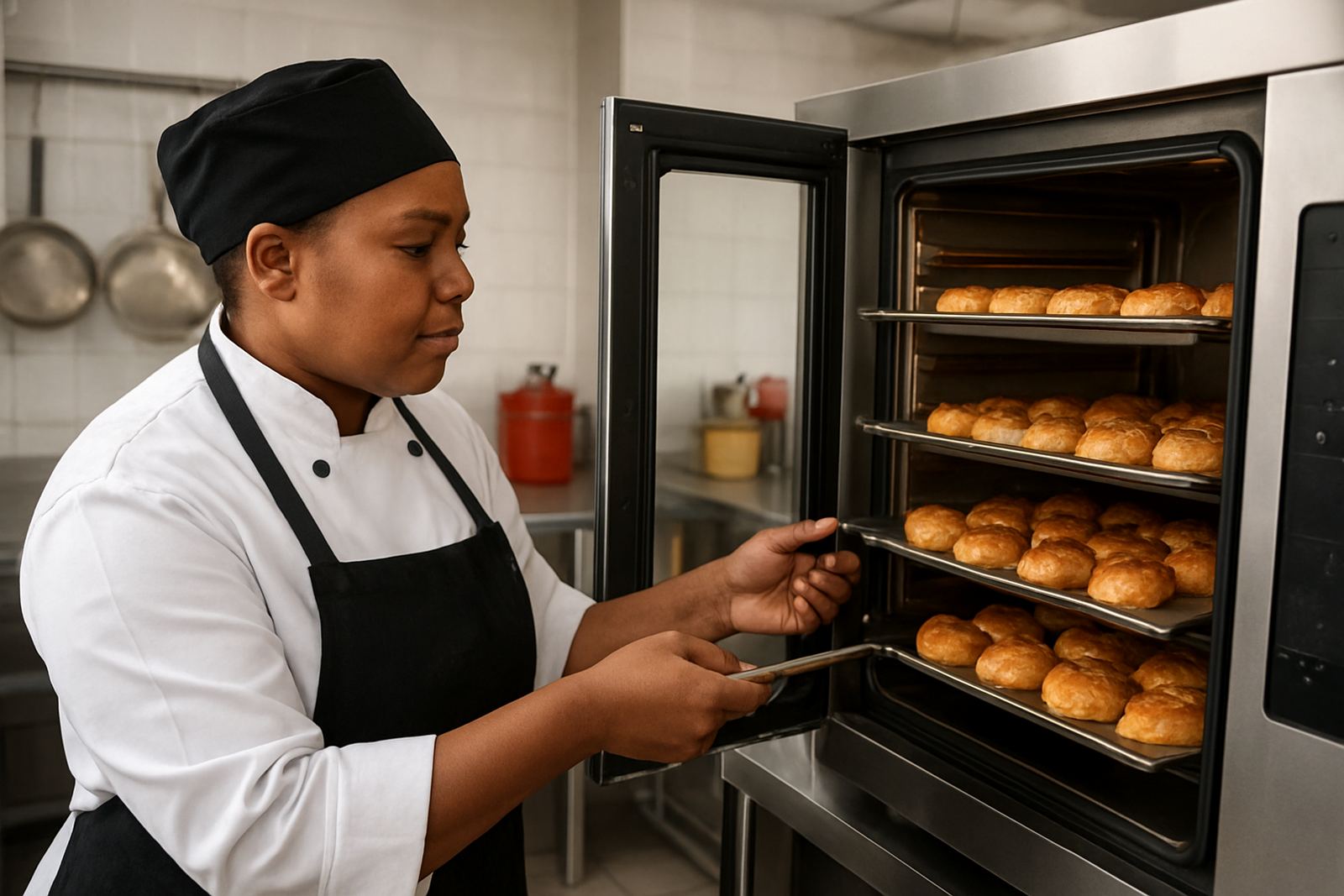
Oven Loading

Oven Loading

Tray spacing and loading habits that support even cooking results.

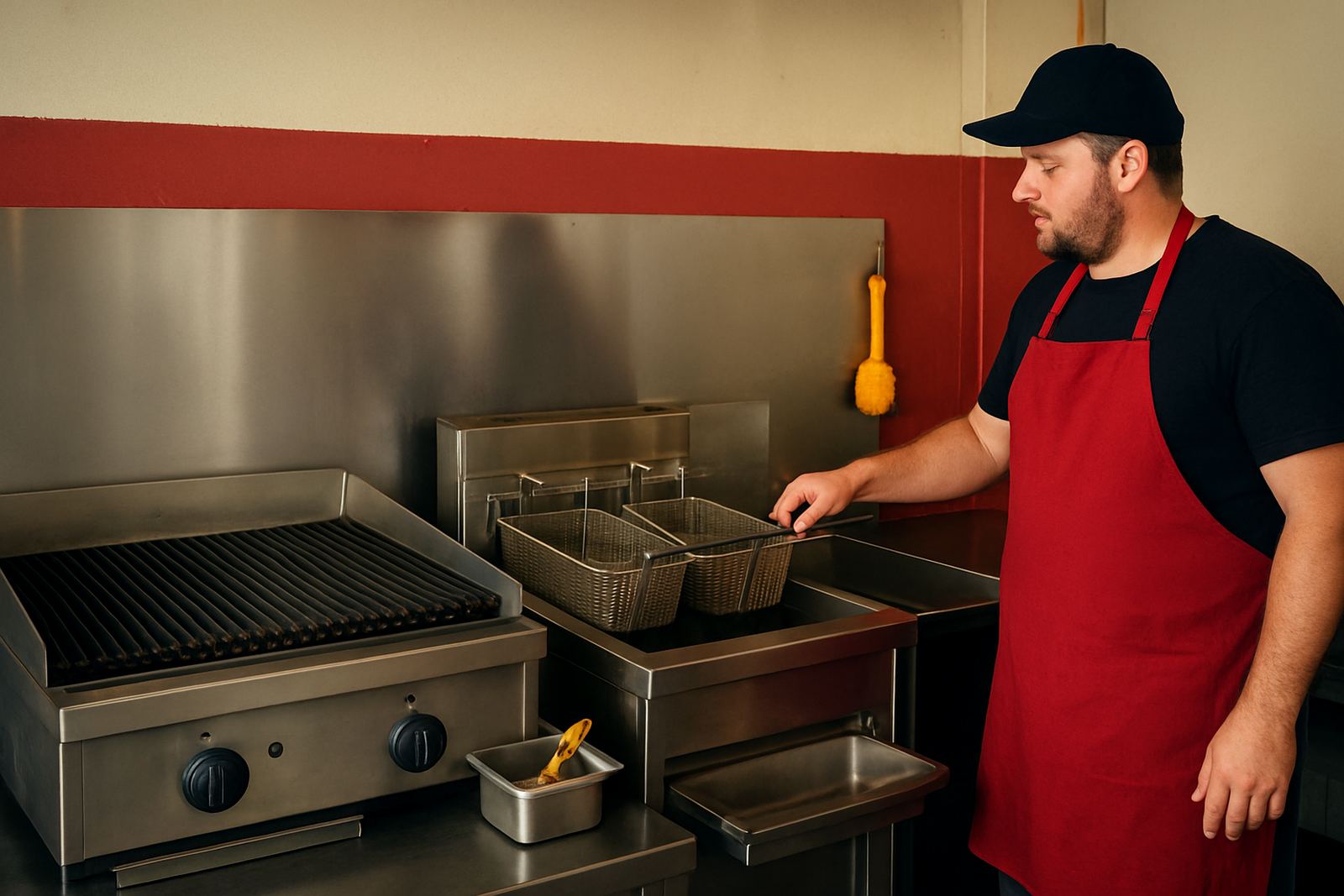
Grease Management

Grease Management

Grease control around fryers, grills and canopies for cleaner operations.

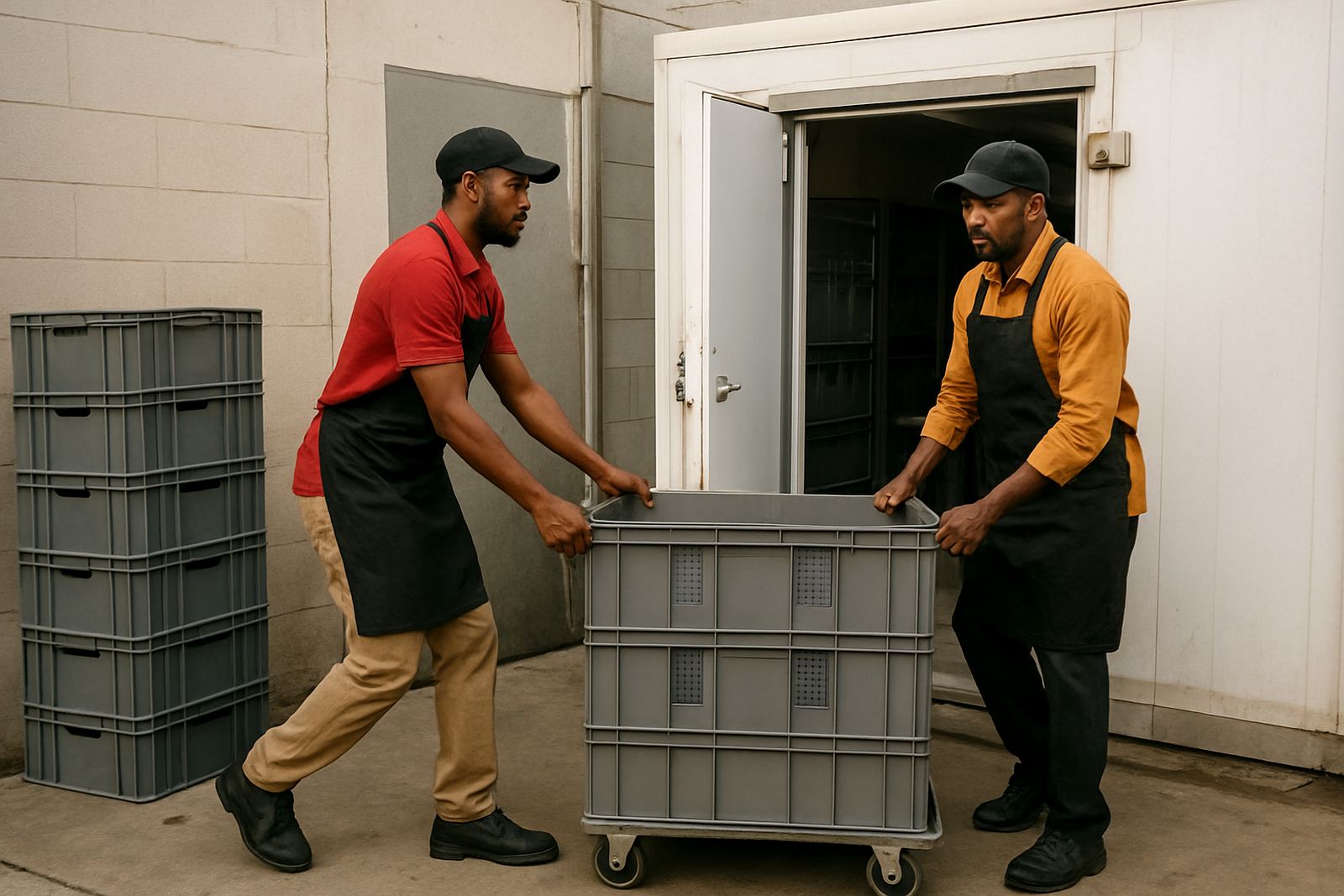
Cold Chain Basics

Cold Chain Basics

How receiving, storage and prep steps affect refrigeration performance.

Expansion Signs

Expansion Signs

Indicators that a kitchen has outgrown its original layout or equipment.

Scullery Workflow

Scullery Workflow

Separating dirty and clean paths to speed up wash-up performance.

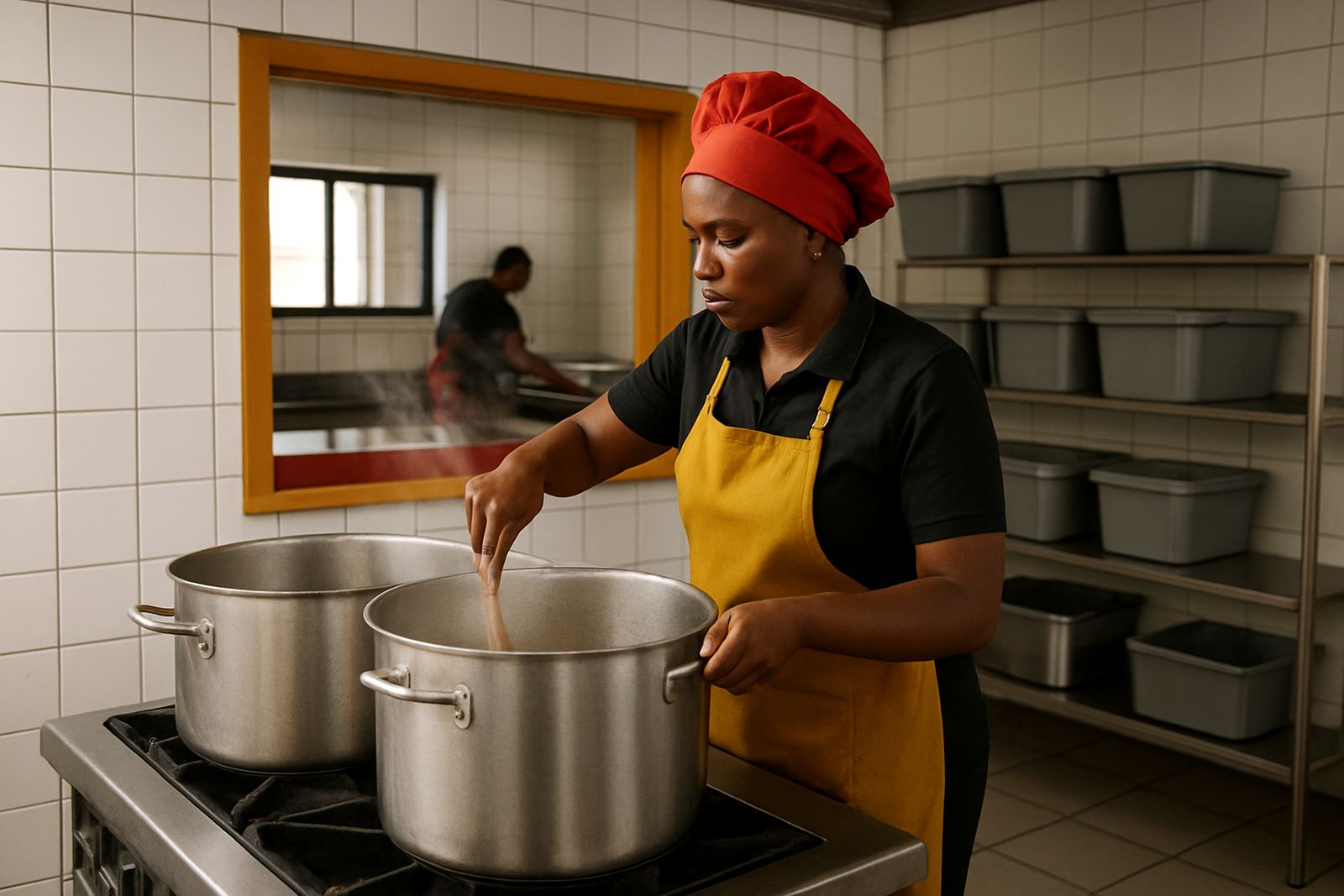
Bulk Cooking Tools

Bulk Cooking Tools

When large pans, kettles and holding units make sense for volume sites.

Morning Shift Startup

Morning Shift Startup

A simple kitchen opening routine for safer and more consistent production.

Closing Clean-Down

Closing Clean-Down

End-of-day tasks that protect equipment and help tomorrow start well.

Peak Planning

Peak Planning

How hospitality venues can prepare kitchens for sudden service surges.

Receiving Bay Needs

Receiving Bay Needs

Delivery access, staging and inspection points for efficient stock intake.

Freezer Room Safety

Freezer Room Safety

Basic safety considerations for cold exposure, access and stock handling.

Handover Checklist

Handover Checklist

What to confirm before a new commercial kitchen begins full operation.

What you will find in our Kitchen Journal

This journal covers the work that affects kitchens every day, from first layout ideas through to breakdowns, maintenance and staff training. The aim is simple: help you make better decisions before equipment is ordered, after it is installed, and when the kitchen is under pressure during peak service or load-shedding.

You will find articles that deal with food prep flow, cooking line set-up, storage, cold rooms, extractor planning, stainless work and the practical details that often get missed. If you manage a restaurant in Umhlanga, a canteen in Pinetown or a hospital kitchen in Pietermaritzburg, the same basics still apply, even if the scale changes.

How to use these articles when planning a kitchen

Start with the problem you need to solve. A new kitchen layout is not only about fitting equipment into a room, it is about moving food safely, keeping staff clear of each other, and making sure the service points are close enough to the work areas. In Durban and the wider coast, humidity and salt air also affect finish choices and maintenance cycles, so material selection matters.

  • Check the duty of each area: prep, cook, wash, storage and service.
  • Measure available space, door widths, drain points and ceiling heights.
  • Plan for extractor routes, grease management and municipal compliance.
  • Allow for power cuts and equipment recovery after load-shedding.

Good planning saves time on site and reduces costly changes later. A small adjustment at concept stage can prevent weeks of frustration once the kitchen is live.

Topics that matter for KwaZulu-Natal operators

The journal leans toward the practical issues local operators ask us about most often. That includes equipment selection for hot kitchens, refrigeration in warmer coastal towns, and the way staff movement affects hygiene and service speed. We also cover cases where municipal approvals, building rules or landlord conditions affect what can be installed.

  • Cooking and prep equipment for restaurants, hotels and takeaways
  • Food storage, cold rooms and refrigerated work spaces
  • Stainless fabrication for counters, sinks and shelving
  • Extractor planning for heavy cooking and reduced heat build-up

Because our work spans Glen Anil, Durban North, Ballito, Pinetown and beyond, the articles are written for real kitchens that need to keep working, not showroom spaces that only look good in photographs.

Choosing the right article for your role

Owners often need the commercial view first: cost, lifespan and return on spend. Managers want practical operation, cleaning and staffing implications. Chefs usually focus on workflow, heat, reach and line speed. Facilities teams need access, maintenance and safety details. Our journal tries to speak to all of these without overcomplicating the subject.

If you are not sure where to start, look for articles that match the stage you are in. A new build needs layout and equipment specification. An operating kitchen may need maintenance planning, breakdown advice or replacement guidance. If you are dealing with a tight schedule, choose the article that addresses the immediate bottleneck first, then work outward from there.

Maintenance, repairs and the cost of small delays

Commercial kitchens rarely fail all at once. More often, one fan runs poorly, a door seal weakens, or a prep area becomes awkward and slows the team down. Our journal includes practical notes on preventive maintenance and breakdown repairs because those small issues can turn into service delays very quickly.

In a busy kitchen, a missed service check can mean wasted stock, uneven temperatures or extra labour. That is why we include guidance on cleaning access, parts wear, daily checks and when to call in a technician rather than pushing equipment past its limits. It is the kind of information that helps a team stay ahead of trouble, not chase it after the fact.

Using the journal alongside our project services

The articles stand on their own, but they also support the work we do on site. When a client asks for kitchen layouts, equipment specification, extractor planning or stainless fabrication, the journal gives useful background for the decisions that follow. It can also help staff understand why a certain layout or item was chosen.

  • Kitchen Layouts
  • Equipment Specification
  • Site Surveys
  • Extractor Planning
  • Stainless Fabrication
  • Equipment Installation and Commissioning
  • Preventive Maintenance and Breakdown Repairs
  • Staff Training

If you need help turning an article into a working plan, our Glen Anil team can assist across Durban, Umhlanga, Pinetown, Ballito and Pietermaritzburg.

Questions we get asked

Who is the Kitchen Journal written for?

It is written for restaurant owners, kitchen managers, chefs, hospital teams and facility staff who need practical advice on commercial kitchen planning and operation in KwaZulu-Natal.

What topics does the journal cover?

It covers kitchen layouts, equipment choice, refrigeration, prep flow, extractor planning, stainless fabrication, maintenance, breakdown repairs and staff training.

Can the journal help before we start a project?

Yes. It is useful at the planning stage, during installation, and later when you need maintenance guidance or a better way to run the kitchen day to day.

Planning something? Send the team a message.

Contact form