

1. Start with the room, not the equipment
The first handover check is often the simplest, yet it gets missed when everyone is eager to switch on the equipment. Confirm that the kitchen space matches the approved layout, with enough clear working space around cooking lines, cold rooms, prep tables and wash-up areas. Door swings, service access and trolley movement matter just as much as the equipment list.
In Durban and along the coast, it is also worth checking where humidity may affect storage, floor finishes and stainless fittings. If a room was built for a restaurant in Umhlanga or a canteen in Pinetown, the same layout can behave differently once deliveries, staff flow and cleaning routines begin. Make sure the site matches the final drawings, not just the intentions from the build stage.
- Verify equipment positions against the final layout drawing
- Check clearances for opening doors, cleaning and maintenance access
- Confirm floor falls, drainage points and wash-up areas
- Make sure storage, prep and cooking zones are separated properly
2. Test the services before first use
Power, water, drainage, gas and extraction all need a proper check before opening day. One loose connection or undersized service can hold back the whole operation. In KwaZulu-Natal, where load-shedding can still affect trading plans, backup arrangements should also be reviewed. The kitchen team must know what happens when power drops, how equipment restarts and which items need a manual reset.
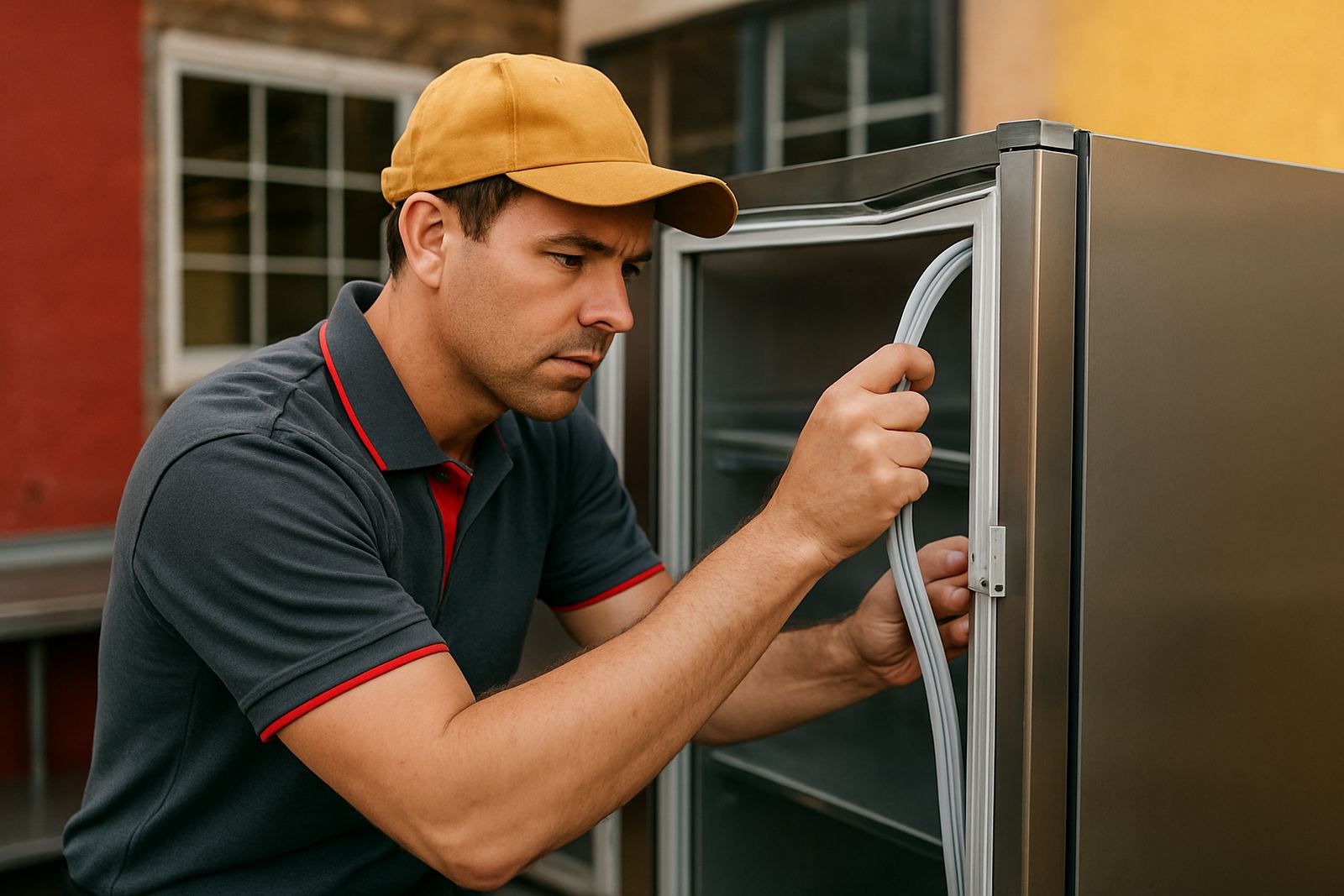
Extractor systems deserve special attention. Poor airflow leads to heat build-up, smoke, odours and unhappy staff, and it can create issues with municipal inspections too. For gas installations, confirm that shut-off valves are visible and labelled. For cold rooms and refrigeration, check that temperature recovery is within the expected range after doors are opened repeatedly during service.
- Test all electrical points under load
- Confirm water pressure, drainage and floor trap function
- Check extractor fans, filters and make-up air flow
- Test gas isolation points and leak checks where applicable
- Review backup power and restart steps after outages
3. Get the equipment list matched to the menu
A kitchen can be fully fitted and still be wrong for the menu. Before handover, compare the installed equipment with the actual production needs. A hospital feeding plan is not the same as a restaurant breakfast service, and a school canteen has different peak times from a hotel banqueting kitchen. The handover must confirm that each unit is in the right place and sized for the workload.
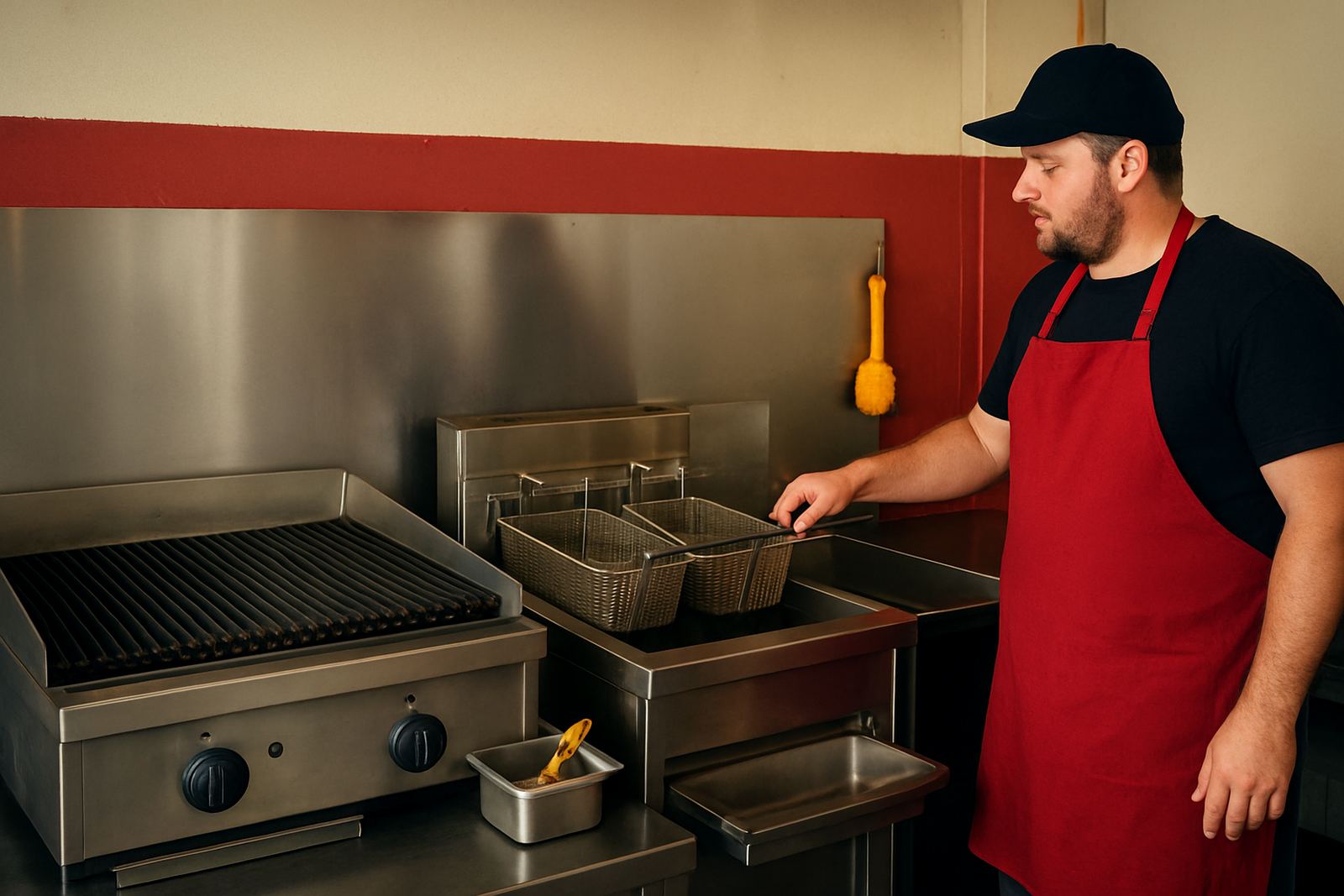
Check that the staff understand which equipment is for light use, which units must run continuously, and which items need warm-up time before service starts. This is also the stage to confirm accessories, shelves, trays, baskets, thermometers and spare parts. Missing small items often causes the biggest delays on day one.
- Confirm each item against the approved equipment schedule
- Check that refrigeration set-points match storage needs
- Verify that hot equipment suits the service volume
- List all loose components, racks, probes and accessories
4. Train the team on how the kitchen really runs
Handing over a kitchen is not only about equipment, it is about people. The operators should know the start-up sequence, safe shut-down steps, cleaning method and daily checks. If the team changes between the build phase and opening, the new staff may never have seen the equipment being commissioned. That gap can lead to costly mistakes in the first week.
Training should be practical and done on site, with the actual team who will work there. Keep it short, specific and tied to the real service pattern. For example, the prep team should know how long the cold room takes to recover after deliveries, and the chefs should know which burners or ovens must not be left unattended during peak service. It sounds basic, but it saves equipment and avoids injury.
- Explain daily start-up and shut-down steps
- Show cleaning methods for stainless steel and cooking surfaces
- Demonstrate temperature checks and log book entries
- Cover safe use of knives, hot surfaces and moving parts
- Nominate who to call for faults, spills or outages
5. Do the compliance checks before opening
Before a commercial kitchen starts full operation, paperwork must be in order as well as the equipment. Depending on the site, this may include fire safety requirements, gas compliance, electrical certificates, extractor checks and municipal or landlord sign-off. In a busy project, people sometimes assume these items will be sorted later. That is a mistake, because later often arrives on opening day.
Keep the handover file in one place with manuals, warranty notes, service contacts and the final list of installed items. If the kitchen is part of a larger facility in Durban North, Ballito or Pietermaritzburg, the facilities manager should have the same file on hand. When inspectors ask questions, or a fault appears after trading starts, you need the records immediately, not after a long search through emails.
- Collect certificates, manuals and commissioning notes
- Confirm fire and gas requirements are signed off
- File warranty details and service contact numbers
- Keep the final equipment schedule with serial references
6. Walk the site at service pace, not just at inspection pace
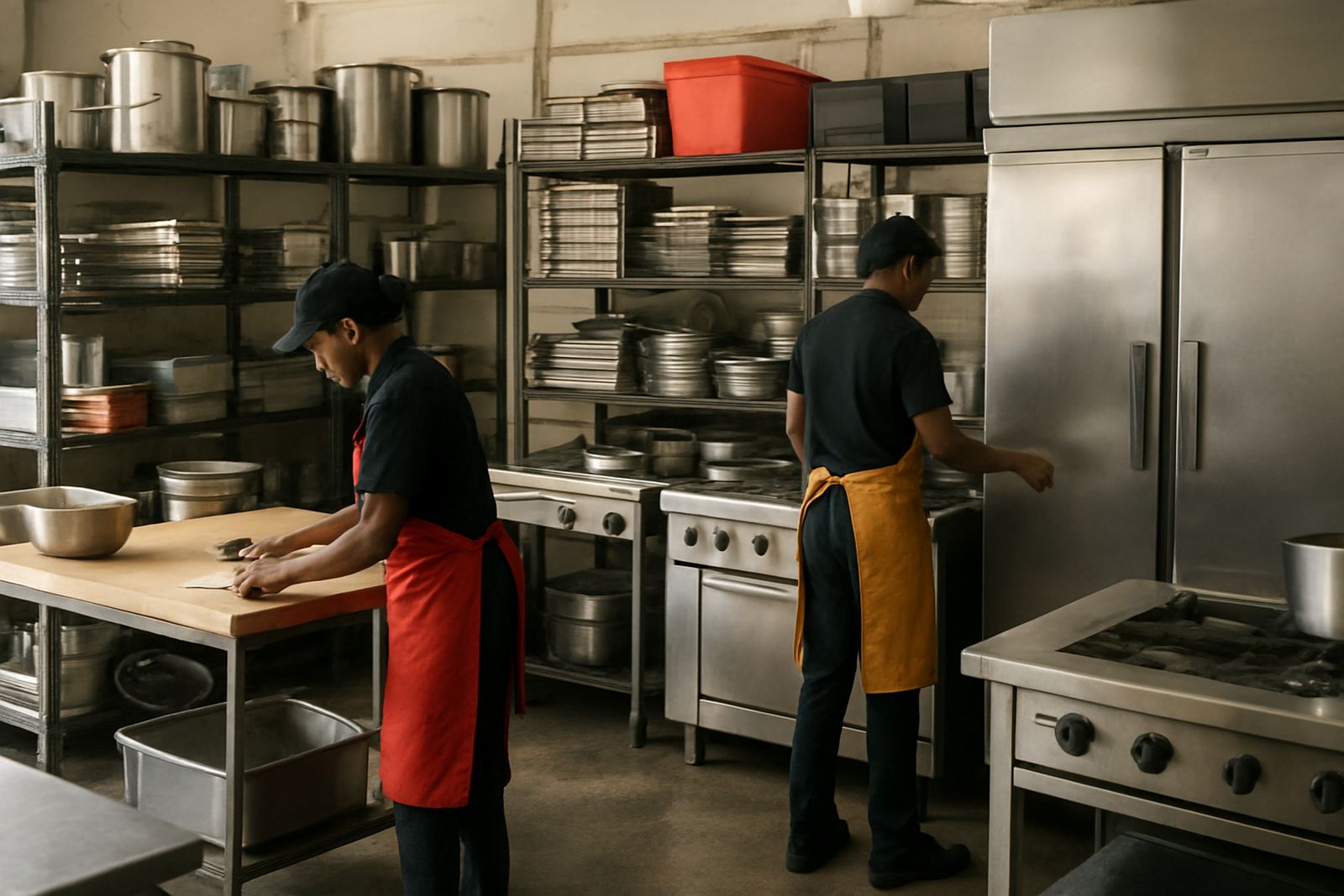
A kitchen can look perfect during a quiet inspection and still fail under pressure once service begins. The final handover should include a walk-through at real working pace. Move from receiving to storage, from prep to cooking, and from plating to wash-up. Look for bottlenecks, slippery spots, doors that swing into traffic, and counters that are too far from the machines they support.
A good local example is a canteen opening near Glen Anil, where deliveries arrive early and the lunch rush is short and heavy. If the dry store is too far from the prep line, or if the dishwasher area blocks the clean plate route, staff lose minutes on every turn. Those minutes add up quickly and the kitchen feels under pressure before the first month is over.
At handover, the team should be able to answer four simple questions without guessing: where do goods go, where does waste leave, how does cooked food move, and who takes over when something fails?