
Why the door seal matters more than most staff think
In a busy kitchen, the refrigeration door gets opened hundreds of times a day. Every time it closes, the seal has to pull the cabinet tight and stop warm, humid air from getting in. If that seal is damaged, dirty or loose, the unit runs longer, temperatures rise and the compressor works harder than it should.
In Durban and along the North Coast, moisture in the air makes this worse. A fridge in Glen Anil or Umhlanga may look fine on the outside, but a small tear in the gasket can let in enough damp air to build frost and affect temperature recovery. Over time, that can mean spoiled produce, soft frozen items and higher electricity use. We see this often in bakeries, canteens and hospital kitchens where doors are opened fast and often.
What to check on a cold room or fridge door
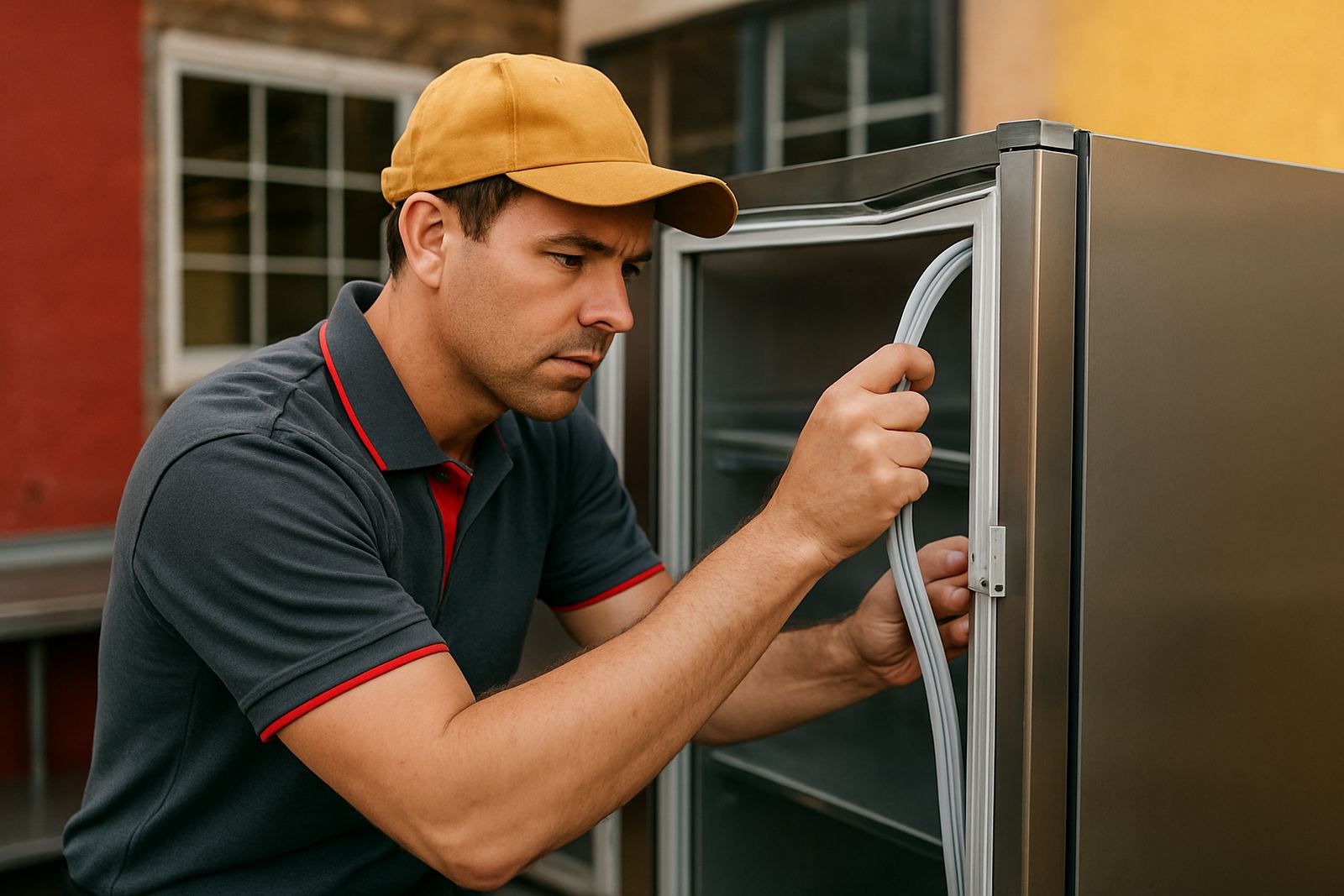
A quick visual check takes less than a minute. Train kitchen staff to look at the seal every day, especially before the first service and after cleaning. If the door is not closing flush, or if you can feel cold air escaping at the edge, the seal may need cleaning, adjustment or replacement.
- Look for splits, hard spots or flattened sections in the rubber seal.
- Check for food scraps, grease or sugar build-up in the door channel.
- Make sure hinges are not loose and the door hangs square.
- Confirm the latch or magnetic pull closes fully, not almost closed.
- Check for condensation around the frame, which often shows an air leak.
Small faults are easy to ignore until the unit starts icing up or the temperature climbs during a power cut or load-shedding recovery. By then the damage can already be done.
Cleaning habits that protect the gasket
Door seals do not need harsh chemicals. In fact, strong cleaners and rough cloths can dry the rubber out and shorten its life. Use warm water with a mild food-safe cleaner, then wipe the seal dry so no moisture sits in the folds. If the gasket has grooves, open them gently with a soft cloth to remove hidden dirt.
It also helps to clean the door frame and the floor area beneath the unit. Dirt on the sill can stop the door from sitting properly. In a stainless steel kitchen with busy traffic, sand and grit are often dragged in from outside and end up around the fridge base, especially in coastal towns where doors stay open for deliveries. A clean seal closes better, and it lasts longer too.
- Wipe seals at the end of each shift.
- Use a soft cloth, not scouring pads.
- Dry the seal fully after cleaning.
- Keep sugar syrup, sauces and salt away from the gasket line.
Staff habits that help the fridge hold temperature
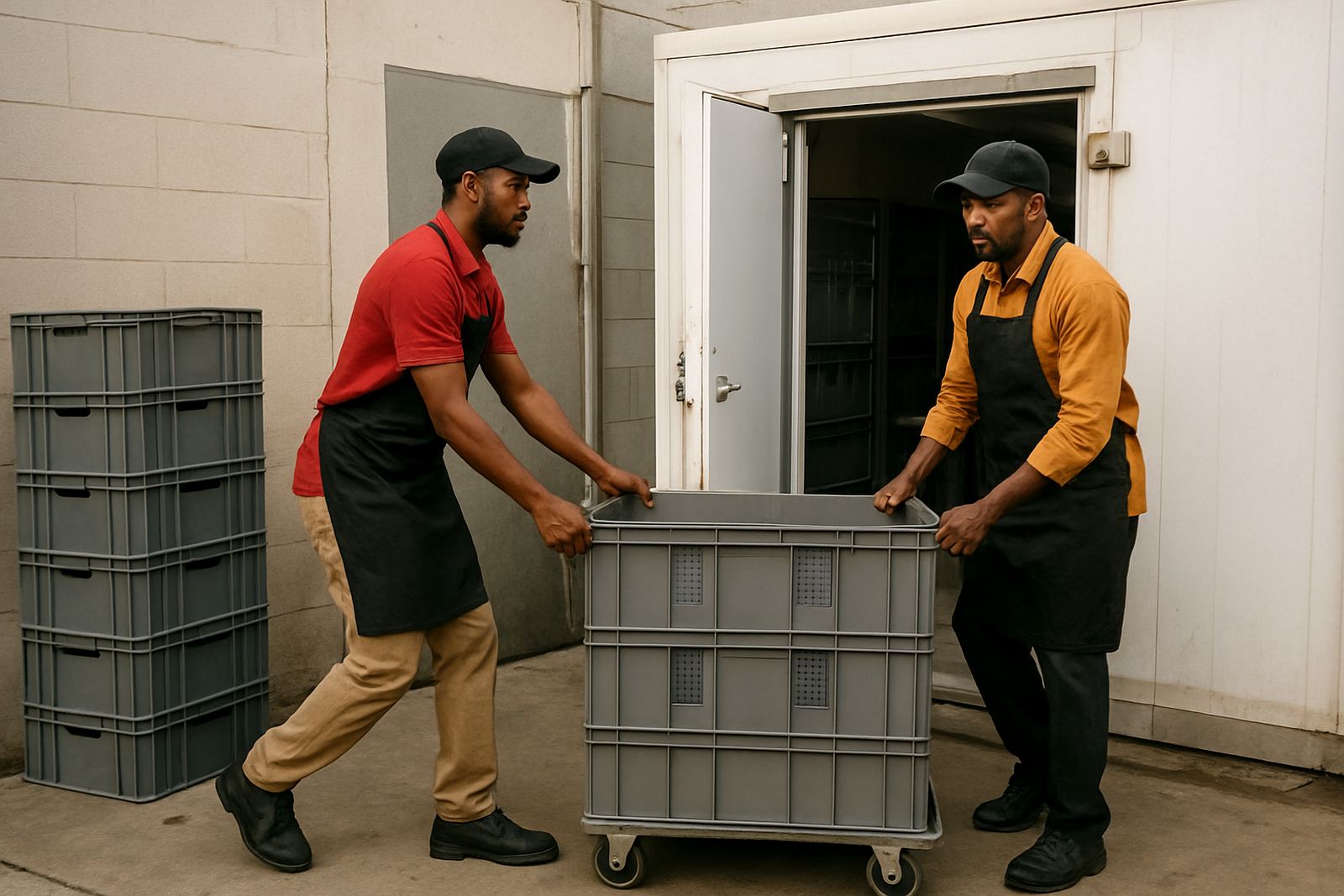
Good refrigeration care is not only a maintenance job. It also depends on how the team uses the door. A fridge can be in excellent condition and still struggle if staff stand with it open while looking for stock. One long open-and-close cycle can let in a lot of warm air, and in a hot Durban afternoon that adds up fast.
Set simple habits for the whole team. Group items before opening the door, keep frequently used stock at easy reach and avoid propping the door open during receiving or prep. If a unit is busy all day, separate it for drinks, dairy or prep items so the kitchen is not opening one cabinet for everything. That reduces wear on the seal and gives the equipment a fair chance to recover between uses.
Signs the door needs repair, not just cleaning
Some problems are beyond routine care. If the seal feels brittle, if the door drops when opened, or if frost keeps returning on the same corner, there is likely a mechanical issue. The hinge may need adjustment, the gasket may no longer match the frame, or the cabinet may be standing unevenly on the floor.
Watch for these warning signs:
- Temperature swings even when the unit is not overloaded.
- Water pooling at the front or inside the cabinet.
- A door that bounces open after closing.
- Unusual compressor running time.
- Visible cracks in the rubber or a seal that has gone hard.
For kitchens in Pinetown, Ballito or Pietermaritzburg, where stock turnover can be high and service pressure is constant, delaying repairs usually costs more than fixing the fault early. A small hinge or seal job is far cheaper than replacing spoiled food and chasing down temperature complaints.
A Durban example from day-to-day kitchen work
At a busy canteen in Durban North, the cold room door was closing properly by eye, but staff had started noticing ice build-up near the top edge and a slight rise in temperature after lunch service. The issue turned out to be a worn seal with one flattened section near the handle side. It looked minor, but the gap was enough to pull in warm air every time the door shut.
After the seal was changed and the team was shown how to wipe the gasket daily, the unit recovered faster and stopped running flat out through the afternoon. That kind of fix is common. Most refrigeration problems do not start with the compressor, they start at the door. A little attention to the seal can save a lot of hassle later, and it keeps the kitchen moving when the power is already under pressure.
A simple door care routine to keep on the wall
Keep the routine short enough that the team will actually follow it. If you build it into closing time and the first stock check, it becomes part of normal kitchen work rather than another task to chase.
- Check seals for tears, dirt and stiffness every day.
- Wipe and dry gaskets after cleaning.
- Make sure doors close square and latch properly.
- Do not overload shelves against the door frame.
- Call for service if frost, condensation or temperature drift keeps coming back.
Good refrigeration care is not complicated. It comes down to clean seals, correct use and early attention when the door stops doing its job. In a KwaZulu-Natal kitchen, that habit pays off in steadier temperatures, less waste and fewer breakdowns at the wrong time.