
Planning around resident meal times, not just kitchen convenience
A care home kitchen has to support fixed meal windows, special diets and staff handovers without slowing down. If breakfast starts at 07:00, porridge, eggs, toast and tea must be ready at the same time every day, even when power dips, water pressure changes or a supplier runs late.
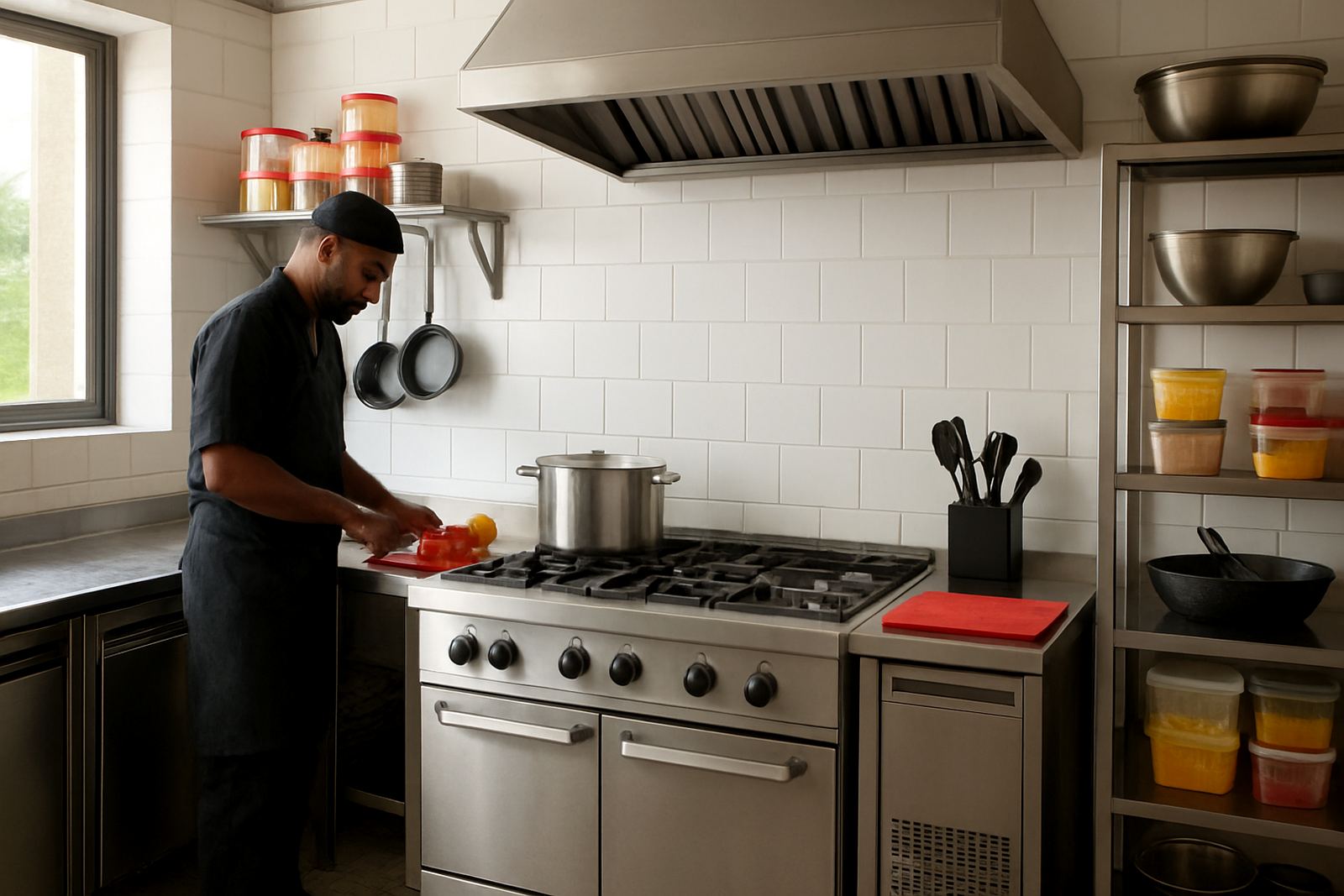
That is why layout matters from the start. Hot holding, cold storage, prep benches and wash-up areas should follow the way meals move through the building. A good plan keeps walking distances short and reduces the chance of mix-ups between normal meals, soft diets and diabetic portions.
In Durban and the North Coast, humidity also affects storage. Ingredients, plated food and paper goods need proper containment so they do not absorb moisture and spoil quicker than expected.
Building for consistent diets and portion control
Resident meals often need more than one diet type on the same service run. One plate may need low salt, another soft texture, and another a higher calorie portion. If the kitchen is not arranged for this, staff end up guessing, and guesswork causes complaints or unsafe serving.
Equipment should support clear segregation. Separate chilled storage for special items, labelled prep spaces and measured service tools all help keep consistency from one shift to the next. That is especially useful where a dietician or nursing team changes a resident’s menu at short notice.
- Use clear shelving zones for standard, soft and medical diets
- Keep portion spoons, ladles and trays marked by serving size
- Place allergen ingredients away from general prep areas
- Allow a small holding zone for late tray adjustments before service
The equipment that helps meals go out on time
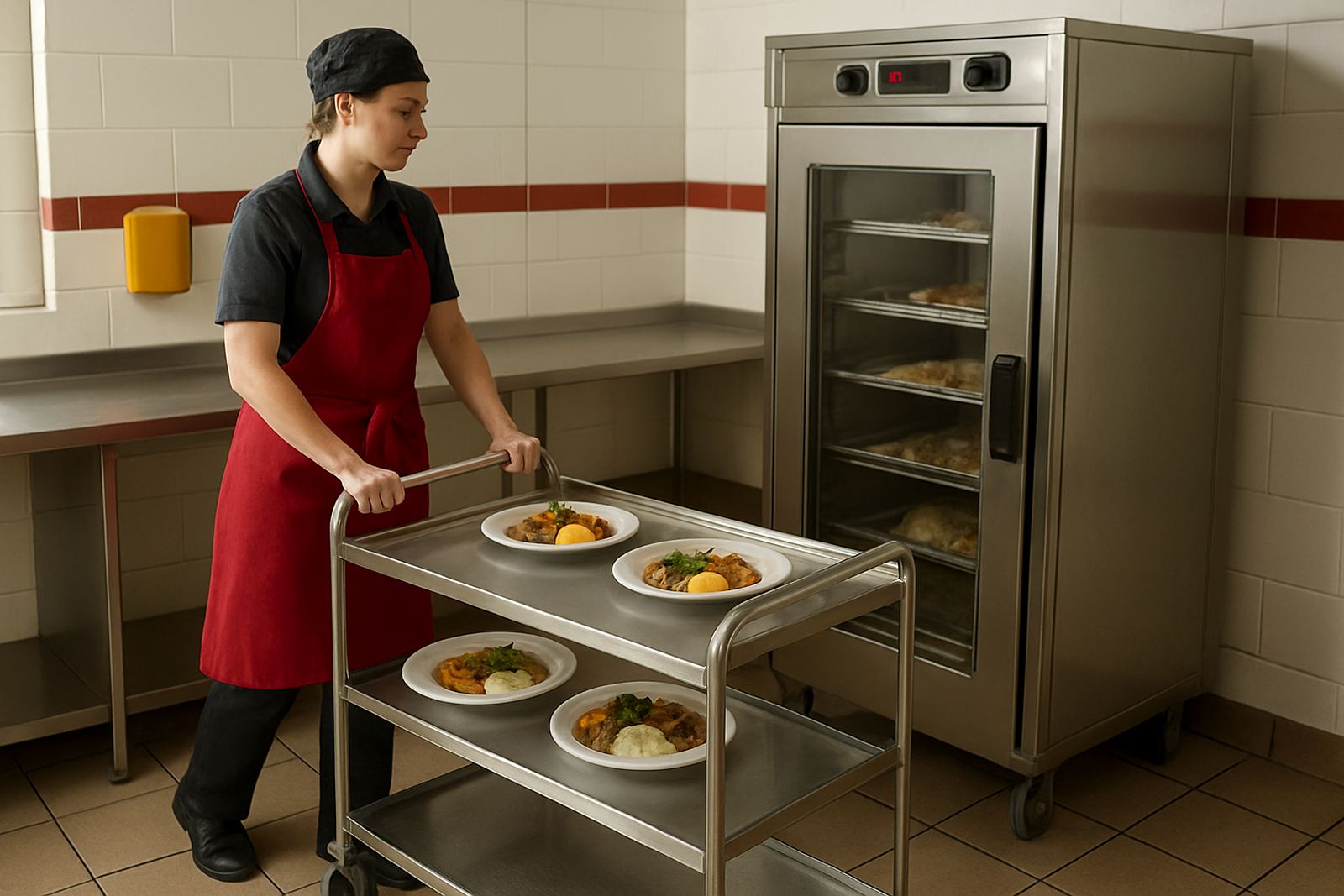
Timed service depends on equipment that heats, chills and holds food at the right point without constant babysitting. In a care home, a reliable cooker line, hot cupboards, refrigerated prep storage and holding units can save the team from rushes at peak times.
Planning should also account for load-shedding and electrical limits. If the site uses backup power, the kitchen must know which items are essential during an outage. A well planned menu run can keep basics moving, even if non essential equipment is switched off.
- Choose hot holding equipment sized for the actual head count, not an estimate
- Allow enough fridge space for dairy, fresh vegetables and prepared sauces
- Place prep equipment near the cooking line to reduce cross traffic
- Keep a manual fallback process for service if one item goes down
What a Durban care home should ask before fitting out a kitchen
Every care home has different resident numbers, meal schedules and staffing patterns. A kitchen for 30 residents in Glen Anil will not need the same setup as a larger facility serving 120 people across breakfast, lunch, tea and supper.
Before any equipment is specified, the team should look at the menu cycle, storage turnover and cleaning routine. If residents need fresh soups and soft meals daily, then the prep area must allow fast batch cooking and quick cooling. If delivery access is tight, bulk storage and receiving space have to be planned carefully so staff are not carrying crates through the service line.
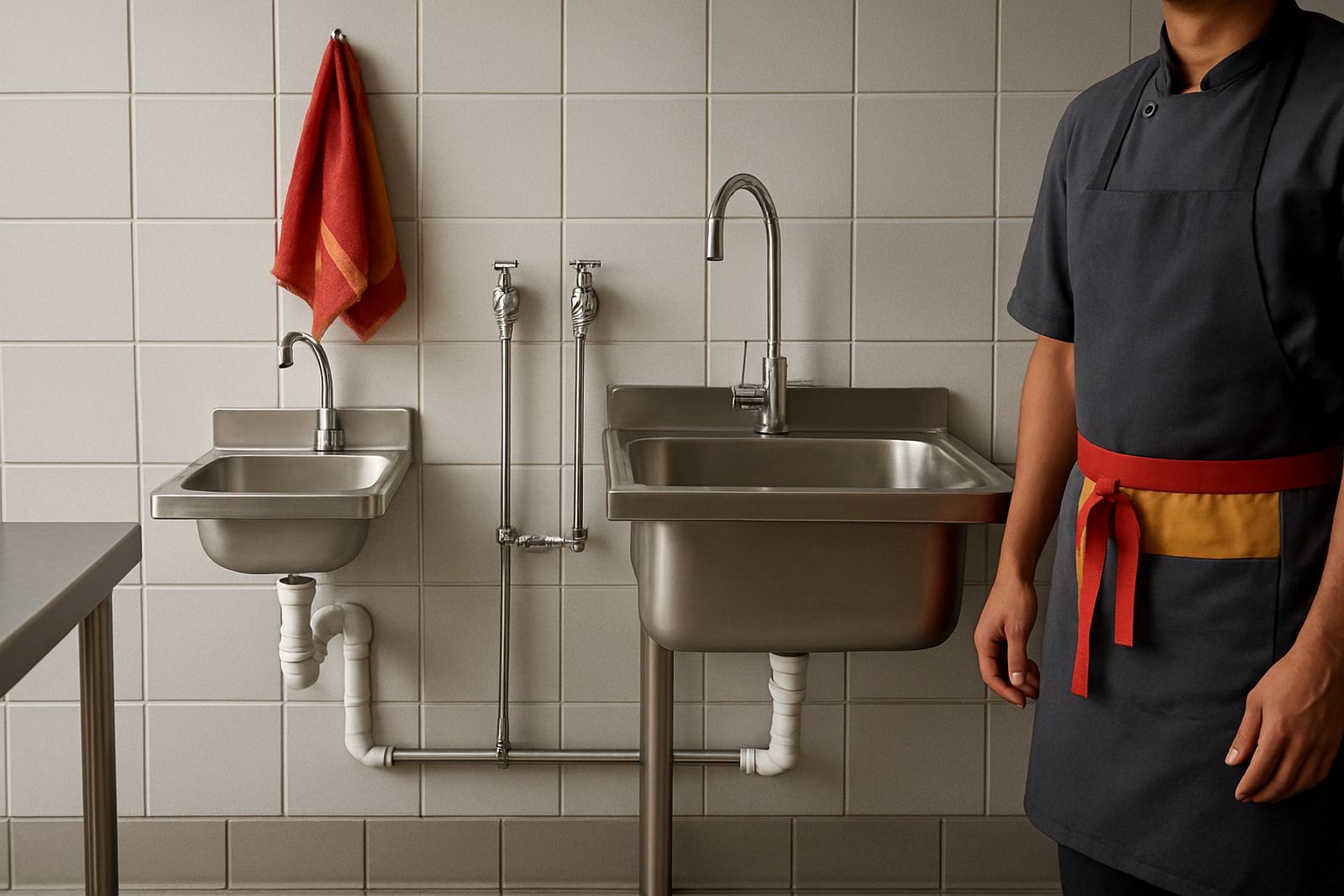
Municipal rules around grease, drainage and extractor discharge also matter. A kitchen that cannot clear steam and cooking vapour properly will struggle with hygiene and staff comfort, especially in warmer months.
Local example: a care home in Durban North
We often see care homes in Durban North and Umhlanga where the old kitchen was built for simple catering, not daily resident service. The common problem is that the cook line is sound, but the storage and tray finishing area is too small. That leads to congestion just before lunch, and the team has no space to check special diets properly.
In one typical local setup, the answer is to separate the raw prep side from the plated service side, add reliable cold storage close to the meal release point and install hot holding that matches the resident count. It sounds basic, but it makes the difference between a calm service and a stressful one.
Siyabonga Mkhize and Priya Naidoo often plan these spaces around actual movement, not just drawing room dimensions. The result is a kitchen that suits the staff rota and the resident meal pattern, instead of forcing both to work around awkward equipment placement.
Maintenance and training keep service steady
Even the best layout needs upkeep. Filters block, fridge seals wear, and heating elements lose efficiency over time. In a care home, a small fault can show up quickly as a late lunch or a cold supper, so preventive maintenance should be part of the operating routine.
Staff training is just as important. New kitchen staff need to know where diet trays go, how to label batch food and what to do if a holding cabinet reads outside range. When the team is trained properly, service stays steady and food waste drops.
- Schedule routine checks on refrigeration, hot holding and extractor systems
- Keep spare seals, bulbs and common wear parts on hand
- Train staff on tray labelling, safe reheating and cleaning steps
- Log breakdowns early so small faults do not become full service stoppages
Why the right kitchen plan supports better care
Good care home meals are about more than recipe choice. They depend on a kitchen that can serve at the same time every day, keep diets separate and hold food safely through the rush before a service run. When the layout is right, carers and kitchen staff spend less time fighting equipment and more time looking after residents.
At KZN Catering Equipment in Glen Anil, Durban, we design and supply commercial kitchen setups for care homes, hospitals, canteens and restaurants across KwaZulu-Natal, from Ballito to Pietermaritzburg. That includes kitchen layouts, equipment specification, extractor planning, stainless fabrication, installation, commissioning and maintenance support.
If you are planning a new care kitchen or reworking an existing one, start with the meal pattern, the diet list and the actual staff flow. The equipment can then be matched to the job, not the other way round.