Why rapid cooling matters in a commercial kitchen
Once hot food leaves the cooker, the clock starts ticking. If it cools too slowly, bacteria can grow through the danger zone and the food becomes harder to manage later. That is why blast chilling has become part of many restaurant, hospital and canteen setups in Durban and the wider KwaZulu-Natal area.
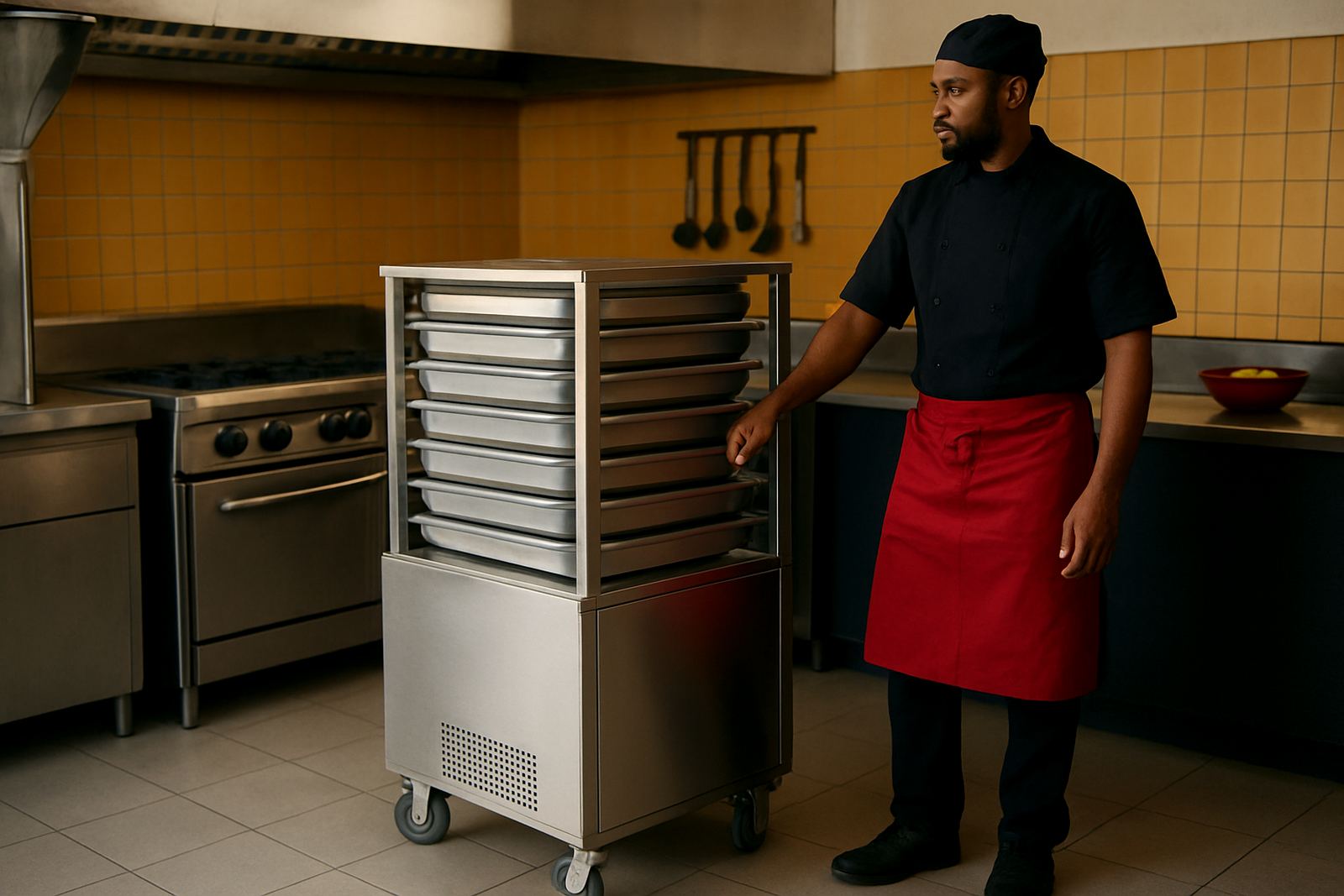
A good blast chiller pulls heat out of cooked food fast enough to bring it down through the risky temperature range in a controlled way. That matters for food safety, but it also protects texture. Soups stay cleaner, sauces hold better, and cooked rice or meats are less likely to dry out or break down when they are reheated later.
For kitchens working around lunch peaks, load-shedding, and staff changes between shifts, that control is worth a lot. It means the team is not trying to do everything at once.
How blast chilling supports safer stock rotation
Many kitchens lose money because food is cooled, packed and stored in an untidy way. Labels are missing, pans are piled on top of one another, or yesterday’s stock gets pushed behind newer product. Blast chilling helps by creating a cleaner handover from production to storage.
When food cools fast, it can be moved into cold storage sooner and logged properly. That makes it easier to follow first-in, first-out stock rotation. It also helps with batch control, which is important for hospitals and canteens where portions need to be traceable.
- Cook in measured batches instead of one large run
- Label cooled product with date, time and use-by details
- Keep raw and cooked food separate during storage
- Use clear shelf space for today’s chilled stock, not mixed leftovers
In practice, better rotation reduces waste and makes ordering easier. You start to see what is actually being used and what is sitting too long.
Planning production around busy service times
Blast chilling gives a kitchen more options for planning. A chef can prepare part of tomorrow’s service today, chill it safely, then finish or regenerate it later. That is useful in a Durban restaurant with a tight lunch trade, or in a Pietermaritzburg canteen feeding a large staff cohort at set times.
It also helps when delivery windows are unpredictable. Instead of keeping hot food on hold for too long, the team can cool it, store it and bring it back up when service is ready. This reduces pressure on the pass and on holding equipment, which often works harder than people realise.
For operations that run on tight labour, that extra planning space can make rostering simpler. One team can prep while another handles service, then the chilled product is ready for the next shift or event. It is a practical way to smooth out the day without cutting corners.
A local example from a Durban institutional kitchen
Consider a busy kitchen in the Durban North and Umhlanga corridor serving staff lunches and patient meals. At midday, a large batch of stews, vegetables and starches is cooked for same-day service and for later use. Without blast chilling, staff may leave trays on benches or pack them into cold rooms too warm, which holds heat in the centre of the product for too long.
With a properly planned chilling process, the food is portioned into shallow pans, spaced correctly and brought down quickly before being transferred to storage. The result is easier stock control, fewer temperature problems and a safer reheat the next day. It also reduces the chance of condensation dripping into packaging, which is a common issue in humid coastal conditions.
In a place like Glen Anil or Ballito, where kitchens often deal with seafood, dairy and cooked starches in one shift, that control matters. The product stays cleaner and the paperwork is easier to manage too.
What to consider before installing a blast chiller
Choosing the right unit is not just about size. It has to suit the menu, the number of meals produced, and the available space in the kitchen. In some sites, the issue is not the machine itself but the airflow, drainage or the route from cookline to cold room.
It is also important to match the chiller to the rest of the operation. A kitchen that plates 120 meals at once has different needs from a bakery cooling trays through the morning. Power supply matters as well, especially where load-shedding or generator changeovers are part of the normal day.
- Check the daily batch size and peak production periods
- Allow enough floor space for doors to open fully
- Plan ventilation and extractor positions around hot equipment
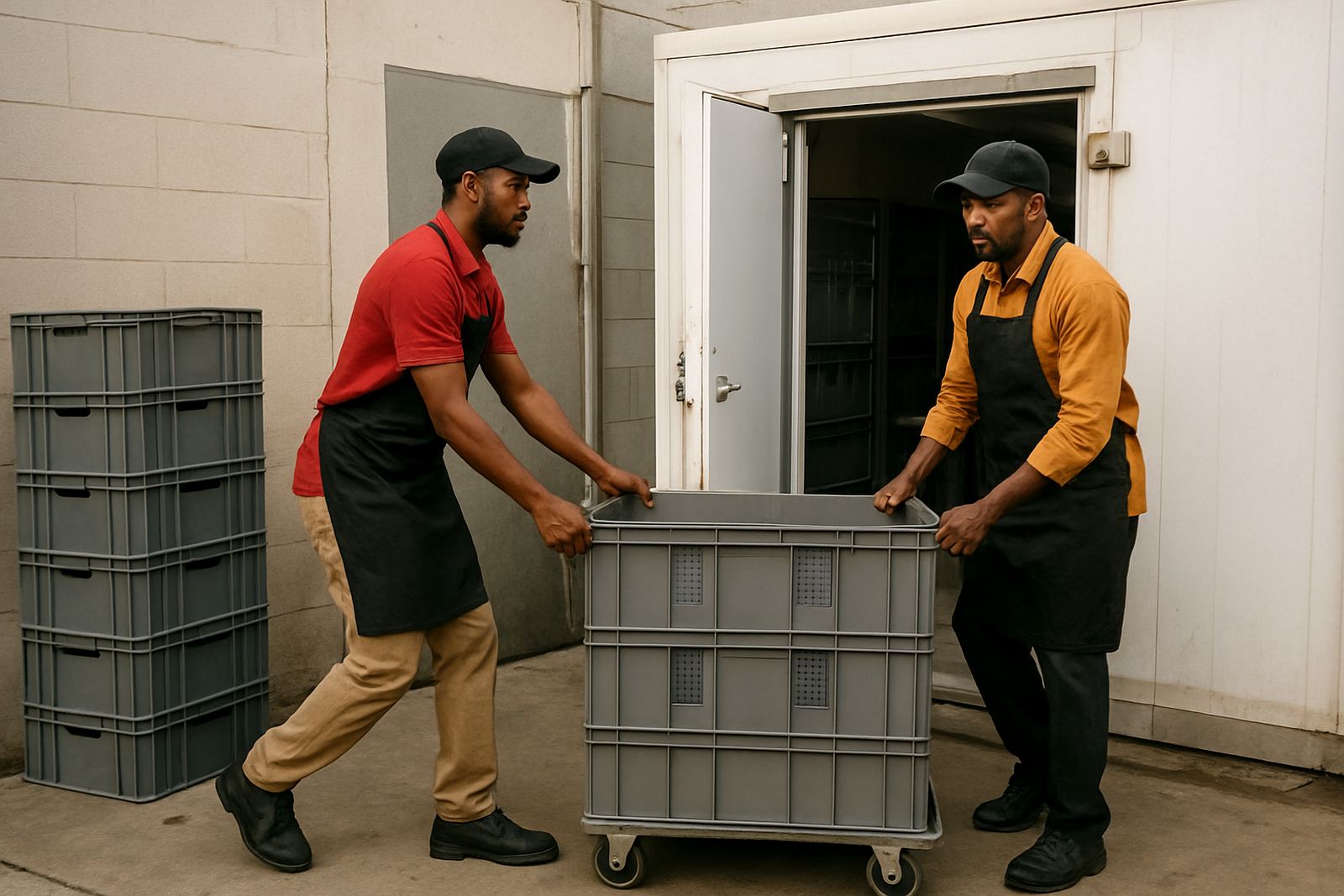
- Make sure staff can move pans safely from cookline to chiller
- Confirm that cleaning access is practical for daily use
If these points are missed, the machine can become underused even when it was a good purchase on paper.
Keeping chilled food safe after the cycle finishes
Blast chilling is only one part of the process. Once the cycle is done, the food still needs correct handling. That means prompt transfer to refrigeration, clear labelling, and storage that keeps cooked product away from raw ingredients and strong odours.
Staff training is often the difference between a system that works and one that gets ignored. People must know how to load pans, how deep product can be, and when to stop adding warm items. A bit of training saves a lot of spoilage later.
It also helps to set simple rules for checks and records. If a kitchen keeps temperature logs and cleaning routines in place, it is easier to spot small problems before they become waste or a health issue. That kind of discipline pays off during inspections too.
Why the benefit shows up in the numbers
Blast chilling may seem like a technical extra, but the benefits show up in cost control. Food lasts longer, stock moves more predictably, and the kitchen is less likely to throw away product because it was held too long or cooled badly. For operators, that means fewer surprises at month end.
There is also a labour benefit. When part of the prep is done earlier and stored safely, the team can focus on service rather than rushing every dish from scratch. In many kitchens, that is the difference between controlled service and a kitchen that is always catching up.
For Durban and KwaZulu-Natal businesses, blast chilling is not a luxury. It is a useful tool for safer production, better planning and cleaner stock control, especially where the kitchen is busy, the weather is humid and the schedule changes through the week.