
Start with the room, not the stove
Before anyone switches on a cooker or opens a fridge, walk the kitchen from front to back. Look for water on the floor, boxes left near heat sources, blocked exits, or trays stacked where they should not be. In humid areas like Durban North and Umhlanga, moisture can build up overnight and make floors slippery by breakfast service.
The opening check should be simple and the same every day. That way the first person in does not rely on memory alone. A short checklist helps new staff, and it also shows if there was a problem after the night shift, load-shedding or a power dip. If a reset is needed, it is better to find it early than during the first rush.
- Open fire exits and keep them clear
- Check floors, drains and spill points
- Confirm lights, gas and power are on
- Look for unusual smells, noise or heat
Bring refrigeration up before prep starts
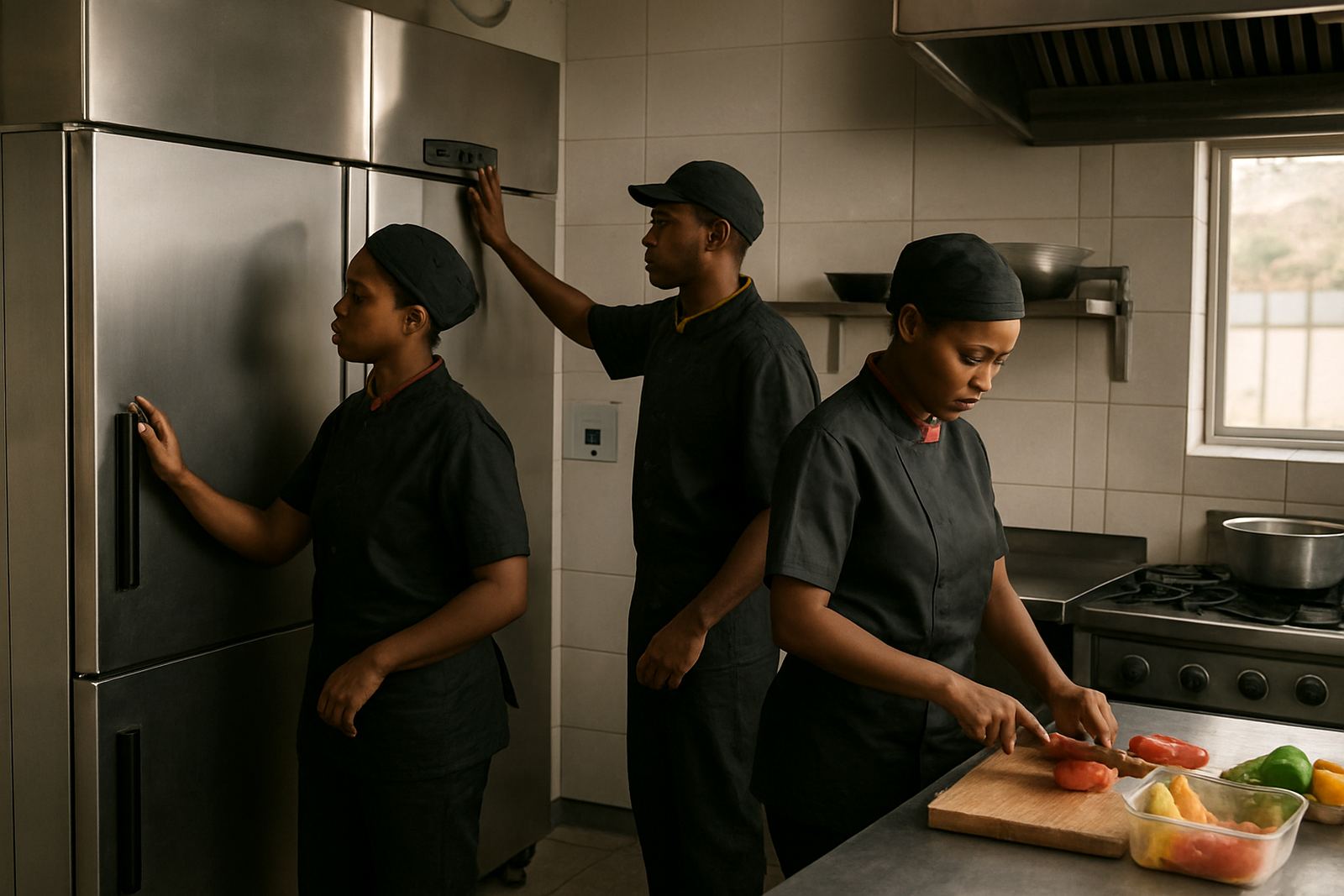
Cold storage should be one of the first systems checked because it affects the whole day. Make sure each fridge and freezer is running at the correct range, doors close properly and there are no overloaded shelves blocking air flow. If a unit has been off overnight, or if there was a municipal power interruption, give it time to recover before loading fresh stock.
For hospitals, schools and canteens, the morning shift often starts with bulk prep. That means the cold room must be organised before containers begin moving in and out. Keep raw meat separate from ready-to-eat items, and do not place warm food into a fridge to “cool it down” faster. That practice can lift the internal temperature and affect the lot.
- Read temperature displays and record them
- Check door seals for gaps or tears
- Clear condenser vents and fan areas
- Put stock in date order, oldest first
Switch on cooking equipment in the right order
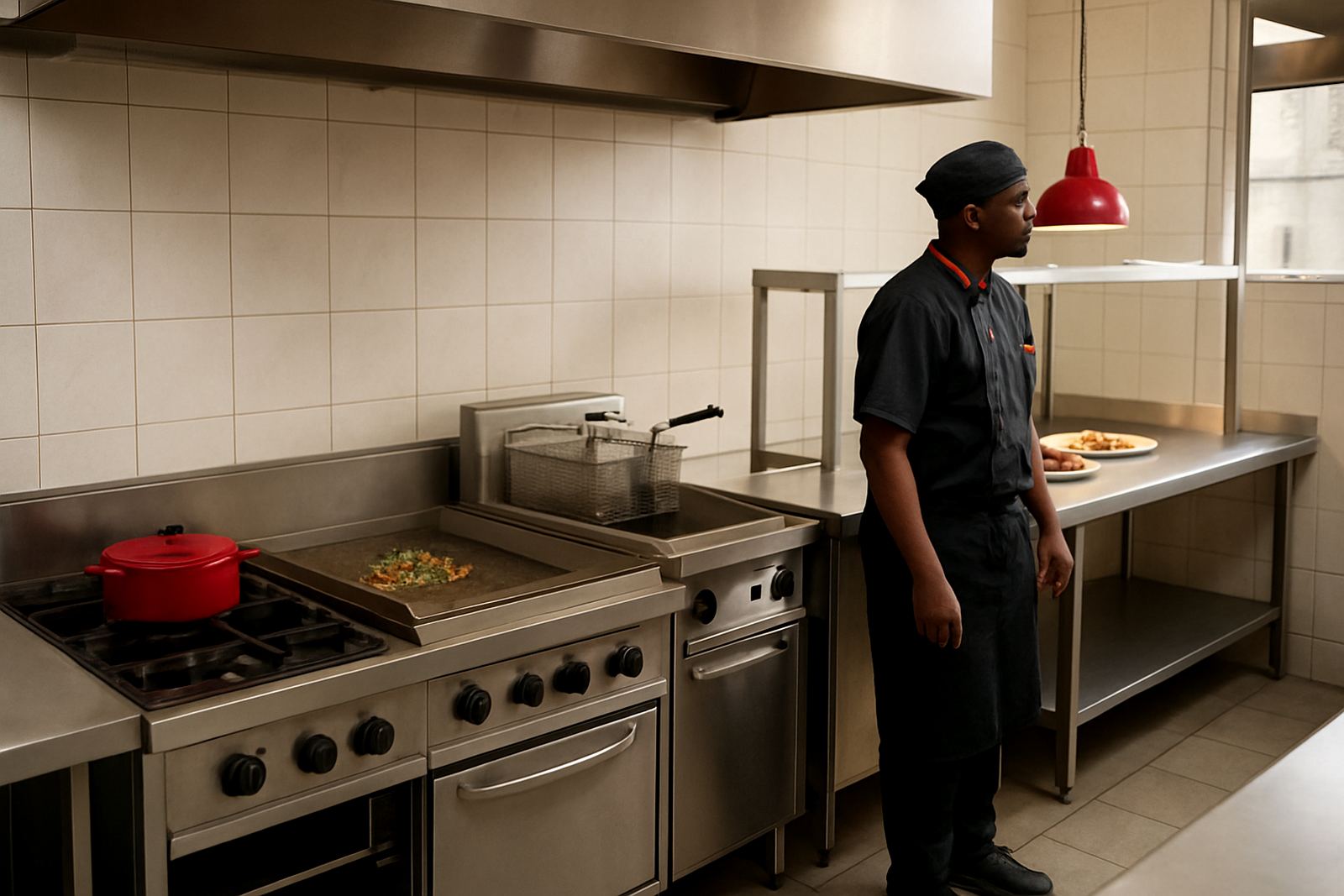
Cooking lines work best when they are brought online in a fixed sequence. Start ventilation first, then heating equipment, then appliances that need warm-up time. This keeps heat and steam under control and reduces the chance of staff working in a hot, cramped space too early. In kitchens with extractor problems, steam can build fast and make the floor damp by 7am.
Give gas and electrical equipment a quick visual check. Look for loose knobs, damaged cables, blocked burner ports or items stored too close to hot surfaces. If a fryer, oven or griddle has not been used since the previous shift, test it briefly and listen for irregular sounds. A small fault at opening can become a larger repair by lunch, so dont leave it for later.
- Start extractor fans before heat is applied
- Test ignition and heat controls one by one
- Keep cleaning chemicals away from hot plates
- Leave service access panels clear
Use a prep bench that is ready, not just clean
Clean does not always mean ready for production. A morning prep station should have the right boards, knives, containers, cloths and labels set out in advance. If the team has to search for a scoop or a GN pan after service has started, the whole line slows down. That is a common issue in busy kitchens in Pinetown and Ballito where teams rotate between breakfast, lunch and function work.
Set the bench by task. Vegetables on one side, proteins on another, and finished items in a separate space. Check scales, thermometers and storage tubs before the first order comes in. If the team is using stainless prep tables, keep the surface dry and free of clutter so cleaning can happen quickly between tasks.
- Stage ingredients in order of use
- Label trays, tubs and date stickers
- Confirm scales and probes are working
- Keep sanitiser cloths within reach
Assign the first hour to clear responsibilities
The best openings are not left to chance. One person checks refrigeration, another starts equipment, another sets up prep and a supervisor confirms the line is ready. In a strong team, each person knows the order of work and who to call if something is off. That avoids confusion when the first delivery arrives or when breakfast service begins earlier than planned.
A morning handover should include what happened after close, what needs attention now and what must be watched during the day. If a unit tripped overnight or a drain backed up, the team should know before food is unpacked. Clear responsibility also helps when staff changes are frequent, which is common in larger Durban operations and seasonal coastal businesses.
- Nominate one person to sign off the opening check
- Record faults before service begins
- Set a time for the first cleaning round
- Confirm who handles the first supplier drop
A Durban example: one small fix saves the breakfast run
At a busy canteen in Durban North, the morning team found one fridge door not closing fully after a weekend load-shedding event. The staff could still have started work and hoped for the best, but instead they moved breakfast stock into another cold unit, logged the issue and delayed loading fresh produce until the temperature stabilised. That one decision protected the food and avoided spoilage before service even began.
This is why a startup routine matters. It does not need fancy systems, just steady habits that work under local conditions. Humidity, power cuts, heavy use and tight prep times all put pressure on a kitchen. A practical opening check gives the team a better chance of staying on schedule, and it reduces avoidable callouts later in the week.
For operators in Glen Anil, Umhlanga, Pinetown, Pietermaritzburg and the wider KwaZulu-Natal area, the morning shift is where consistency begins. When the opening routine is clear, the kitchen feels calmer and the day starts with fewer surprises.