What factory canteens need to do well
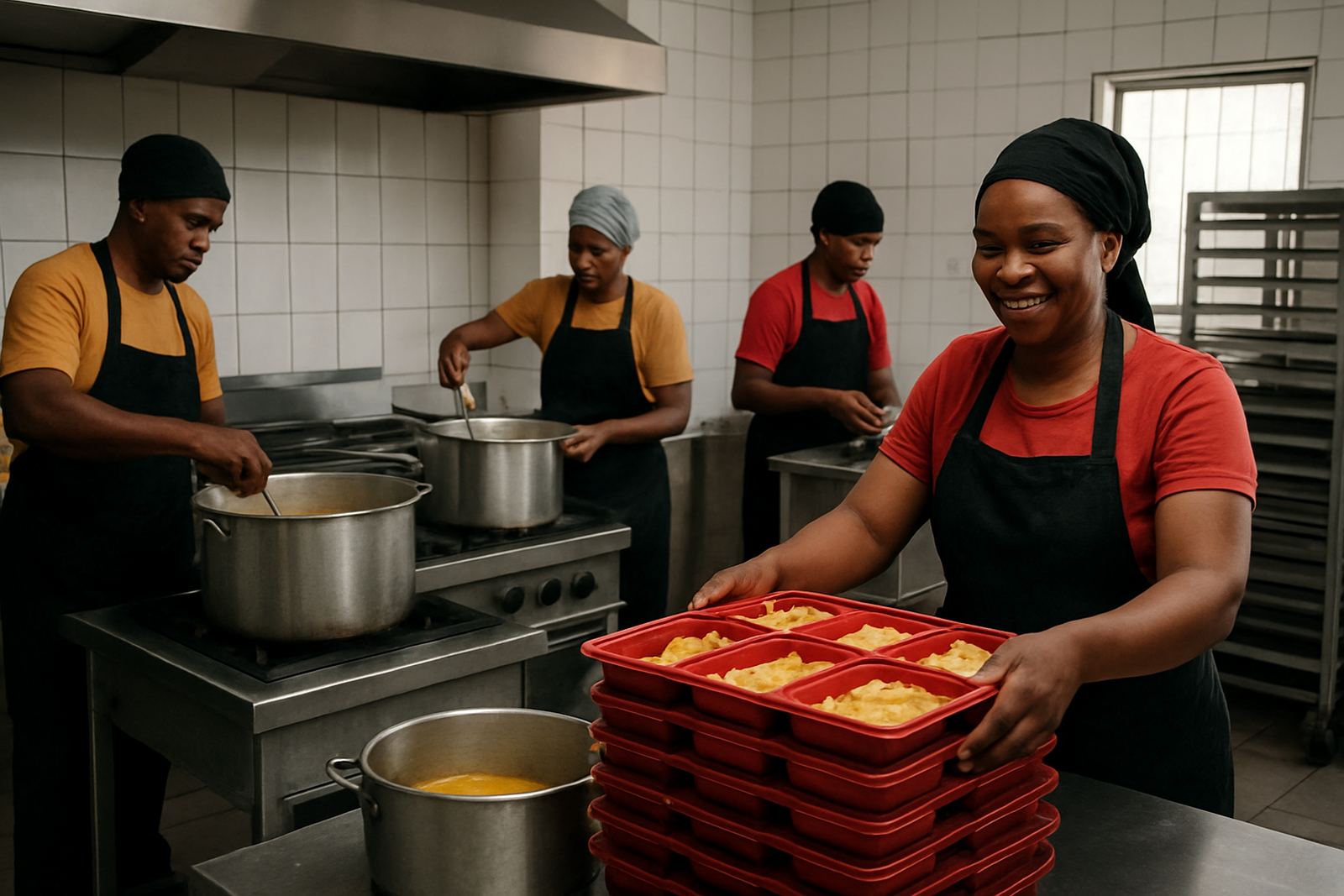
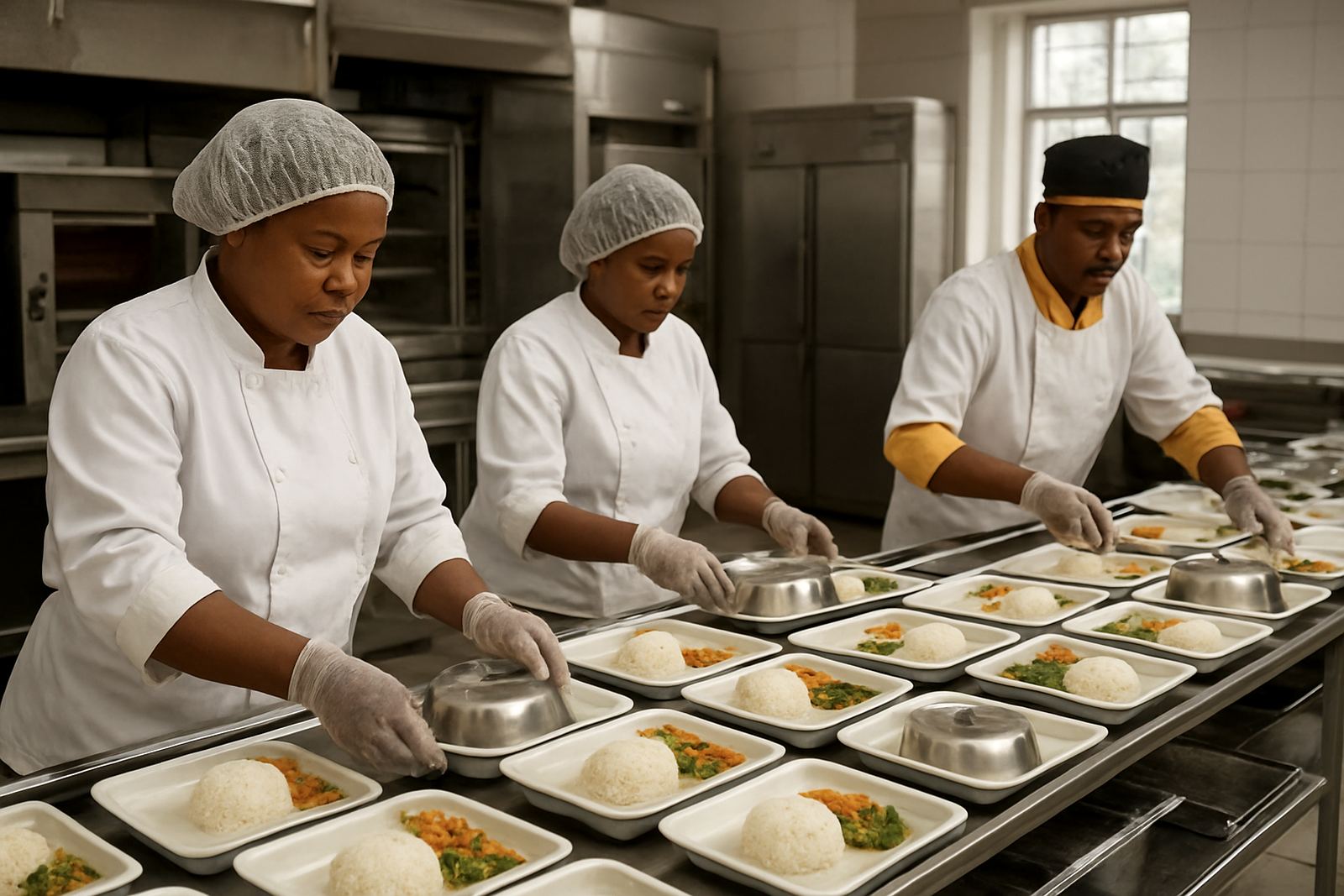
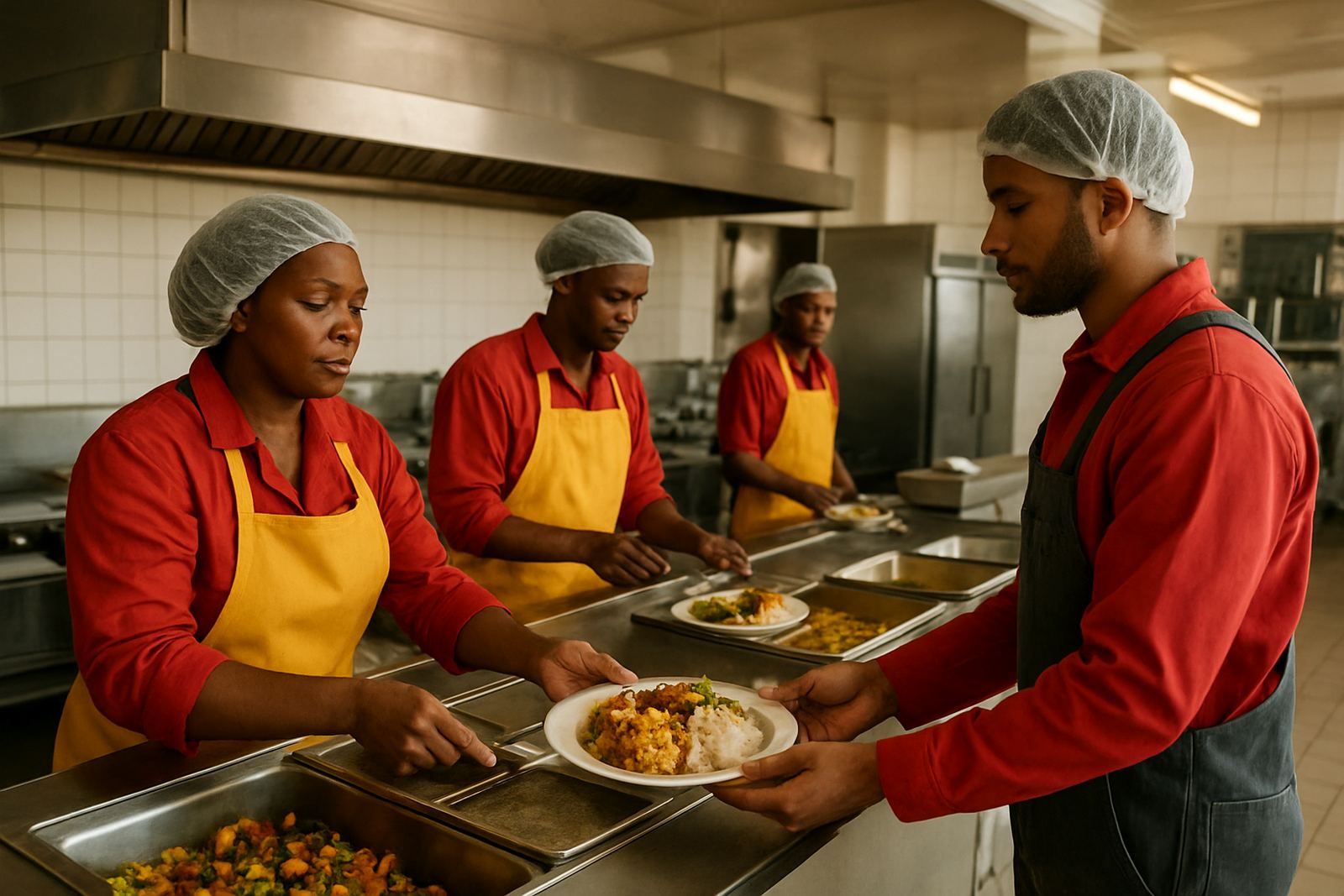
A factory canteen is not a restaurant. It has a short service window, a fixed break time and staff coming through in waves, often with only 20 to 40 minutes to feed a whole shift. That means the kitchen has to be planned for speed, clear movement and easy cleaning, not for fancy presentation.
In Durban and along the coast, heat and humidity also matter. Stainless surfaces, proper ventilation and sensible cold storage help keep food safe and equipment in better condition. If the site is in Pinetown, Durban North, Umhlanga or Ballito, the layout must suit the building, the workforce numbers and the daily menu, not just the available floor space.
- Fast plating and short queue times
- Space for bulk cooking and holding
- Easy wash-down at the end of each service
- Clear separation between raw, cooked and dirty traffic
Typical equipment set for a busy canteen
The exact set depends on whether the canteen serves breakfast, lunch, night shift meals or all three, but most factory kitchens use a mix of heavy-duty cooking, prep, holding and refrigeration equipment. The aim is to cook in batches, hold safely and plate without delay.
Common items include a gas or electric range, stock pot stove, convection oven, griddle, fryer, boiling pans, hot cupboards, stainless prep tables, undercounter fridges, upright cold rooms or reach-ins, and a proper dishwash or wash-up area. We also spec extractor systems, grease filters and stainless fabrications where needed.
- Cooking line with clear hot and cold separation
- Bulk prep tables and chopping stations
- Fridges sized for daily delivery cycles
- Heat lamps or hot holding for service line control
- Handwash points and pass-through shelving
Layout planning for shift-change pressure
The biggest mistake in a factory canteen is putting the servery in the wrong place. If staff have to cross the prep area, walk around wash-up or squeeze past stock crates, service slows down immediately. A good plan keeps the route from kitchen to line as short as possible, with one-way flow where it makes sense.
For larger plants in the Durban metro or around Pietermaritzburg, we often plan separate receiving, storage, prep, cooking and service zones. That reduces congestion during peak service and keeps the back-of-house cleaner. If the site has a small footprint, vertical storage and wall-mounted shelving can free up floor area without making staff work harder.
- Keep receiving away from plated food routes
- Place prep near cold storage to cut walking distance
- Allow enough counter length for peak plating
- Plan drain points and floor falls early, not after tiling
Extractor planning, power and water practicalities
Factory canteens often operate in older buildings or modular add-ons, so services need proper checking before equipment is ordered. A fryer, oven line and boiling section can place a fair load on electrical supply, and a mixed gas and electric setup needs the right safety and isolation points. During load-shedding, some sites rely on gas cooking, backup power for refrigeration, or phased cooking so the whole service does not stop.
Extractor planning matters as much as the cooking kit. Poor extraction leads to heat build-up, greasy walls and uncomfortable staff conditions, especially in summer. We also look at fresh air make-up, duct runs and fire safety requirements. On coastal sites, humidity can make poorly finished steel and fittings mark up quickly, so the finishing details matter more than people expect.
Common mistakes that push costs up
Most budget blowouts come from changing the menu after the equipment has already been ordered, or from underestimating peak numbers. A canteen that feeds 120 staff is very different from one that feeds 450. If the serving line is too short, a queue forms and the whole shift gets delayed, which nobody wants at change-over time.
Another issue is buying domestic-style equipment for a commercial canteen. It usually lasts less time, takes longer to recover between batches and can become a maintenance headache. We also see sites forget about wash-up space, dry storage or enough fridge room for delivered goods. That creates day-to-day problems that are expensive to fix later, and the kitchen feels cramped from the start.
- Undersized hot holding and cold storage
- No space for dirty returns and wash-up
- Extractor installed after the cooking line is set
- Electrical supply checked too late in the project
Budget ranges for factory canteens in Rand
Budget depends on size, menu, whether the kitchen is being fitted into an existing room or built as a full new installation, and whether stainless fabrication or extractor work is needed. For a smaller factory canteen, equipment supply and basic fitting can start from about R180 000 to R350 000. A mid-size operation with a fuller cooking line, refrigeration and extraction often sits between R350 000 and R900 000.
Larger canteens, especially where there are multiple shifts, cold storage and custom stainless work, can run from R900 000 to R2 million plus. It helps to stage the spend if the site is growing. We can prioritise the core cooking and storage items first, then add holding, prep and extras once the service pattern is confirmed. That approach keeps waste down and avoids buying equipment that never gets used properly.
How KZN Catering Equipment supports your site
We work from Glen Anil in Durban and support factory canteens across Durban North, Umhlanga, Pinetown, Ballito and Pietermaritzburg. Our team handles site surveys, kitchen layouts, equipment specification, extractor planning, stainless fabrication, installation, commissioning, preventive maintenance, breakdown repairs and staff training.
For a factory client, we start with the daily headcount, shift times and menu style, then build a practical plan around the building and supply situation. That includes checking access for deliveries, cleaning access and service clearances around the line. Mandla Sibusiso Dlamini leads the business, with Priya Naidoo on design, Siyabonga Mkhize on projects and Jared Pillay handling site installation. It keeps the process direct and accountable from first call to handover.
To discuss a factory canteen project, send a message through our contact form.