
What a church hall kitchen must handle week after week
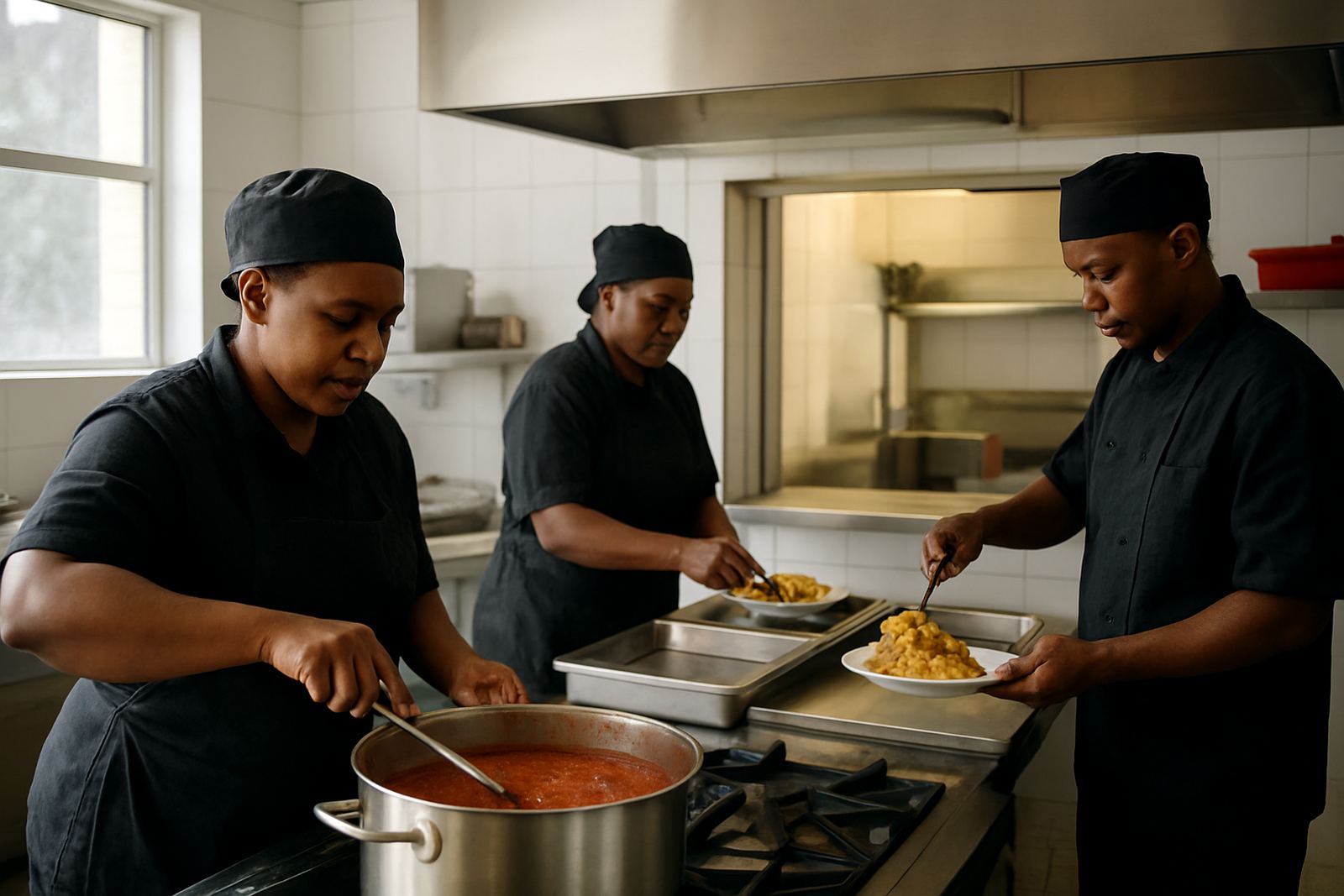
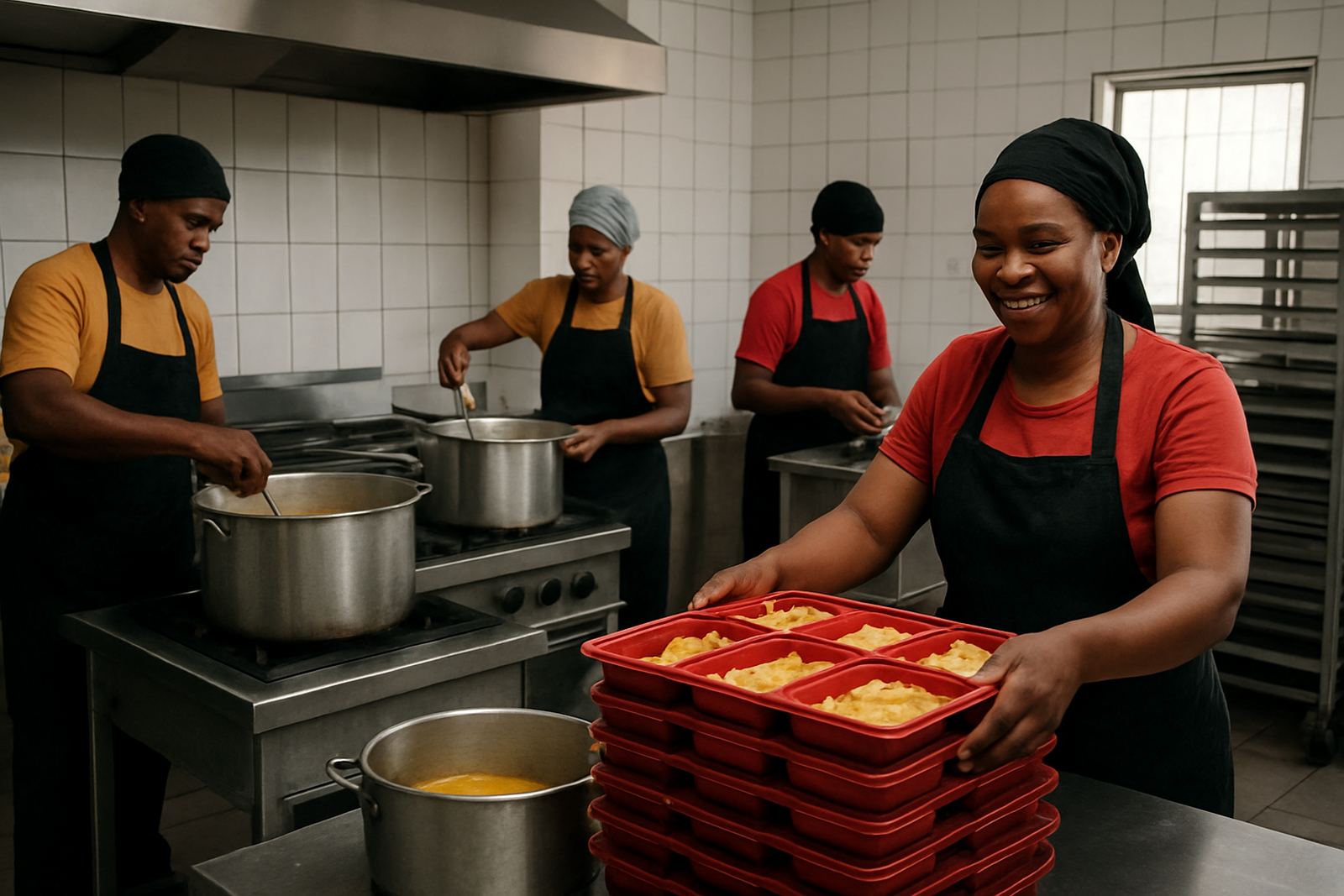
A church hall kitchen is not just for the once-a-year bazaar. In Durban and surrounding areas, many halls are used every weekend for community meals, weddings, funerals, school fundraisers and feeding programmes, so the equipment has to cope with regular work and quick turnarounds. The layout must suit volunteers, not just trained kitchen staff, which means clear movement, simple controls and enough room to plate, wash and store without people crossing paths.
For halls in Glen Anil, Durban North, Umhlanga, Pinetown, Ballito and Pietermaritzburg, we usually look at the actual activity pattern first. A hall that serves 80 people once a month needs a different setup to one that cooks for 250 children three times a week. Coastal humidity also matters, because poor ventilation and light steel fittings can rust fast if they are not specified properly.
Typical equipment for community meals and event catering
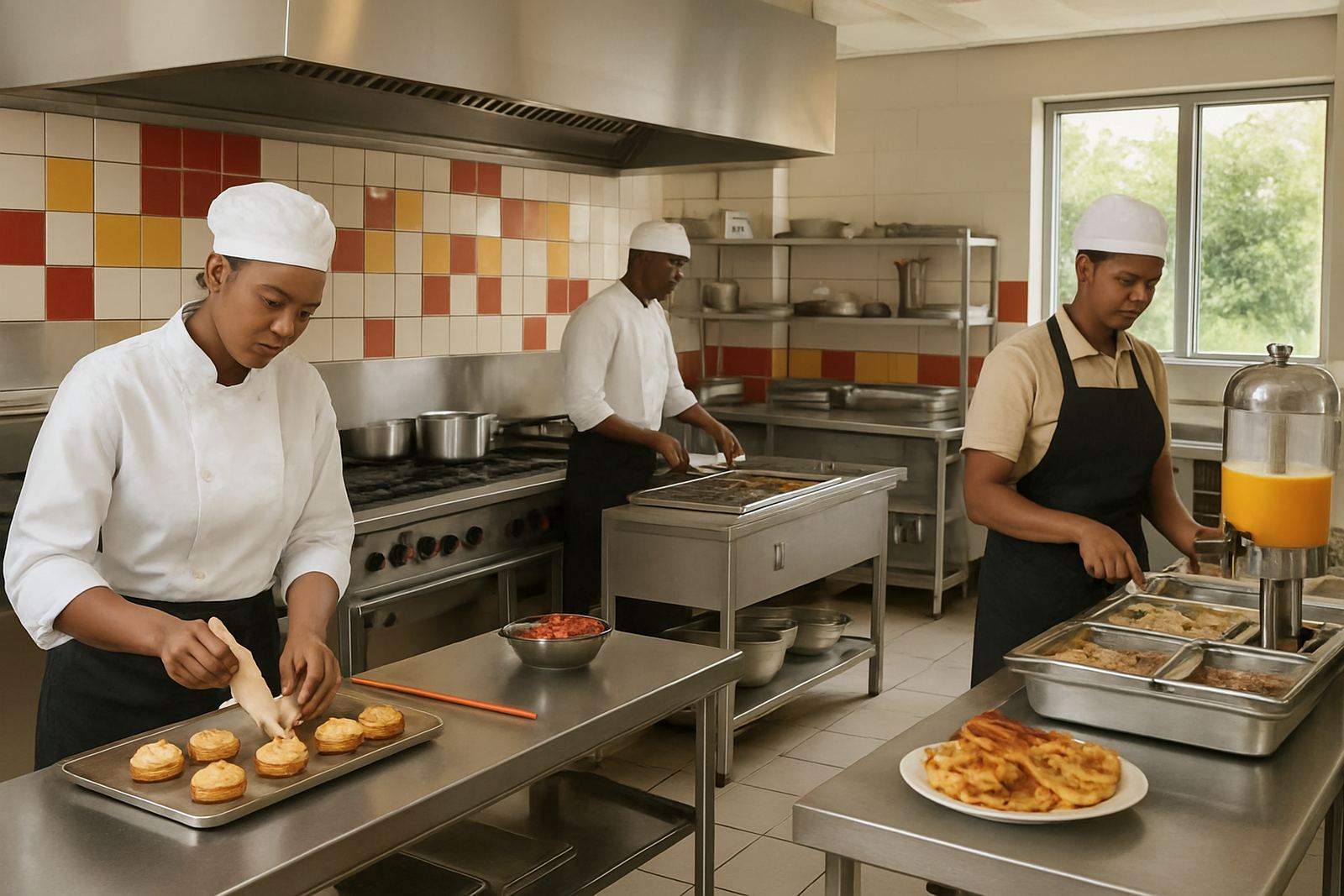
Most church hall kitchens need a practical mix of cooking, hot holding, prep and washing equipment. We keep it straightforward so the team can operate it under load-shedding, limited water pressure or a busy weekend schedule. For many halls, a commercial range, a double sink, prep tables and cold storage are the starting point, then we build out from there.
- Commercial stove or range for pots, sauces and bulk cooking
- Flat-top or griddle for breakfast events and quick service
- Under-counter or upright refrigeration for perishables
- Chest freezer or upright freezer for bulk stock and meal prep
- Stainless prep tables with undershelves for trays and bowls
- Hand wash basin and sink set for hygiene compliance
- Hot box or food warmer for plated service and late collections
- Extraction canopy where steam, smoke or frying is involved
- Heavy duty shelving for dry goods, disposables and cleaning stock
When the hall also hosts children’s feeding or soup kitchens, we often allow for larger pots, extra prep space and better dry storage. If the kitchen must be locked between uses, storage planning becomes just as important as cooking equipment.
Layout advice for volunteer teams and busy service days
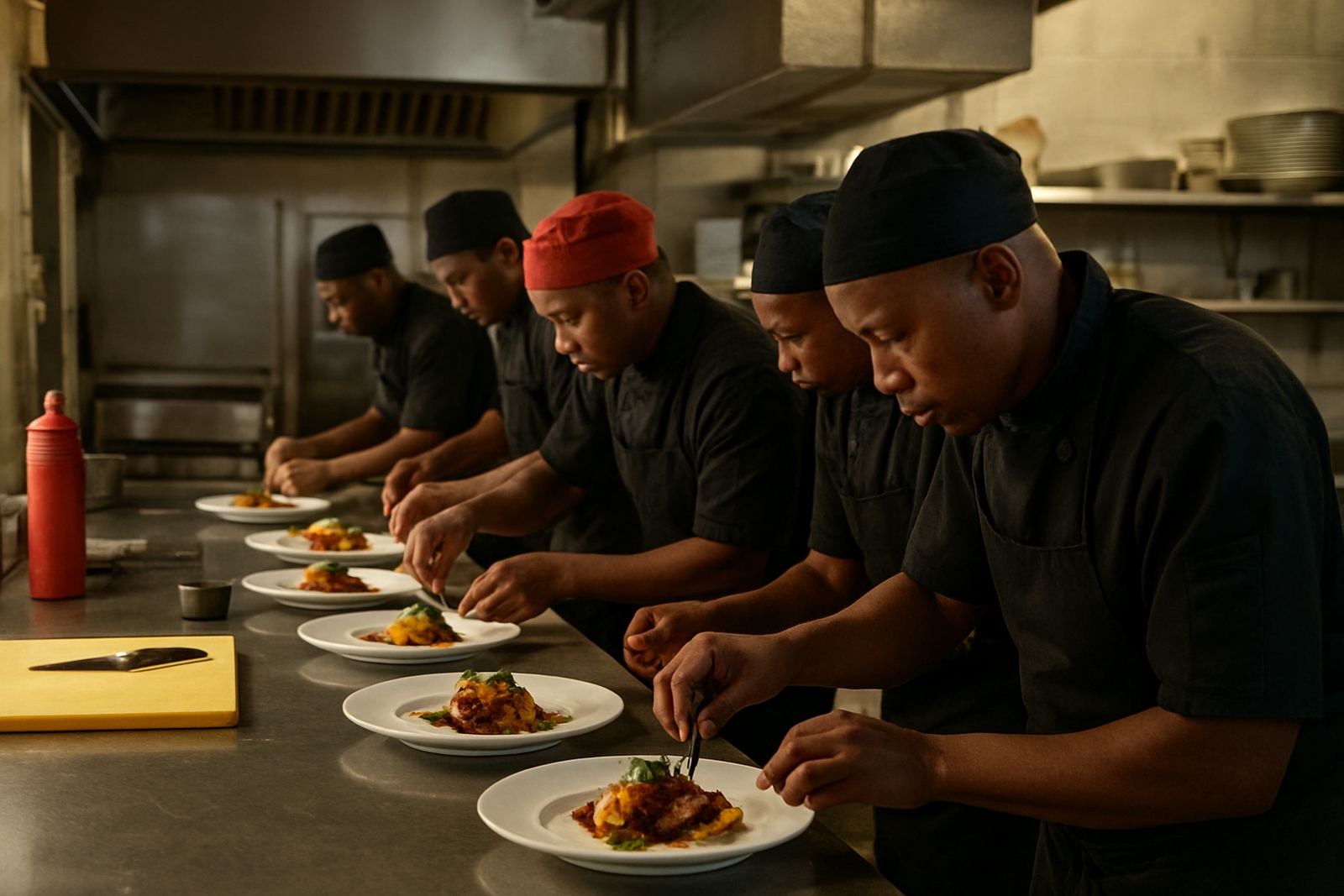
The best church hall kitchens are easy to understand at a glance. We try to keep the path from delivery to storage, prep, cooking, service and washing as short as possible. That cuts down on congestion and helps volunteers work safely, even when they are not familiar with commercial equipment.
A common mistake is to squeeze too much into one wall and leave no working space in front of the cooking line. Another is placing the fridge too far from prep, or putting the washing area where dirty dishes must pass through the food path. In older halls, the serving hatch is often fixed in a poor position, so we review the room before equipment is ordered. Small changes at survey stage save a lot of rework later.
- Keep dry storage off the floor and away from damp walls
- Allow at least one clear prep route between cold storage and cooking
- Place the hand wash basin where staff will actually use it
- Leave space for urns, chafing dishes and catering crates near service points
- Plan for cable routes, gas bottle positions and safe access for maintenance
Extractor planning, gas, power and local compliance
Church halls often start with basic utilities and then grow into heavier catering use. That is where planning matters. If the kitchen will fry food, roast meat or run several appliances at once, the electrical load needs to be checked early, especially in areas where power supply is already stretched. We also look at gas placement, back-up options and whether the hall needs space for a generator connection or inverter support during load-shedding.
Extraction is another area that gets missed. Even a modest kitchen can build up heat, steam and grease if the canopy is too small or the fan is undersized. In coastal Durban conditions, that moisture and grease can shorten the life of finishes quickly. We specify stainless where needed and size the ventilation to suit the actual cooking line, not just the room size.
Where municipal and fire requirements apply, it is better to deal with them at design stage than after installation. A hall used for public gatherings should have safe walkways, clear exits, proper gas storage and equipment that can be cleaned without trouble.
Budget ranges in Rand for different church hall setups
Budgets vary a lot depending on whether the hall needs a simple support kitchen or a full cooking facility. For a basic tea and serving kitchen, a sensible starting range is often around R45 000 to R90 000. That can cover stainless surfaces, refrigeration, a sink set and light prep equipment, depending on the size of the room and the condition of the existing services.
For a small to medium cooking kitchen that prepares meals on site, budgets often sit between R120 000 and R280 000. That usually allows for a cooker, cold storage, extraction, prep counters and proper installation. Larger hall kitchens, especially those supporting feeding programmes or frequent event catering, can move beyond R350 000 once fabrication, ventilation, electrical work and commissioning are included.
The cheapest quote is not always the best value. If a unit is too small, hard to clean or badly placed, volunteers spend more time working around the kitchen than in it. We rather match the equipment to the real use and stage the spend where needed.
From site survey to handover in Durban and KwaZulu-Natal
Every hall starts with a site visit. We measure the room, check access doors, water points, drainage, power supply and any wall or floor issues that could affect installation. From there, our team prepares kitchen layouts, equipment specifications and extractor planning suited to the actual use of the hall. Where stainless fabrication is needed, we make the pieces to fit the room properly instead of forcing standard sizes into a tight space.
Our Durban team handles installation, commissioning and staff training so the first busy service does not become a learning exercise. We also support preventive maintenance and breakdown repairs, which is useful for halls that run on weekends and need fast turnaround between events. If a kitchen is serving a congregation, a feeding programme or a rental function, it needs suppliers who understand the pressure of real use, not just a showroom setup.
KZN Catering Equipment works from Glen Anil, Durban and supports halls across the North Coast, Durban metro and inland KwaZulu-Natal. If your church hall needs a kitchen that can cope with community meals and catering days, we can help plan it properly from the start.