Start with the meal count, not the floor plan
Before you price any equipment, work out how many people must be fed in one sitting and how long the serving window is. A school canteen serving 300 learners in 35 minutes needs a very different setup from a hospital kitchen feeding staff over 2 hours. Count peak numbers, not average numbers, and allow for seconds, late arrivals and staff meals. That little bit of extra capacity saves pressure at the counter and helps the line move.
Also check the room shape, drainage points, electrical supply and entry routes for deliveries. In Glen Anil or Pinetown, tight loading areas can affect what arrives in one piece and what needs to be assembled on site. If the space is narrow, choose modular servery units that can be moved through doors and turned in corridors. For coastal sites in Umhlanga or Ballito, plan for salt air on exposed metal parts and allow for more regular cleaning and inspection.
- How many meals per peak service?
- How long is the serving period?
- Where will dirty return trolleys go?
- Is the electrical load enough for heaters, hotplates and refrigeration?
- Will the equipment fit through doors and lifts?
Choose servery equipment that keeps food safe and moving
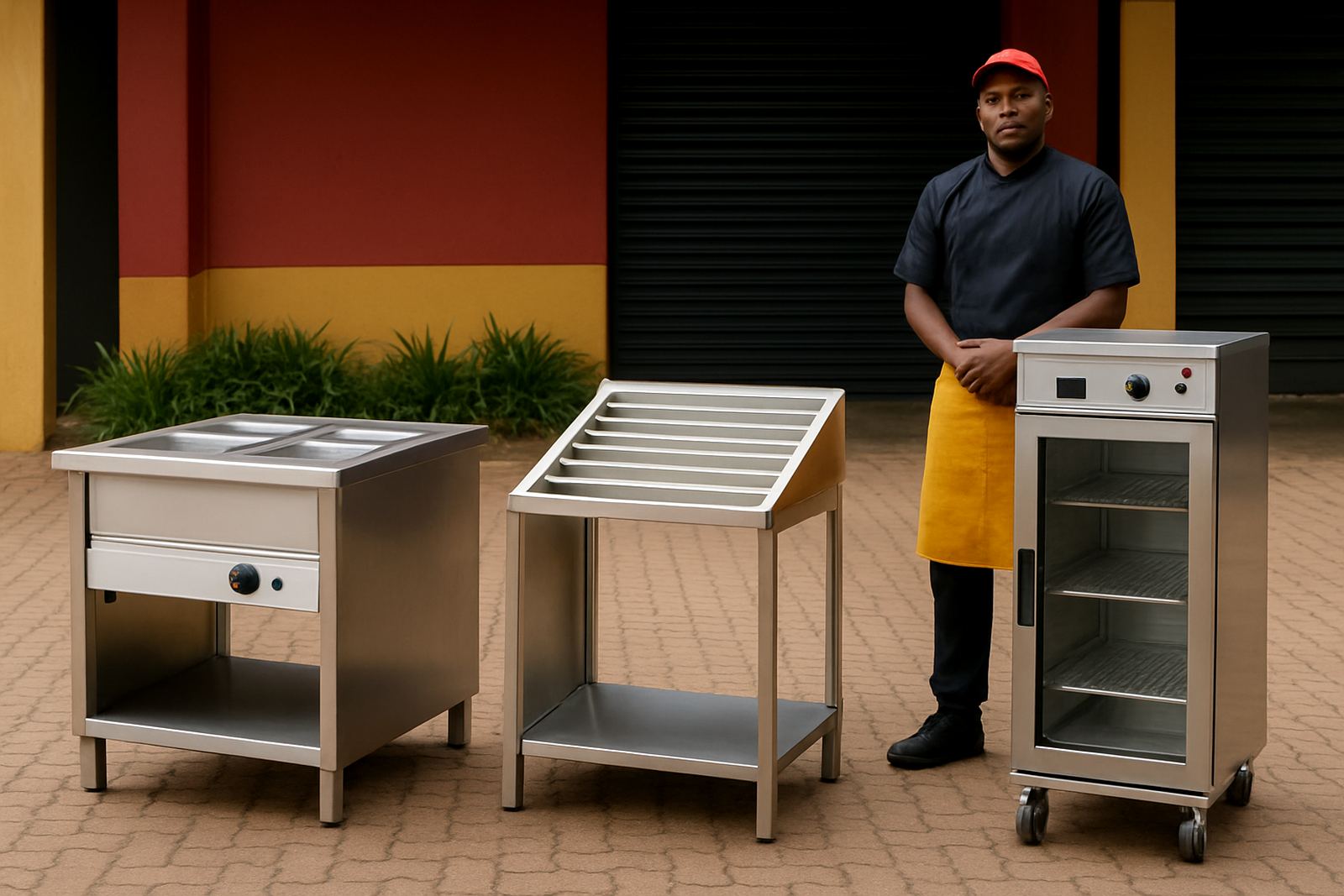
Servery equipment should hold food at the right temperature while allowing staff to serve quickly. For hot items, use heated bain maries, heated counters or hot holding cabinets close to the pass. For cold items, choose refrigerated display or chilled wells with lids where possible. If the line is long, add sneeze protection and space for plates, cutlery and condiments so people do not crowd one point.
Think about the menu too. A canteen serving soup, rice, stews and vegetables needs different holding zones from one that offers prepacked meals and salads. If the menu changes daily, choose flexible pans and inserts instead of fixed compartments. That makes the line easier to reset and the kitchen less messy. It also helps when the venue runs load-shedding backups, because you can prioritise only the equipment you need, not the whole line.
- Hot food should stay above safe holding temperatures.
- Cold food must stay properly chilled through the full service.
- Use lift-off lids or covers where practical.
- Allow a clear reach for staff so they are not over the counter all day.
- Check that each unit suits the menu, not only the footprint.
Pick cooking equipment for volume and recovery time
Canteen cooking is about speed, recovery and repeatability. Large pots and stock pots work well for soups, curries and starches, while flat top griddles, gas burners and convection ovens suit faster turnarounds. If the kitchen runs breakfast, lunch and supper, look for equipment that can handle back-to-back batches without dropping performance. Recovery time matters a lot when the team has only a short gap between services.
In many KZN sites, power interruptions still shape equipment choices. A mixed fuel setup can be sensible, with some items on gas and others on electricity, so the kitchen does not stop when the supply dips. Make sure burners, ovens and hot cupboards are placed with proper extraction and clear working space around them. If the extractor is undersized the room gets hot, greasy and hard to work in, especially in summer.
- Large batch cooking needs even heat and fast recovery.
- Plan a mix of gas and electric if load-shedding affects your site.
- Leave space for pans, trays and safe lifting.
- Check that extraction matches the heat output of the cooking line.
- Choose equipment that staff can clean daily without moving heavy parts too far.
Holding, storage and prep should support the service line
A good canteen fails if food waits in the wrong place. Holding cabinets, hot cupboards and insulated trolleys keep prepared meals at the right temperature while the line clears. Use dry storage for bulk ingredients, sealed shelving for packaging and dedicated chilled storage for dairy, meats and salad items. If the store room is cramped, plan vertical racking and clear labels so stock is easy to rotate.
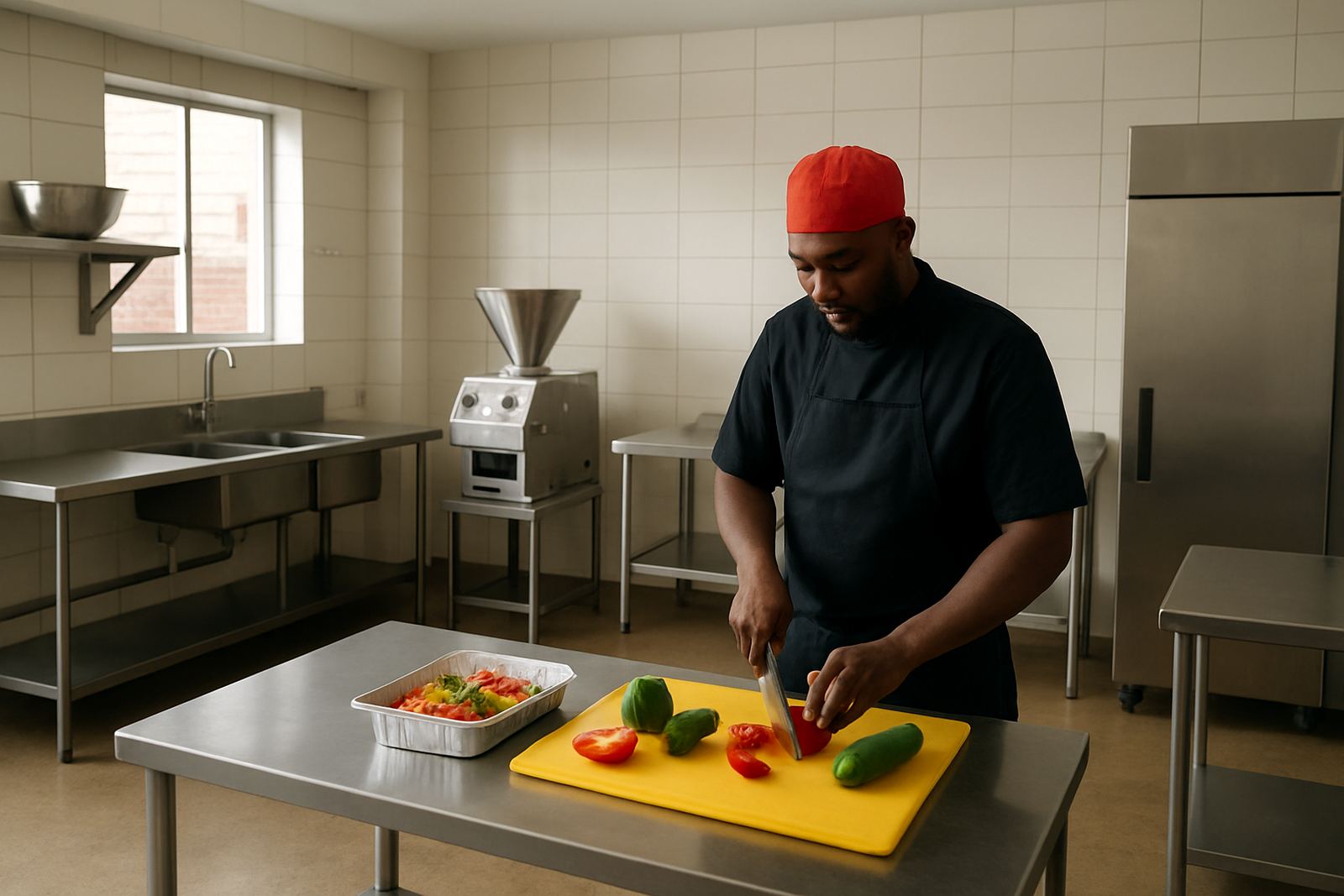
Food prep equipment should match the portioning method. Sinks, stainless tables, slicers, mixers and vegetable prep stations should sit in a logical flow from receiving to prep to cooking. That cuts cross traffic and makes cleaning easier at the end of the day. In humid coastal conditions, good stainless detailing and proper drainage matter because standing moisture can lead to rust staining and slippery floors.
- Keep hot holding close to the pass.
- Use lockable or enclosed storage for chemicals and paper goods.
- Separate raw prep from ready-to-serve food zones.
- Fit shelving high enough for cleaning underneath.
- Use clear shelf labels and stock rotation dates.
Plan cleaning, maintenance and staff training before opening day
Canteen equipment lasts longer when it is built around cleaning from the start. Smooth stainless finishes, removable trays and accessible corners reduce scrubbing time. Ask how each unit will be washed, dried and inspected every day. If staff cannot reach a drip tray or burner properly, the area will soon become a problem. The same applies to refrigeration condensers and extractor filters, which need scheduled attention not just emergency repairs.
A practical maintenance plan should include daily cleaning, weekly checks and a monthly service list. Train the team on safe switching, preheat times, temperature control and what to do if a unit trips or leaks. That training makes a big difference in busy schools, hospitals and staff canteens where shifts change and not everyone uses the kit the same way. Small habits, like checking seals and wiping door handles, help avoid bigger breakdowns.
Checklist for handover:
- All temperatures tested and recorded.
- Gas, power and water points confirmed.
- Extractors running correctly.
- Drainage tested with no pooling.
- Staff shown how to start, stop and clean each unit.
- Service contacts and spare part details kept on site.
A simple buying checklist for Durban and KZN canteens
When you compare quotations, look beyond the lowest price. The right canteen package should cover layout, equipment specification, installation and after-sales support. A cheaper unit that is hard to clean or too slow for peak service will cost more later. Ask for dimensions, power ratings, heat output, shelving details and lead times so there are no surprises during fit-out.
Local factors matter too. Sites in Durban North, Umhlanga and Ballito may need extra corrosion protection because of coastal air, while inland sites in Pietermaritzburg may focus more on power stability and storage space. For schools, hospitals and factory canteens, the correct answer is usually a mixed setup that balances cooking, holding and service speed. If the line is planned well, the kitchen runs calmly even when the meal count jumps.
- Does the layout suit the actual meal count?
- Are hot, cold and dry zones clearly separated?
- Is extraction adequate for the cooking load?
- Can the team clean and service every unit properly?
- Will the equipment cope with local power and humidity conditions?
- Is there a maintenance plan after commissioning?
When to bring in a specialist kitchen designer
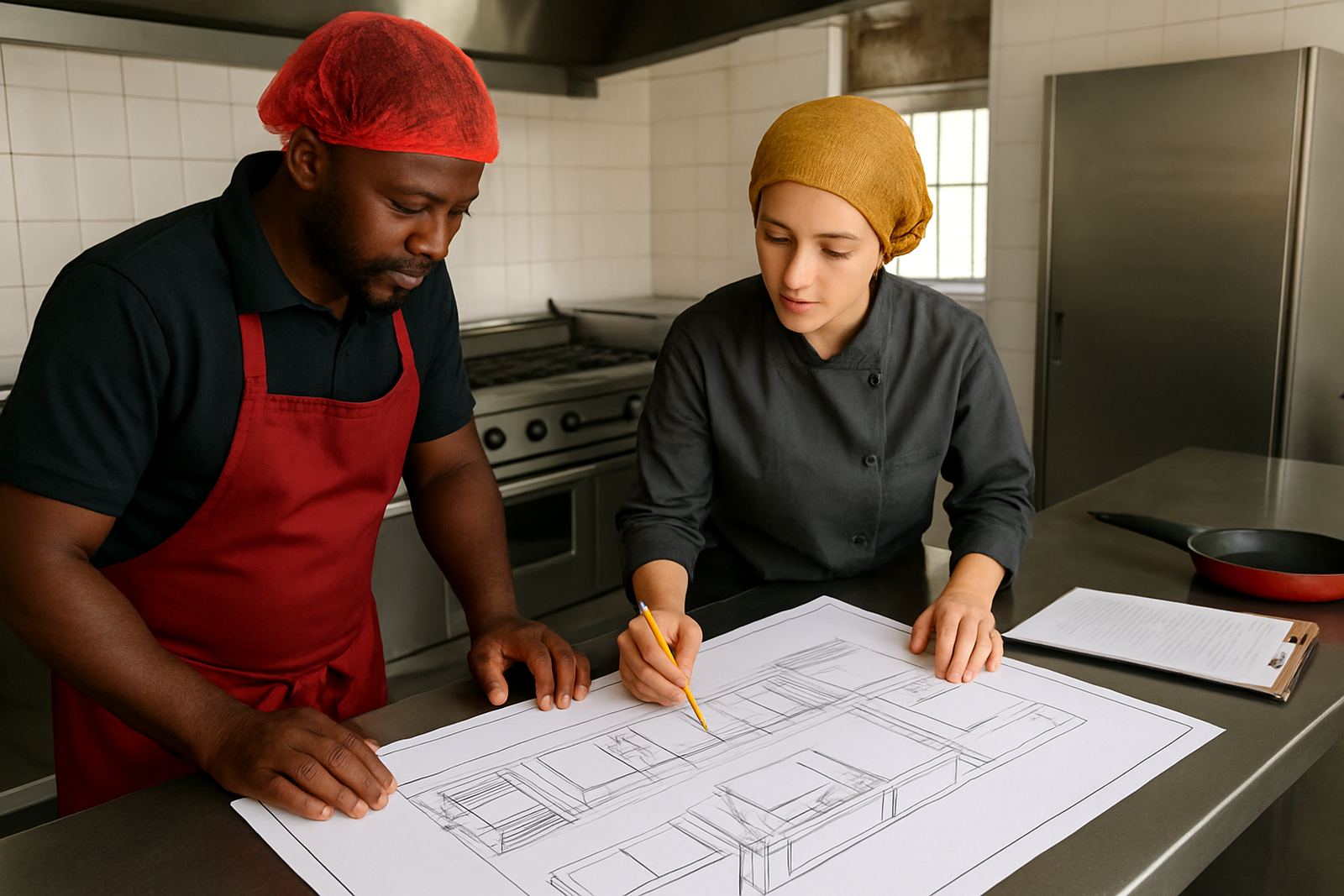
If your canteen is being built from scratch, expanded or changed from tray service to a self-service line, bring in a specialist early. Good planning can reduce rework, shorten installation time and avoid clashes between equipment, plumbing and extraction. That is especially useful on sites in Glen Anil, Durban North, Pinetown, Umhlanga, Ballito and Pietermaritzburg where access, schedules and existing services can vary a lot.
A proper site survey will show what can fit, what must move and what needs to be ordered specially. It also helps set realistic budgets for stainless fabrication, extractor planning, commissioning and preventive maintenance. The result is a canteen that serves on time and stays easier to manage day after day, instead of one that looks fine on paper but struggles in practice.