What Our Preventive Maintenance Covers
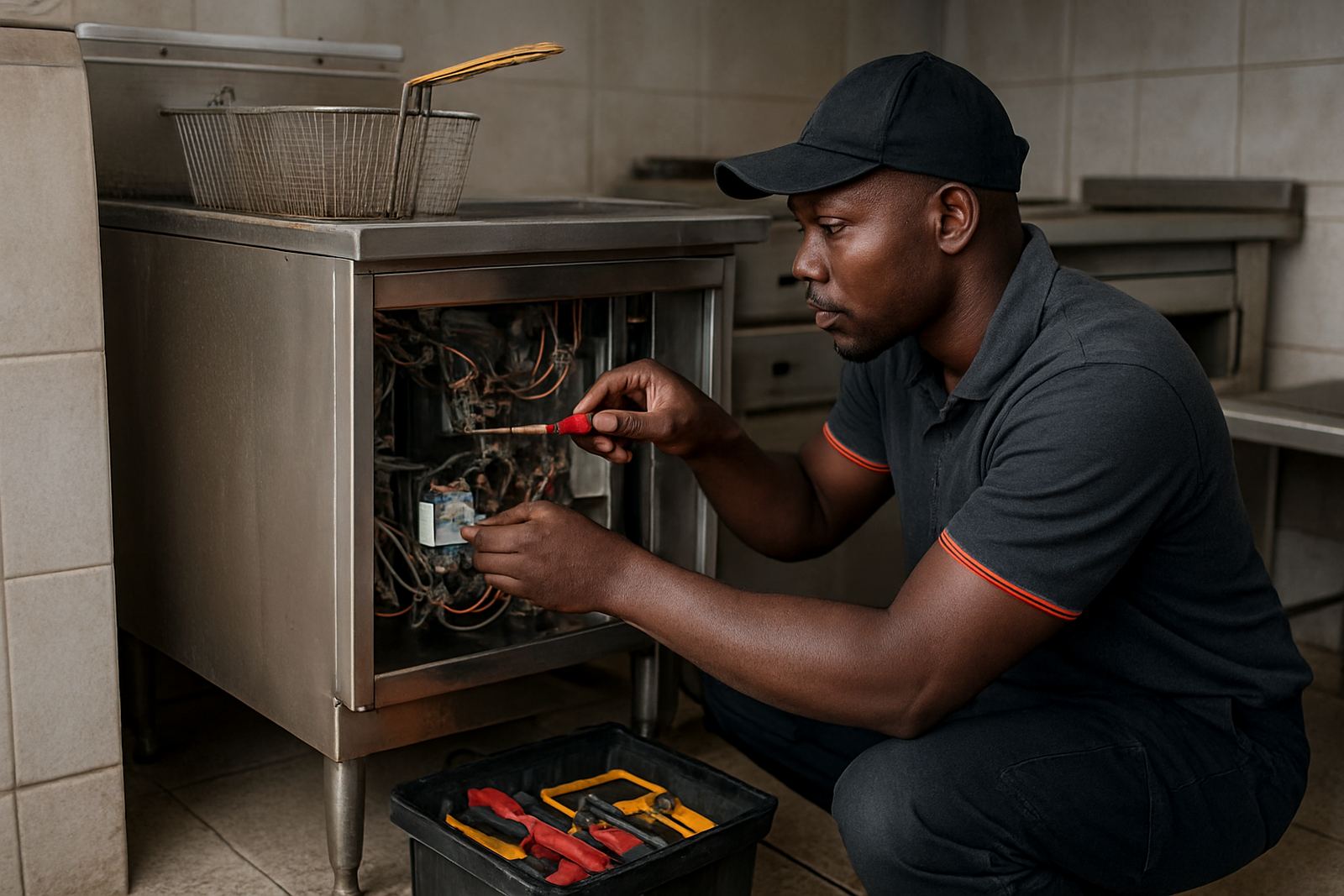
Preventive maintenance is not just a quick clean and a look-over. We inspect, adjust, test and service the equipment that keeps your kitchen trading, then note what needs follow-up before it becomes a breakdown. That includes cooking equipment, refrigeration, prep stations, stainless steel fittings, extractors and support systems that get heavy daily use in restaurants, hospitals, canteens and institutional kitchens.
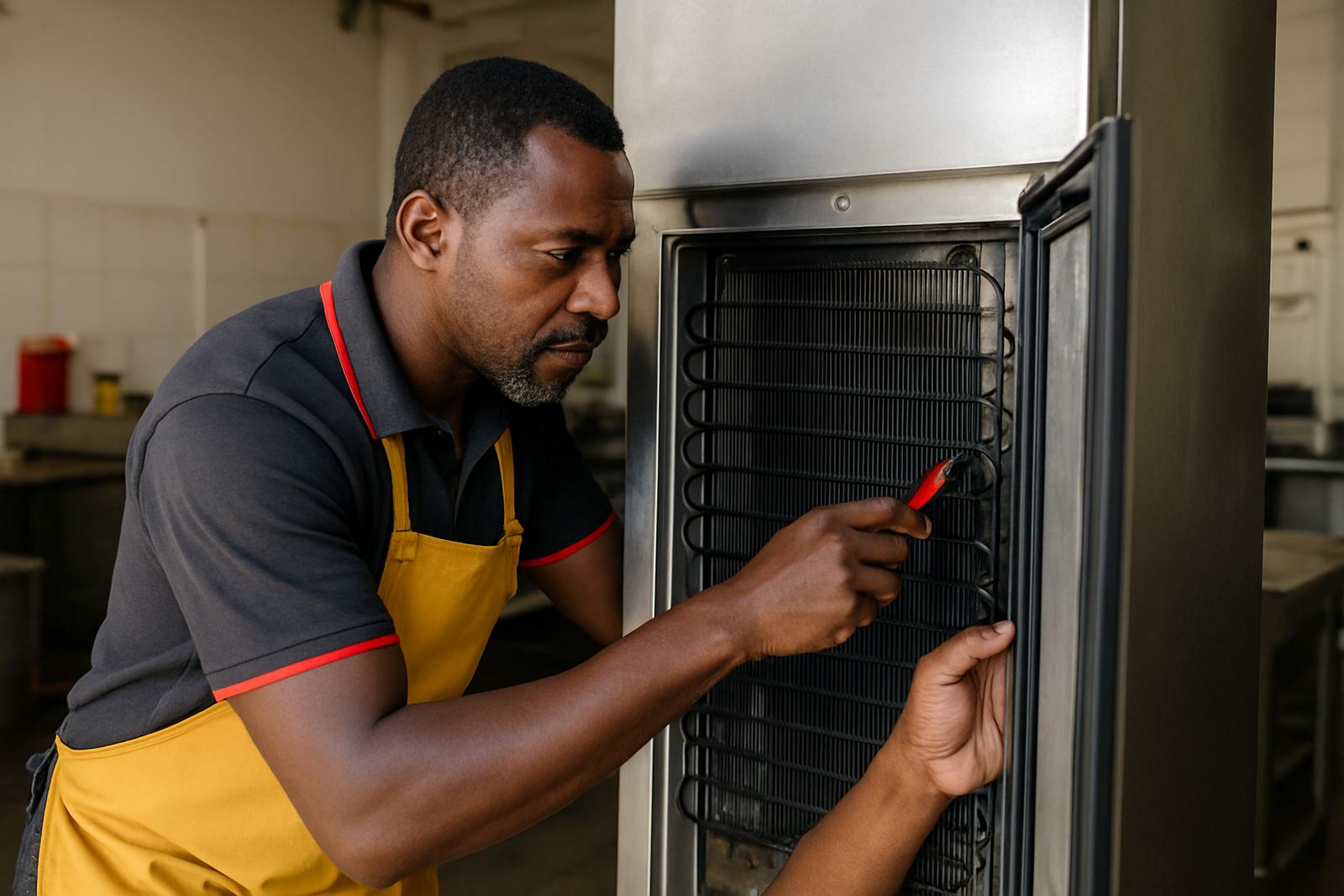
Typical checks include electrical connections, worn seals, door alignment, thermostats, fan motors, burners, switches, drain lines, compressor operation and general hygiene condition. Where required, we also check gas appliance safety points, extraction airflow and visible signs of corrosion, especially in coastal areas like Durban North, Umhlanga and Ballito where salt air can shorten component life.
- Visual inspection and operational test of each asset
- Cleaning of accessible service points, filters and vents
- Adjustment of hinges, latches, thermostats and controls
- Reporting on parts that need replacement soon
Equipment We Service During Planned Visits
Our maintenance programmes are set around the actual mix of equipment on site. A small café in Glen Anil will not need the same schedule as a hospital kitchen in Pietermaritzburg or a busy canteen in Pinetown, so we match the service list to the plant in use and the hours it runs.
We commonly maintain hot and cold equipment, food prep equipment, extraction systems and support refrigeration. On larger sites we also record serial numbers, model details and service history so future visits are quicker and spares can be identified without delay. If the kitchen has had recurring faults or load-shedding related stress, we can prioritise the items that are most exposed.
- Cooking ranges, ovens, fryers and griddles
- Fridges, freezers, undercounter units and cold rooms
- Prep tables, sinks, shelving and stainless steel fittings
- Extractor canopies, filters and duct access points
How We Plan the Service Visit
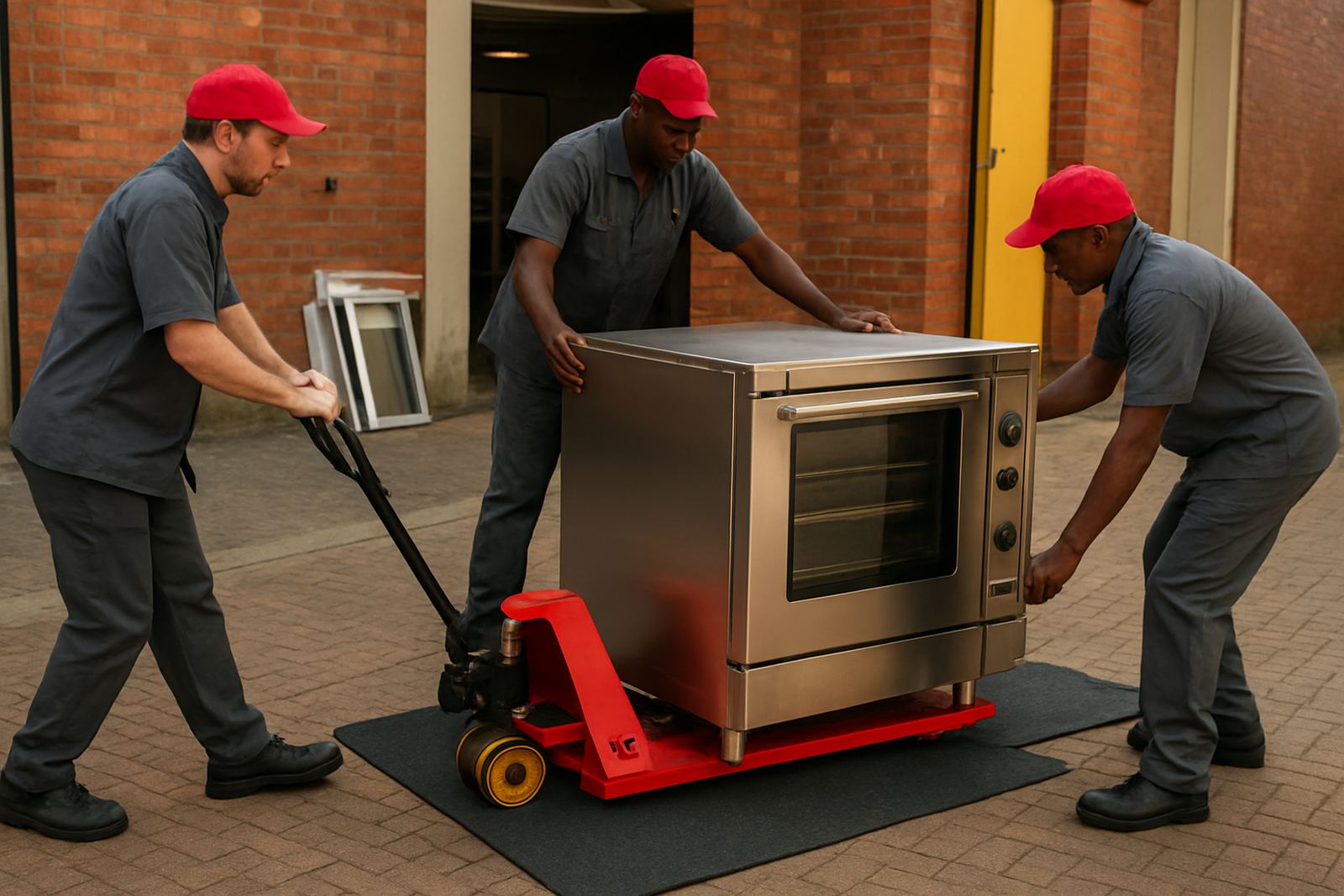
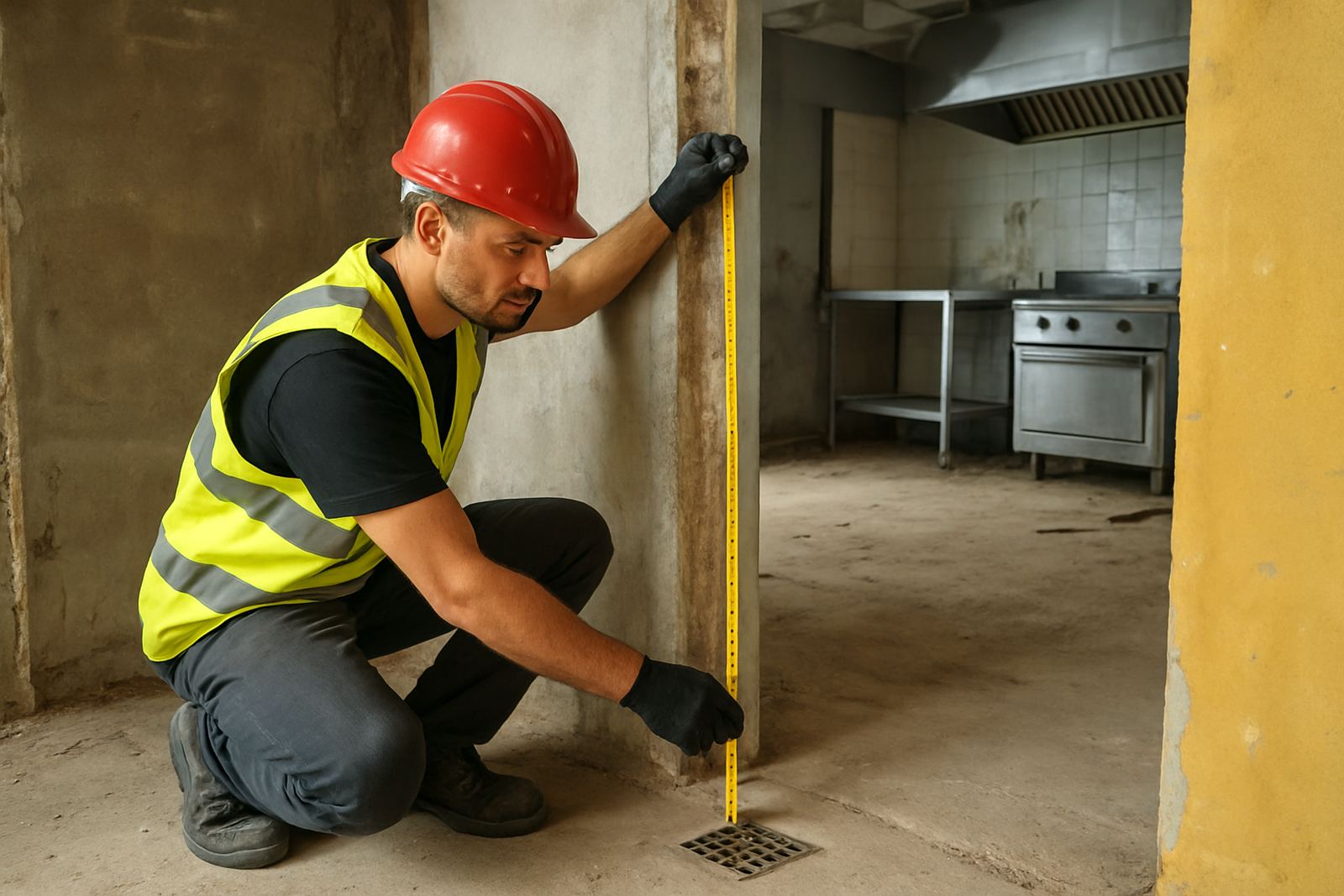
We start with a site survey or a review of your existing equipment list. From there, our team sets a maintenance plan with service intervals, access requirements and any shutdown windows needed to work safely. Priya Naidoo and Siyabonga Mkhize often handle the planning side, while Luyanda Zungu coordinates service work and Jared Pillay manages installation access where equipment must be moved or isolated.
Before the visit, we confirm the kitchen schedule, utility points, off-load areas and any hygiene rules for the building. This matters in hospitals and schools where work must be timed around meal preparation and cleaning cycles. We also check if municipal or landlord rules apply to extraction cleaning, waste removal or after-hours access.
- Site review and asset list confirmation
- Service scope and interval agreed in writing
- Access, isolation and shutdown planning
- Completion report with findings and next steps
Maintenance Intervals That Make Sense
The right interval depends on usage, heat, grease build-up, water quality and the local environment. In Durban’s humid coastal air, refrigeration condensers and stainless finishes can need more frequent attention than inland sites. A kitchen running two services a day will also wear faster than a day-time only operation. We help set a schedule that is practical, not overdone.
As a guide, lightly used prep and serving areas may be checked every 3 to 6 months, while busy production kitchens often benefit from monthly or quarterly visits. Refrigeration checks are usually more frequent where there are high ambient temperatures, frequent door openings or unstable power supply. If load-shedding is affecting your site, we can include checks on restart procedures and thermal recovery, since repeated power cuts put strain on compressors and controls.
- Monthly for high-use kitchens and critical refrigeration
- Quarterly for busy sites with mixed equipment loads
- Twice yearly for lighter-use kitchens and support areas
- Extra checks after power interruptions, renovations or peak season use
Turnaround, Reporting and Follow-Up Repairs
For planned maintenance, turnaround is usually fast because the work is scheduled and the equipment is already identified. Simple visits can often be completed in a single day, while larger kitchens or sites with multiple cold rooms and extraction runs may need staged work over 2 to 3 days. If we find a fault that needs parts, we will advise on lead time and whether the item should be taken out of service.
Every visit includes a summary of the condition found, what was serviced, what was adjusted and what should be repaired next. Where needed, we quote separately for breakdown repairs or replacement parts, so you can budget properly instead of being caught off guard. This helps facilities managers keep records for audits, hygiene inspections and internal maintenance planning.
- Same-day completion for many standard service visits
- Written findings after each visit
- Priority quote on any repair item found
- Maintenance history kept for repeat visits
Pricing Approach For Planned Maintenance
We price maintenance based on equipment count, access, site conditions and the level of servicing required. A small kitchen with a few key items will be priced differently from a hospital production area with refrigeration, extraction and back-of-house storage equipment. We can quote a once-off service or a scheduled maintenance agreement, depending on how often your site needs attention.
Where a site has older equipment, unstable power or higher corrosion risk, we may recommend a slightly heavier service plan because that is cheaper than repeated breakdown callouts. Our aim is to keep costs predictable and to help you avoid emergency repairs during service rushes, meal times or periods of staff shortage.
- Once-off planned service or scheduled contract pricing
- Quoted after equipment review and site assessment
- Parts, consumables and major repairs quoted separately
- Better budget control than repeated emergency call-outs
Key facts
| Base area | Glen Anil, Durban |
|---|---|
| Service region | Durban and KwaZulu-Natal |
| Typical visit length | Half day to 3 days depending on site size |
| Common intervals | Monthly, quarterly, 6-monthly |
| Equipment covered | Cooking, refrigeration, prep, storage and extraction |
| Our contact form |