Fast response for kitchen faults that cannot wait
A breakdown in a busy kitchen is never just one item off the line. It can slow service, spoil stock, force menu changes and put pressure on staff. We respond to faults on cooking, food-prep, storage and refrigeration equipment used in restaurants, hospitals, canteens and other food-service sites from Glen Anil through Durban North, Umhlanga, Pinetown, Ballito and Pietermaritzburg.
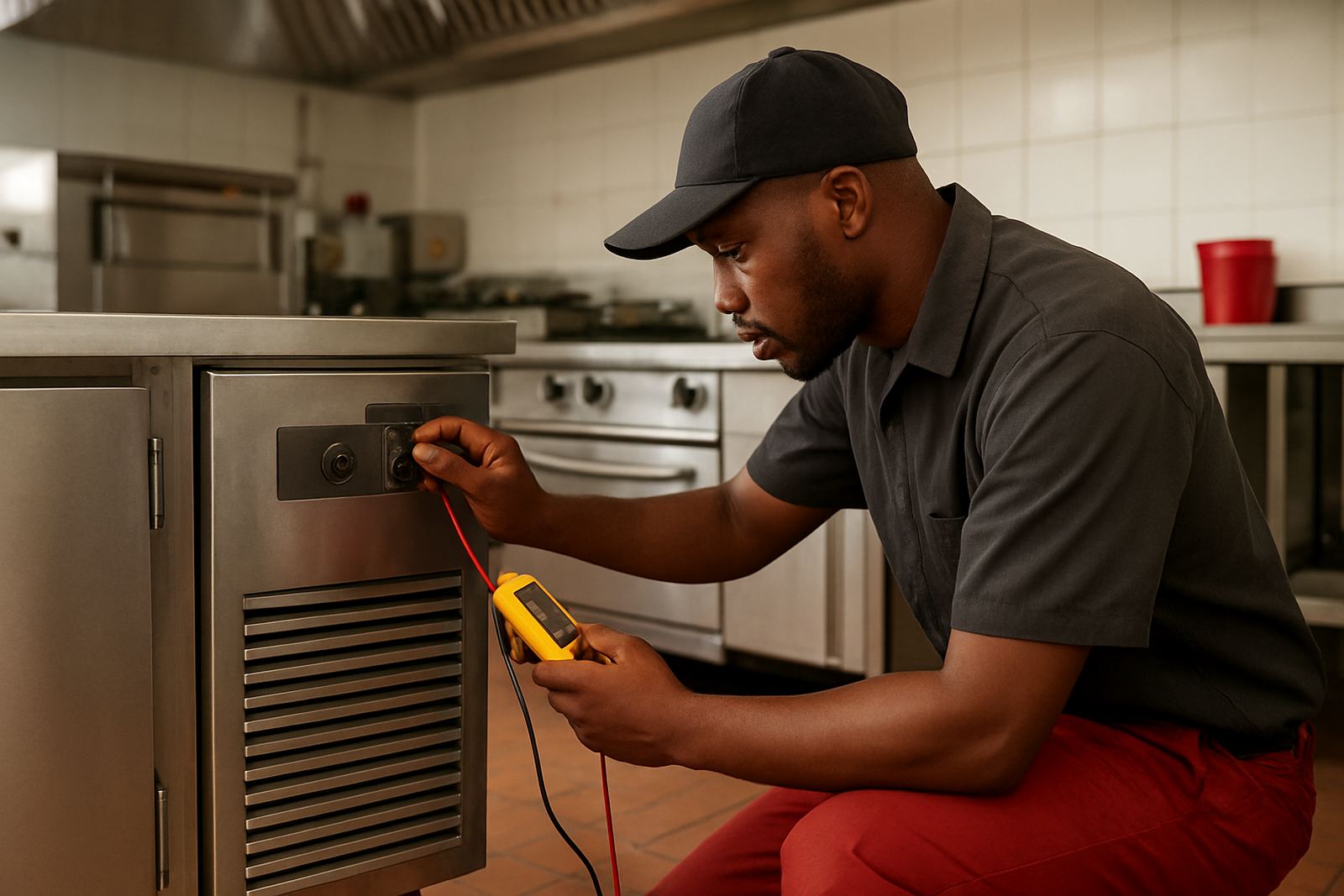
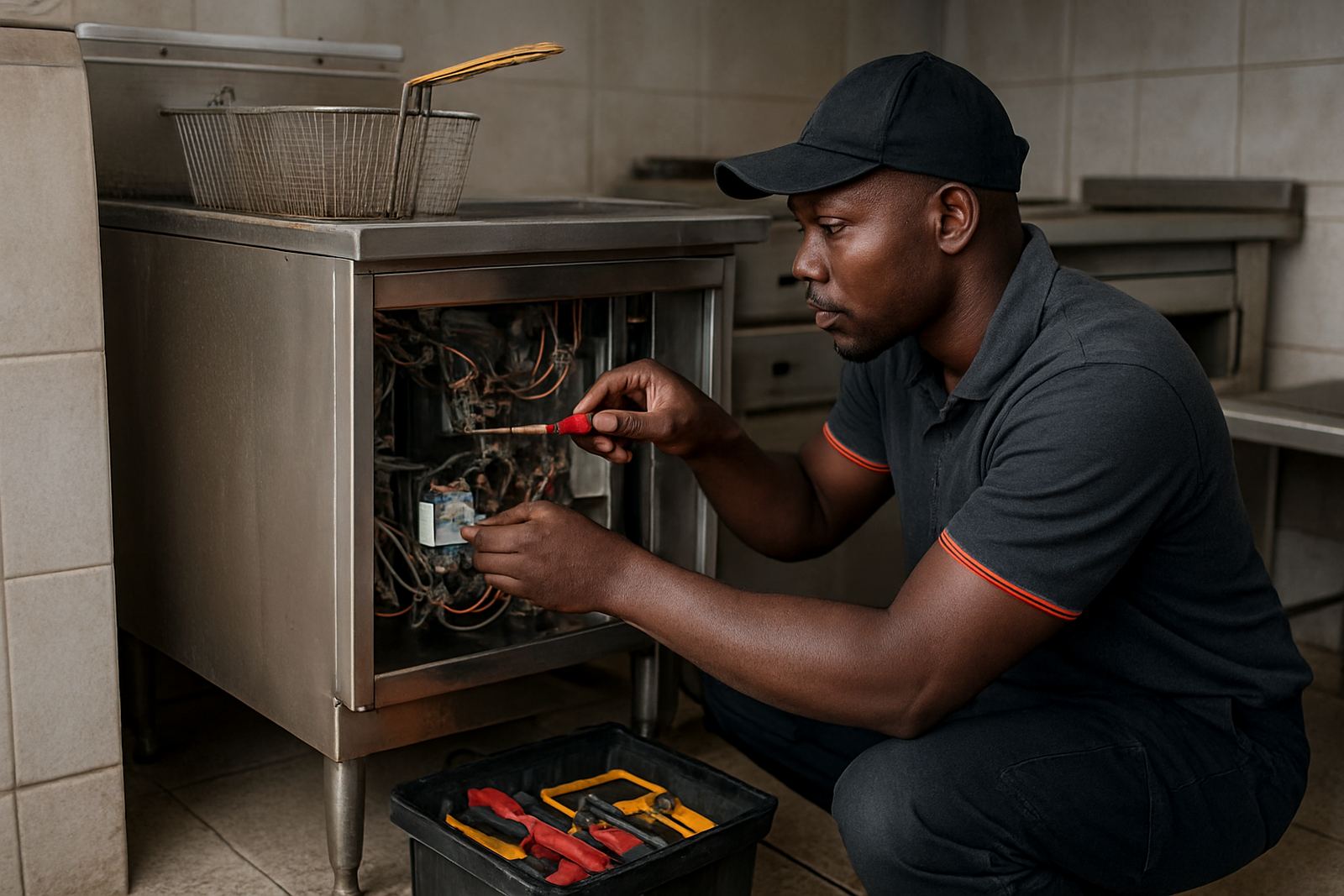
Our repair work starts with a clear callout process and honest fault finding. We look for the cause, not only the symptom, so a failed thermostat, burnt contactor, worn seal or blocked drain does not become a repeat problem two days later. In coastal areas like Durban and Umhlanga, humidity and salt air can speed up corrosion on terminals, hinges and fan parts, so we also check for early wear that can cause another stop-start failure.
- Cooking equipment faults on ovens, hotplates, grills and bain-maries
- Prep equipment issues on slicers, mixers, processors and cutting units
- Refrigeration faults on fridges, freezers, prep counters and cold rooms
- Electrical, mechanical and control system troubleshooting
What our breakdown repair service includes
We repair a wide range of commercial kitchen equipment, from single-unit fixes to multi-item callouts. Depending on the fault, we can attend on site, isolate the problem, replace worn parts and test the unit back into service. Where equipment needs deeper workshop attention or specialist fabrication, we explain the next step before work continues.
Our service is built for kitchens that run long hours and cannot afford guesswork. We check supply voltage, power isolation, gas safety points where applicable, refrigerant-related symptoms and wear on high-use components. During load-shedding, equipment often trips, restarts badly or suffers from low-voltage conditions, so we also inspect for damage caused by power interruptions and unstable supply.
- Diagnosis of intermittent faults and complete failures
- Replacement of common wear parts, switches, probes and controls
- Repair of doors, hinges, seals, trays, fans and drainage parts
- Resetting, testing and returning equipment to safe working order
- Reporting on repeat-fault risks and any follow-up maintenance needed
How the repair process works on site
We keep the process simple so your team knows what happens next. Once you log a breakdown, we gather the key details about the equipment, symptoms, age and urgency. That helps us plan the right technician, tools and parts before we arrive. If the problem affects food safety, stock holding or service, we prioritise the visit accordingly.
On site, our team isolates the unit, carries out visual and electrical checks, and confirms whether the fault is local to one component or linked to a broader issue such as drainage, airflow, overloading or power quality. After repair, we test the unit under operating conditions where possible. For refrigeration, that means checking temperature pull-down, fan operation, compressor start-up and door seals. For cooking gear, we verify heat-up time, controls, element performance and safety cut-outs.
- Step 1: Log the fault and share equipment details
- Step 2: Site attendance and fault confirmation
- Step 3: Repair, part replacement or temporary make-safe
- Step 4: Testing, handover and basic user guidance
Turnaround times and practical priorities
Turnaround depends on the fault type, access to parts and the condition of the equipment. Simple repairs can often be handled during the first visit if the issue is clear and the required part is available. More involved refrigeration faults, control board issues or badly worn components may need ordering time. We always aim to keep you informed so there are no surprises.
For busy kitchens, we focus on restoring essential functions first. That may mean getting one oven bay back in use, restoring the main cold room, or repairing a critical prep machine so the line can keep moving. In a hospital or large canteen, that priority can make the difference between normal service and major disruption. If a temporary make-safe is needed while parts are sourced, we discuss that option where it is safe and practical.
- Emergency attention for food safety and service-critical faults
- Same-visit repair where parts and access allow
- Clear advice when replacement is more sensible than repeated repair
- Support across Durban, Pietermaritzburg, Pinetown and the North Coast
Pricing that is clear before work continues
Our pricing approach is straightforward. Callout work is quoted according to site location, equipment type, fault complexity and whether parts are needed. If the repair can be completed within the first visit, we explain the labour and materials involved before proceeding. If further stripping down or special parts are required, we give an update so you can approve the next step.
We do not push unnecessary replacement. If a unit can be repaired safely and cost-effectively, we will say so. If it is repeatedly failing, badly corroded or no longer worth the repair cost, we will give a practical opinion on replacement. That matters in coastal KZN where cheap fixes can become expensive if the root cause is not dealt with. A freezer with a damaged door seal, for example, can run harder, use more power and fail again sooner.
- Quoted labour and parts before extra work continues
- Options for repair, make-safe or replacement advice
- No hidden extras for straightforward jobs
- Fair pricing on repeat-call prevention work
Maintenance intervals that reduce repeat breakdowns
Breakdown repairs work best when they sit alongside planned maintenance. For most busy kitchens, we recommend checking critical cooking and refrigeration equipment every 3 to 6 months, with heavier-use sites sometimes needing shorter intervals. Hospitals, canteens and high-volume restaurants often benefit from a tighter schedule because equipment runs longer hours and takes more strain from constant opening, cleaning and power interruptions.
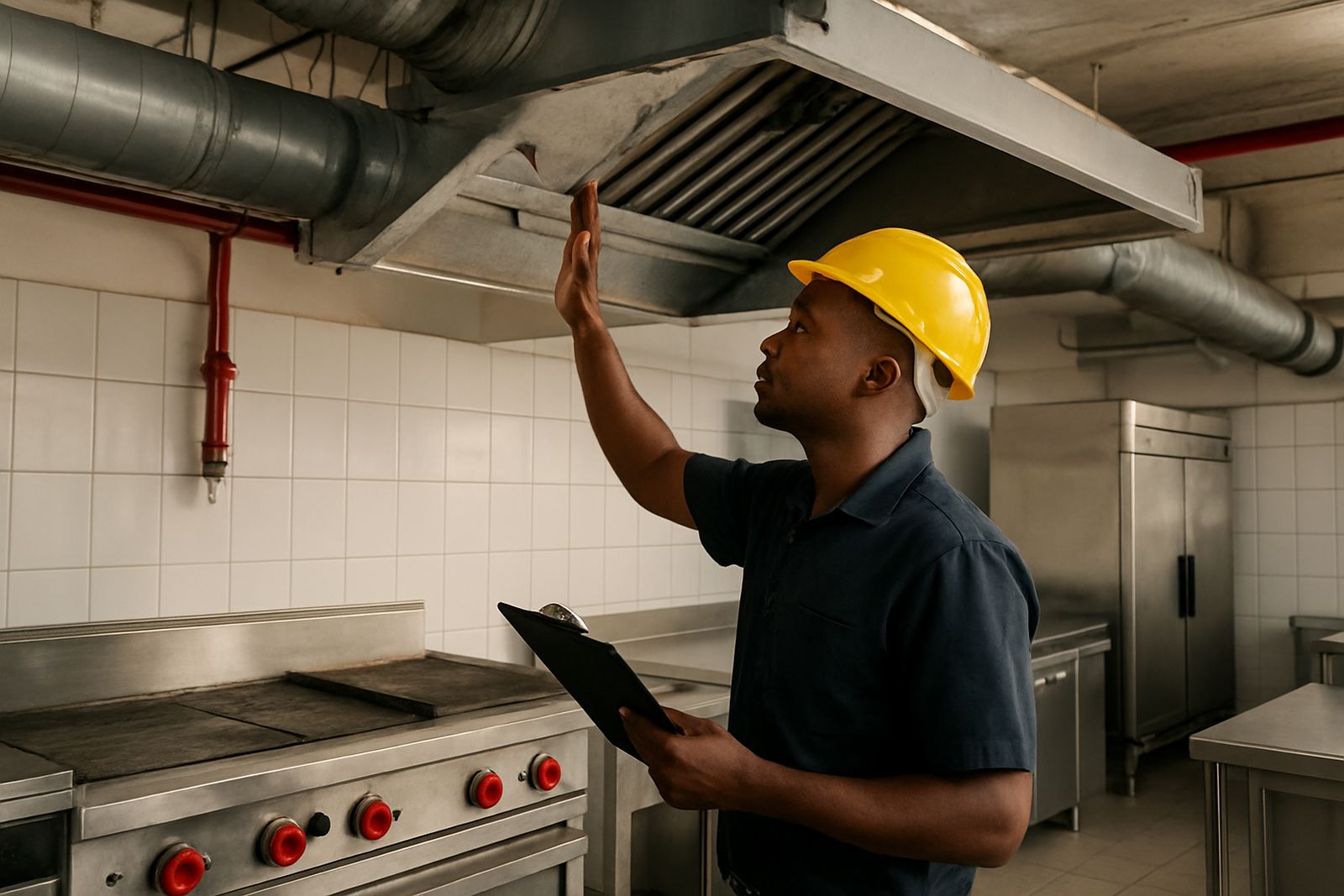
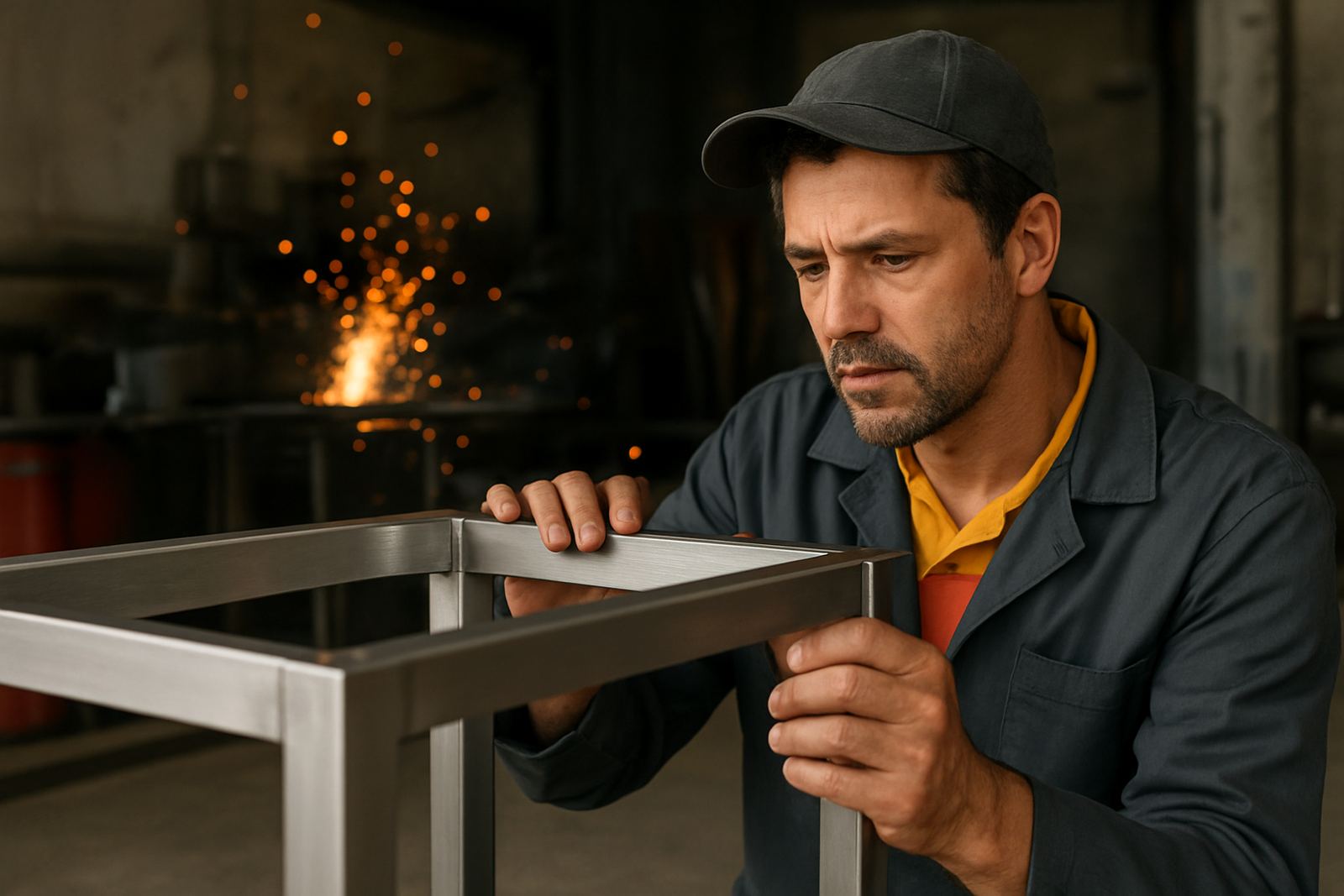
During these visits we look at items that usually fail without warning: door seals, fans, drainage, thermostats, relays, contactors, heating elements, condensers and worn cables. We also inspect stainless surfaces, hinges and mounting points where moisture or cleaning chemicals may be causing early corrosion. Preventive checks cost less than a midnight breakdown, and they help kitchens plan around seasonal pressure, staff changes and municipal or power-related disruption.
- Quarterly checks for high-use equipment
- Six-monthly checks for lower-use sites
- More frequent visits for coastal kitchens and refrigeration-heavy sites
- Condition reports to help plan repairs before they become urgent
Key facts
| Service area | Glen Anil, Durban North, Umhlanga, Pinetown, Ballito, Pietermaritzburg and wider KZN |
|---|---|
| Equipment covered | Cooking, food-prep, storage and refrigeration equipment |
| Response type | On-site diagnosis, repair, make-safe and testing |
| Typical fault checks | Electrical, mechanical, refrigeration, drainage and control issues |
| Maintenance interval | 3 to 6 months depending on usage and site conditions |
| Contact | Our contact form |