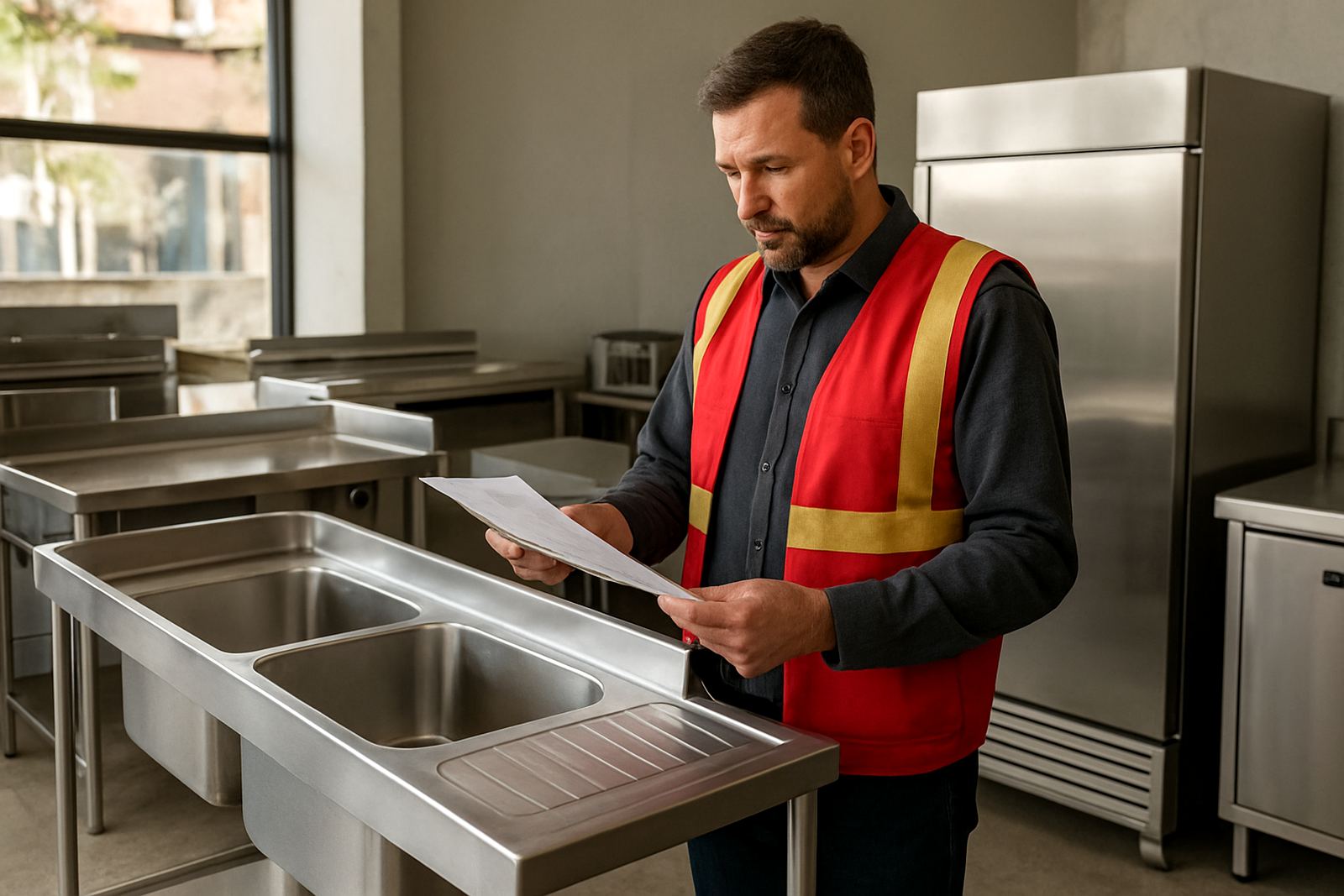
What Our Equipment Specification Covers
Equipment specification is where a kitchen starts paying its way. We look at the menu, cover count, service style, peak trading times and the space you actually have, then match each item to the workload. That includes cooking equipment, cold storage, prep tables, wash-up gear, holding cabinets and the stainless items needed to keep the flow moving.
For Durban and KwaZulu-Natal sites, we also check conditions that affect equipment life, such as coastal humidity, salt air near the coast, hard-working prep areas and load-shedding. A fryer or chiller that looks right on paper may still fail the job if the electrical load, heat output or ventilation are not sorted at the start.
- Cooking lines sized to service volumes and menu mix
- Refrigeration selected for product type, ambient temperature and door opening frequency
- Prep and wash-up equipment set to the workflow and hygiene plan
- Stainless fabrication items matched to cleaning routines and available wall space
How We Match Equipment To Your Output
We start by understanding what must be produced every hour, not just what must fit into the room. A 60-seater restaurant, a hospital ward kitchen and a school canteen all need very different specifications even when the floor area is similar. We calculate capacity around the busiest period, then allow for safe working room, cleaning access and future expansion.
Where possible we keep the schedule practical for local utilities. If power supply is limited, we may reduce electric loads and move more of the work to gas or to lower-demand equipment. If water pressure is inconsistent, we specify wash-up and ice equipment carefully. If the space is tight, we can rework the layout so the line does not clog up during service.
- Output review by meal period, batch size and service timing
- Utility check for power, gas, water and drainage
- Floor area review for circulation, doors and service access
- Ventilation and heat-load check for extractor planning
The Specification Process From Survey To Schedule
Our process is structured so you know what is being selected and why. Priya Naidoo leads the kitchen design side, with site input from Siyabonga Mkhize and installation advice from Luyanda Zungu and Jared Pillay. That means the schedule is not only drawn correctly, but also practical for delivery, installation and servicing on site.
We normally begin with a site survey in Glen Anil, Durban North, Umhlanga, Pinetown, Ballito or Pietermaritzburg, depending on where the kitchen is located. We note access routes, ceiling heights, service points, drain falls, wall finishes and existing equipment. Then we prepare the equipment schedule with dimensions, utility ratings and notes for installation.
- Initial brief and menu discussion
- Site survey and utility check
- Draft equipment schedule with dimensions and ratings
- Client review and revisions where needed
- Final specification for ordering and installation
Key Specification Details We Record
Every item in the schedule is listed with enough detail to avoid ordering mistakes or site delays. For example, a fridge is not just a fridge. We note whether it is upright or undercounter, the internal temperature range required, the number of doors, the shelf arrangement and whether the unit must suit high ambient conditions common in coastal KZN. The same applies to cooking and prep gear, where clear sizing stops expensive changes later.
Where the project needs custom stainless fabrication, we record sink bowl sizes, splashback heights, under-shelf clearance, leg frames and drainage points. We also flag service clearances so maintenance can be done without pulling half the line apart. That saves time when equipment needs cleaning, gas checks or breakdown repairs later on.
- Overall dimensions in millimetres
- Electrical load, gas consumption and water connection points
- Material finish, shelf type and door swing
- Operating temperature range and holding capacity
- Cleaning access and service clearances
Turnaround, Pricing And Approval
Turnaround depends on the size of the kitchen and how much existing information is available. A straightforward schedule for a small restaurant may be turned around quickly, while a full hospital, canteen or multi-zone kitchen needs more time because the equipment has to line up with several service points and user groups. We keep the process moving by confirming the brief early and avoiding guesswork.
Our pricing approach is straightforward. Smaller specification jobs can be quoted as a fixed project fee, while larger fit-outs or renovations are priced according to survey time, drawing time, coordination and the level of equipment detail required. If the project is being built in phases, we can separate the specification into stages so the client does not pay for items not needed yet.
- Fixed fee for defined scopes
- Stage-based pricing for phased projects
- Allowances for revisions after brief changes
- Clear notes on excluded items and owner-supplied equipment
Maintenance Intervals And After-Spec Support
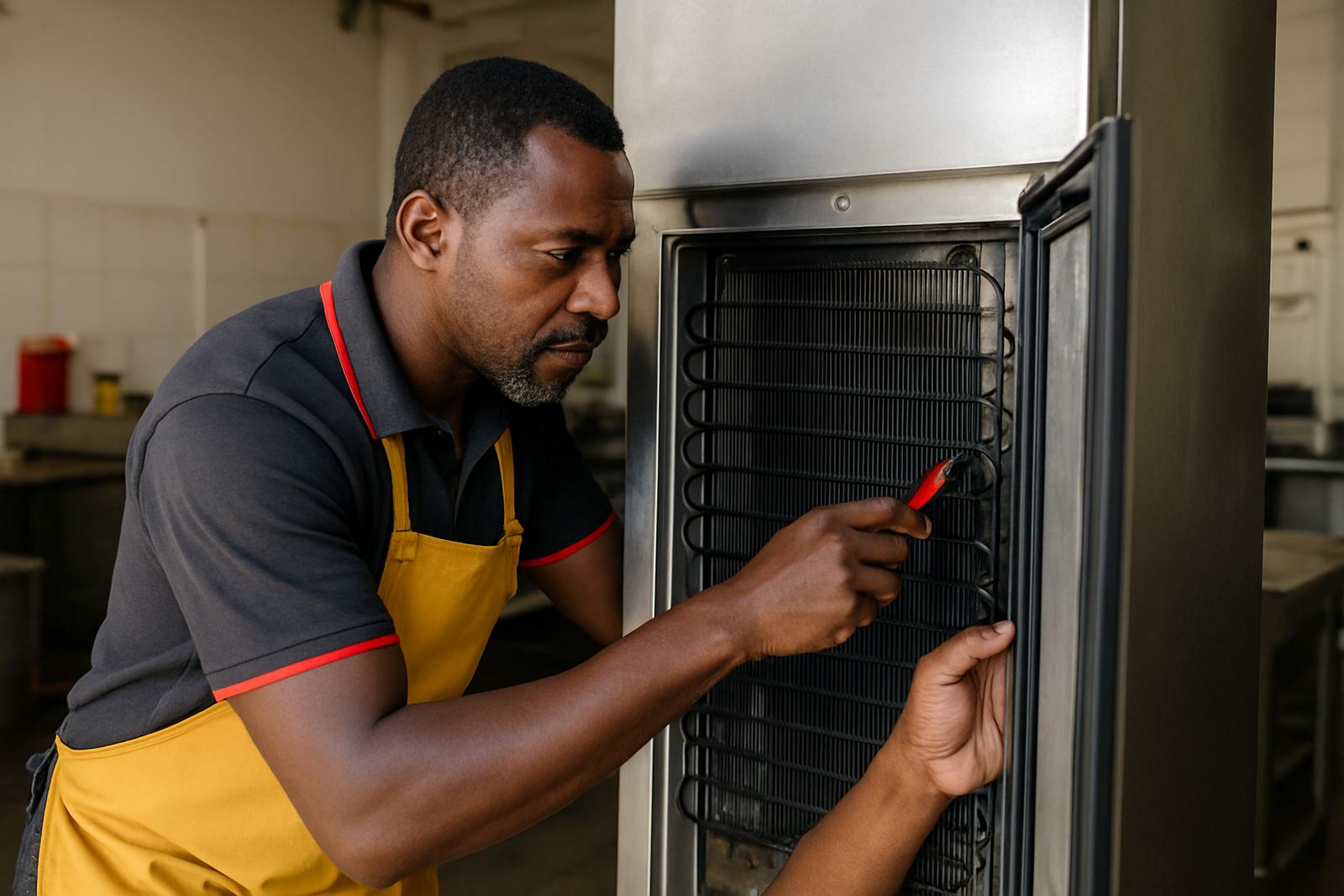
A good specification should still make sense after months of use. We build maintenance thinking into the schedule so filters, seals, burners, refrigeration coils and moving parts remain serviceable. In Durban’s humidity, neglected refrigeration and stainless finishes can deteriorate faster than expected, especially if cleaning routines are not matched to the equipment.
We can recommend preventive maintenance intervals according to the equipment type and duty cycle. Heavy-use cooking lines may need monthly inspection, refrigeration often benefits from quarterly checks, and smaller prep items can be serviced on a six-month cycle. If the site is exposed to load-shedding or generator changeover, we also note what should be monitored more often so breakdowns are caught early.
- Monthly checks for high-use cooking equipment
- Quarterly checks for refrigeration and controls
- Six-month servicing for lighter-use prep and storage items
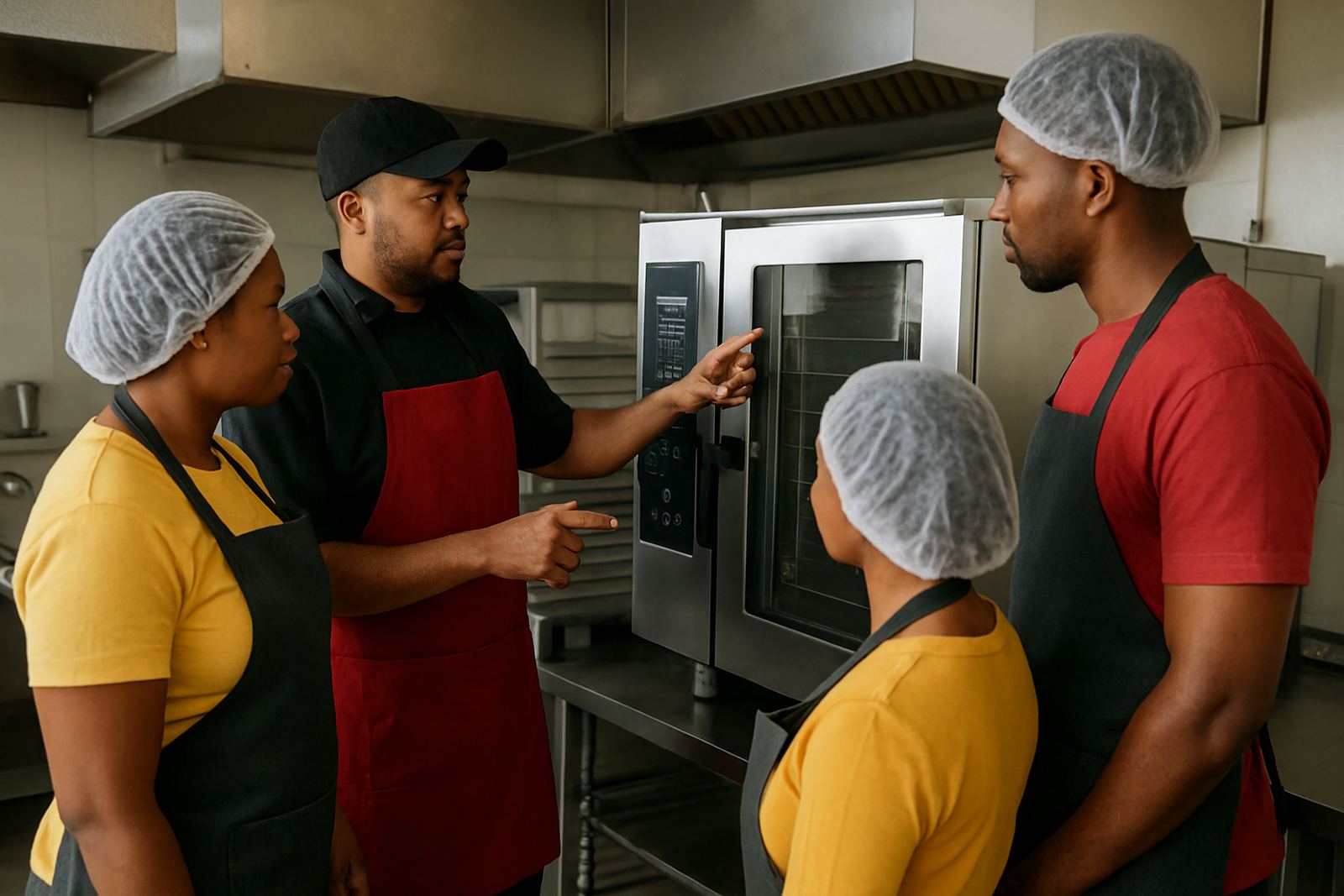
- Training for staff on cleaning, shut-down and basic fault reporting
Who We Specify For Across KZN
We work with restaurant owners, caterers, hospitals, schools, retirement facilities and staff canteen operators across Durban and KwaZulu-Natal. Some projects need compact, high-output equipment for tight city sites, while others need larger prep and storage capacity for institutions with set meal times and bulk production. Our team includes Mandla Sibusiso Dlamini, Annelise van Wyk and the rest of the Glen Anil office crew, so the specification, ordering and installation chain stays practical from the start.
If you need equipment that matches the real work in your kitchen, not just the floor plan, we can prepare a schedule that is clear, serviceable and ready for procurement. That usually saves rework, wasted space and a few expensive wrong orders, which is never a bad thing.
Key facts
| Output-based sizing | Matched to meals per service, batch production and peak-hour demand |
|---|---|
| Utility review | Checks for power, gas, water, drainage and ventilation before final selection |
| Typical equipment | Ranges, ovens, fryers, grills, fridges, freezers, prep tables, sinks and holding units |
| Dimension control | All major items listed in millimetres with service clearances noted |
| Environment factors | Allows for coastal humidity, heat load and load-shedding conditions |
| Maintenance planning | Service intervals and cleaning notes built into the equipment schedule |