
What a stainless prep table does in a working kitchen
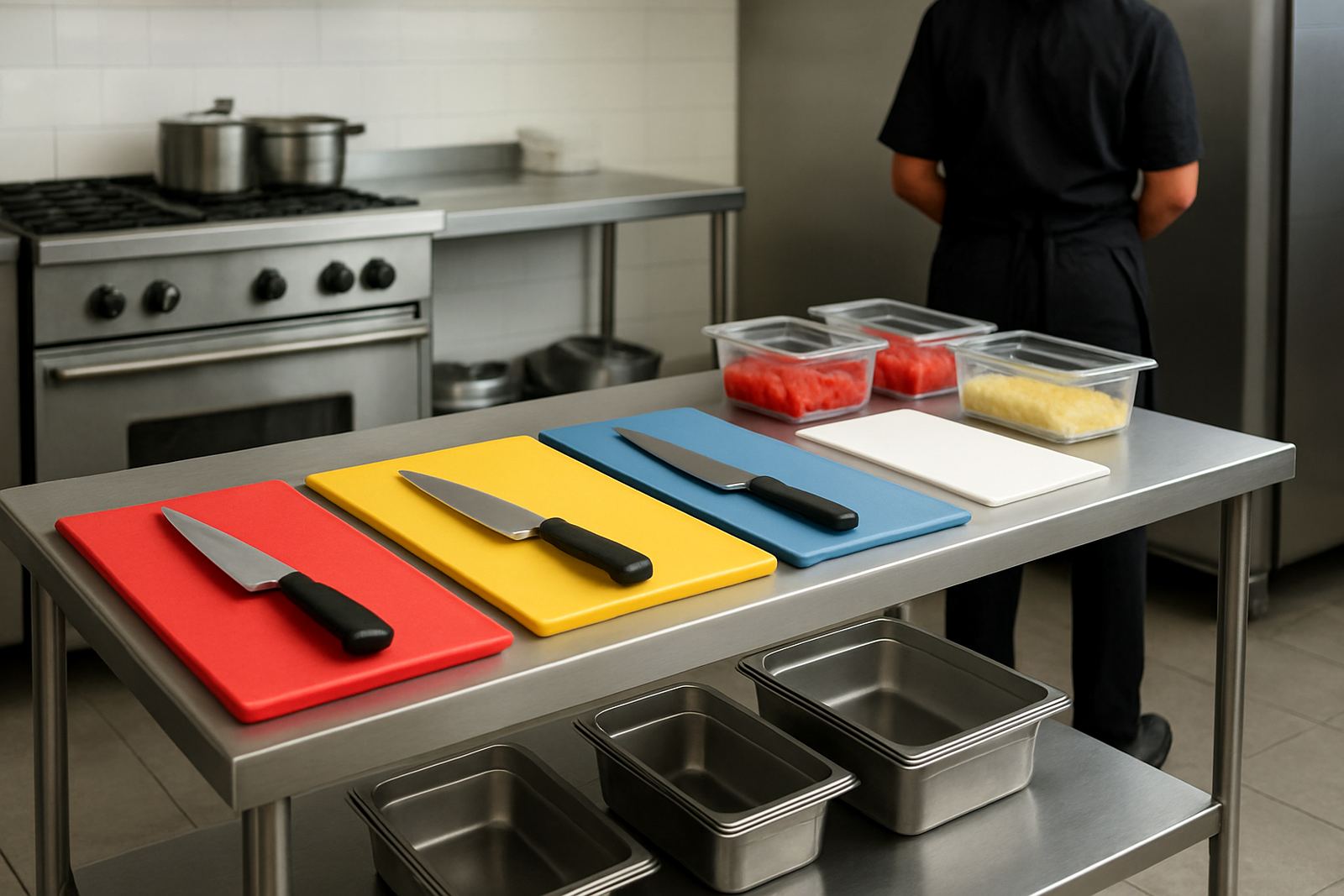
A prep table gives staff a dedicated surface for daily food preparation. In a busy kitchen that means chopping vegetables, trimming meat, plating cold items, portioning sauces, packing trays, or assembling sandwiches away from the cooking line. Stainless steel is the usual choice because it handles washdown, resists food stains, and stands up to humid coastal conditions in Durban and Umhlanga.
These tables are built for practical use rather than display. The worktop is smooth and easy to sanitise, with square or rolled edges depending on the job. For most food rooms we recommend 304 grade stainless steel for better corrosion resistance, especially where the kitchen runs near the coast or where the table will be washed down often.
Standard sizes, shelf options and useful extras
Prep tables are available in common lengths from 900 mm to 2400 mm, with widths typically from 600 mm to 750 mm. Standard working height is around 850 mm to 900 mm, though this can be adjusted to suit staff and the rest of the line. We can supply plain top tables, tables with undershelves, tables with drawer packs, or units with splashbacks at the rear and sides.
Popular options include:
- Flat top prep tables for general chopping and assembly work
- Tables with a 100 mm or 150 mm splashback for wall placement
- Undershelves for bowls, containers and dry store items
- Overshelves for ingredients or small equipment
- Cut-outs or left and right sink returns where the layout needs it
- Lockable castors for mobile service and cleaning access
If your kitchen is tight on space, a made-to-measure table can save a lot of movement. In some jobs a 1200 mm table is enough, in others you need a long run to keep prep separate from hot food. It depends on your menu and staff flow.
Where prep tables fit best
These tables suit restaurants, school and hospital kitchens, canteens, bakeries, delis and food production rooms. They are also useful in butcheries, takeaway kitchens and central kitchens where food moves through several stages before service. In hospital and school kitchens, prep tables help with separation between raw food and ready-to-serve items, which is important for hygiene and compliance.
For coastal sites in Ballito, Durban North and Umhlanga, stainless prep tables hold up better than painted or mild steel furniture. In inland areas like Pietermaritzburg and Pinetown, they are just as practical because they are easy to keep clean during rush periods and less likely to suffer water damage. If a table will be used next to a fryer line or near steam, we can advise on extra bracing and stronger leg supports.
- Front of house back prep areas
- Commissary and production kitchens
- School feeding and hospital tray kitchens
- Cold room entry points and packing stations
- Vegetable prep, garnish prep and butchery areas
Installation, spacing and power or gas considerations
A prep table itself does not need power or gas, which makes it simple to place and move. What matters is the surrounding layout. Staff need enough room to stand, reach ingredients, and pass trays without bumping into doors or equipment. As a rule, leave clear walking space around the table and avoid tight corners where trolleys or crates will block access.
When a prep table is part of a full kitchen fit-out, we look at the flow from storage to wash-up to cooking. That way the table sits in the right spot for the job and not just where there is an empty wall. If the table is being installed beside a sink, fridge, cold room or extractor line, we check for splash zones, door swing and cleaning access. We also make sure wall fixings, floor level and leg adjustments are sorted on site, especially where older buildings in Durban have uneven floors.
For fitted tables with shelves or undercounter storage, the load must be spread evenly. A heavy table can be set up against a wall or used free standing, but it must be stable. If the site has load-shedding issues, a prep table is a safe non-powered station for sorting and batch work when refrigeration and cooking equipment are being managed in stages.
How to keep the table clean and serviceable
Stainless prep tables need regular cleaning with food-safe detergent, warm water and a soft cloth. Wipe in the grain where possible, then dry the surface to avoid marks and standing water. Avoid harsh abrasive pads and strong chloride products that can dull the finish over time. In a busy kitchen, quick cleaning after every task is better than waiting until the end of the shift.
Service is usually straightforward. Check the leg adjusters, shelf fixings and any welded joints during routine maintenance. If the table has castors, make sure the brakes hold properly and the wheels are not packed with flour, grease or debris. In coastal kitchens, small rust spots can appear if the table is scratched and left wet, so touch-up cleaning matters. A little care keeps the unit looking tidy and working well for years.
We can also assist with replacement parts, re-leveling after floor changes, and repairs where a table has been bent during delivery or site work. Keeping prep furniture in order helps the whole kitchen run better, and avoids avoidable delays before service.
What to check before you order
Before placing an order, measure the available wall length, the aisle space in front of the table and the height you need for safe working. Check whether the table must sit under a window, against tiles, beside a sink or in a colder room. It also helps to know what will be stored on the lower shelf and whether the surface will handle chopping only or heavier assembly work.
Useful details to have ready include:
- Overall length, width and height required
- Whether you need 304 or 430 grade stainless steel
- Plain top, splashback, undershelf or drawers
- Free standing or wall placed installation
- Any need for castors, bolt-down feet or reinforced framing
- Delivery access, stairways and doorway widths at the site
If the table is part of a larger kitchen project, we can match it to your counters, sinks, fridges and cooking line so the room works as one unit. That saves time during installation and makes training easier for staff.
Local supply, fitment and after-sales support from Glen Anil
KZN Catering Equipment is based in Glen Anil, Durban, and works across Durban North, Umhlanga, Pinetown, Ballito and Pietermaritzburg. Our team handles kitchen layouts, equipment specification, site surveys, extractor planning, stainless fabrication, installation, commissioning, preventive maintenance, breakdown repairs and staff training. That means we can supply a prep table on its own, or include it in a complete kitchen package.
Led by Mandla Sibusiso Dlamini, with support from Priya Naidoo, Siyabonga Mkhize, Annelise van Wyk, Luyanda Zungu and Jared Pillay, we keep the process practical from first measure-up to handover. If your site needs a straight replacement, a custom size, or a table to fit around an existing kitchen line, we can advise on the best fit and arrange supply to suit the job. A good prep table does not just fill space, it helps the kitchen move faster and cleaner every day.
Key facts
| Material | 304 or 430 grade stainless steel |
|---|---|
| Common sizes | 900 mm to 2400 mm long, 600 mm to 750 mm wide |
| Working height | 850 mm to 900 mm standard, adjustable on site |
| Options | Plain top, undershelf, splashback, drawers, castors |
| Use | Chopping, portioning, plating and assembly |
| Care | Wash with food-safe detergent, rinse and dry after use |