
Why a blast chiller matters in busy kitchens
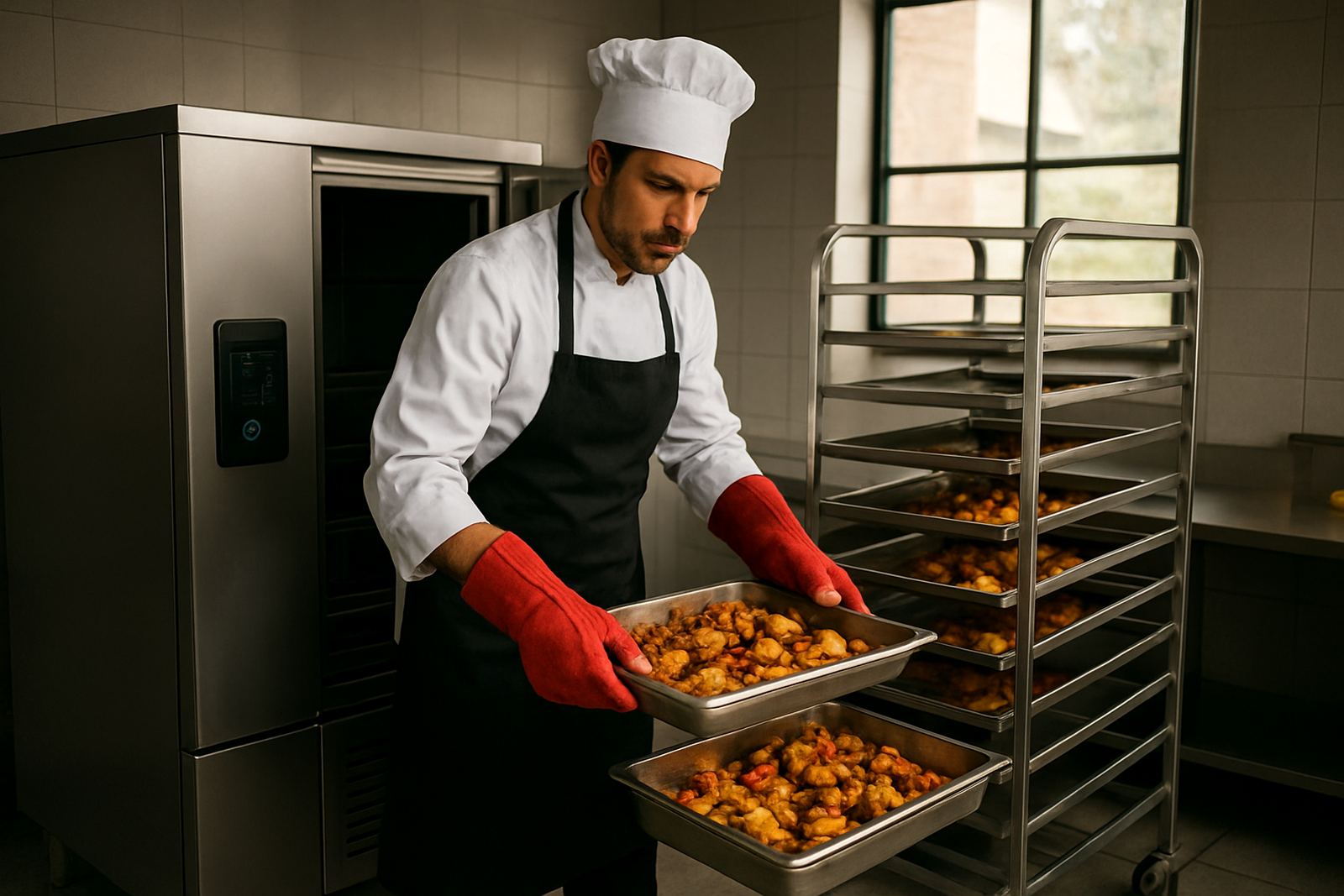
A blast chiller is not just another cold room item. It is used after cooking to bring food through the danger zone quickly, so you can move from hot prep to chilled storage without long delays. That matters where food is cooked in batches, where meals are plated for later service, and where compliance checks are strict.
In Durban kitchens, especially near the coast, a blast chiller also helps keep product quality steadier when ambient temperatures and humidity are high. It is useful for sauces, soups, cooked proteins, baked items and pre-portioned meals. If you are feeding a hospital ward, school, hotel buffet or staff canteen, the control it gives you saves time and waste.
- Fast cooling from cook temperature to safe chilled holding
- Better texture and shelf life for prepared food
- Cleaner batch production for service later in the day
- Supports HACCP style food safety controls
Typical sizes and format options
Blast chillers are available as compact undercounter units, upright cabinets and trolley or rack style units for higher output kitchens. The right size depends on how much food you need to chill per cycle and whether you are chilling trays, gastronorm pans or plated meals. A small restaurant may only need a 3 tray or 5 tray unit, while a hospital kitchen or central production area may need 10 tray, 15 tray or larger capacity.
Some models are intended for hard daily use with heavier insulation and stronger door hardware. Others are better suited to limited output where floor space is tight. We help match the cabinet footprint, tray spacing and cycle performance to the work pattern, because an oversized unit can waste space and an undersized one becomes a bottleneck.
- Undercounter units for smaller prep rooms
- Upright cabinets for medium production kitchens
- Trolley loading models for batch kitchens and institutions
- Choice of tray counts, internal guides and probe control
Where blast chillers work best
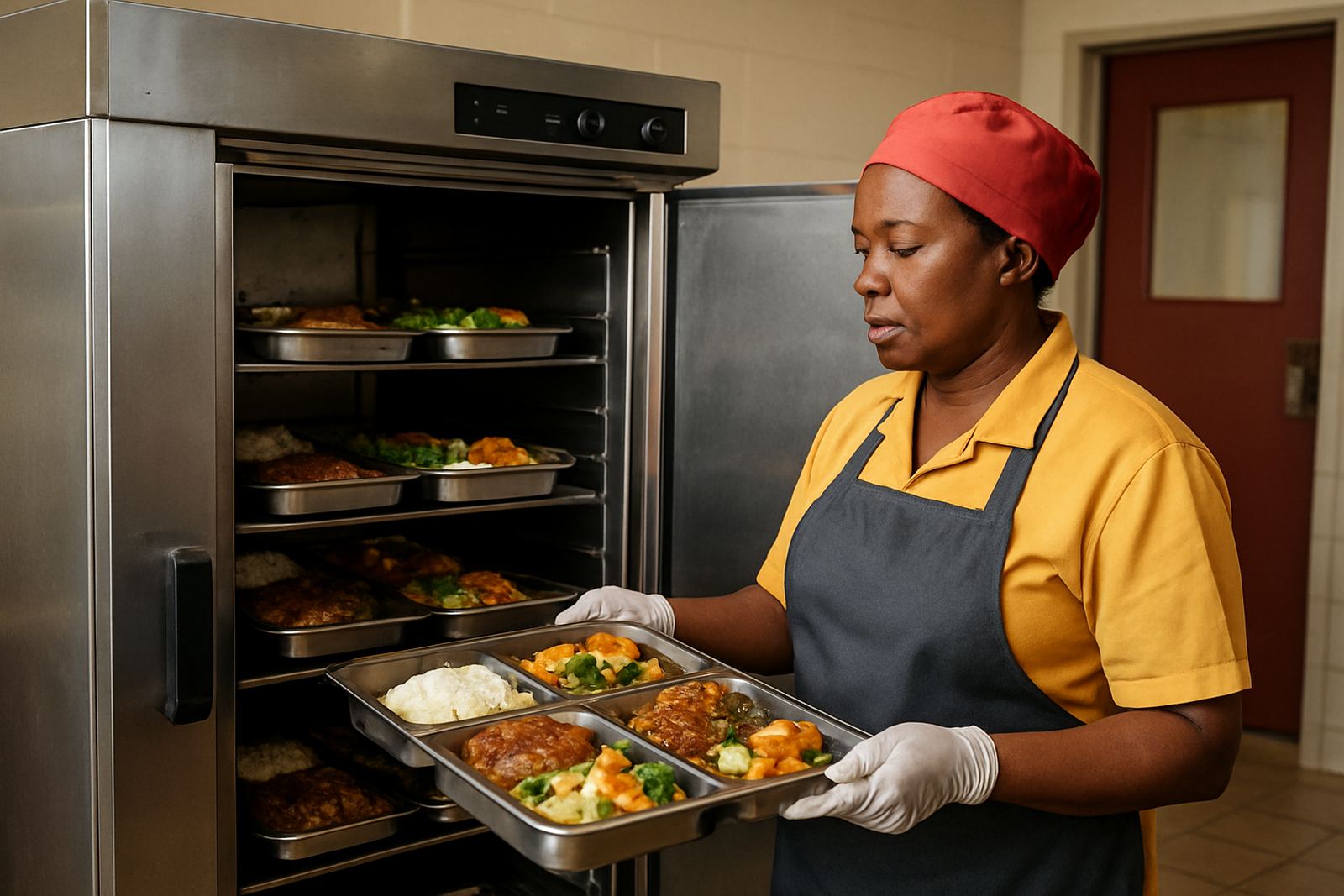
These units suit any operation that cooks ahead and serves later. In a restaurant they support mise en place and dessert prep. In a hospital they help with portion control and scheduled meal runs. In canteens and contract catering kitchens they reduce rush pressure at service times. They are also useful in bakeries and commissary kitchens where product consistency matters.
Where food must move between hot production and cold holding, a blast chiller is often the link that keeps the workflow legal and practical. It is especially helpful where municipal inspections, documented temperatures or internal food safety rules are part of the day to day process.
- Restaurants and hotel kitchens
- Hospitals, clinics and care facilities
- Schools, canteens and staff feeding kitchens
- Bakery prep, central production and commissary sites
Power, cooling and site requirements
Most blast chillers run on electricity and need a proper dedicated supply with correct protection at the distribution board. Smaller units often use single phase power, while larger commercial models may require three phase power. Exact requirements depend on the size, compressor load and whether the unit also has a freeze cycle. We confirm this before ordering so the site is ready.
For installation, the unit needs good air movement around the condenser area and a level base. In hot rooms or cramped prep areas, poor ventilation can affect pull down times and increase running costs. If the kitchen already has extractor issues or heat build-up from nearby cooking equipment, we plan the layout so the chiller is not fighting the room temperature.
- Single phase or three phase, depending on model
- Dedicated circuit and correct isolation
- Ventilation space around the cabinet and rear panel
- Drainage or condensate management where required
Cleaning, servicing and day to day care
Like any cold equipment, a blast chiller works better when the condenser, door seals and internal surfaces are kept clean. Spills should be wiped up straight away and trays should not block airflow inside the cabinet. Door seals need regular checking, especially in coastal areas where salt in the air can shorten service life if the unit is neglected.
Preventive maintenance is worth doing on a set schedule. That can include temperature checks, fan inspection, seal replacement, probe checks and cleaning of the refrigeration section. If the unit is used for many cycles in a day, planned servicing helps avoid breakdowns during service periods. A chiller that is running badly can spoil product quietly before anyone notices.
- Keep door seals clean and intact
- Do not overload trays or block air paths
- Schedule condenser cleaning and temperature checks
- Book repairs at the first sign of slow pull down times
What to check before you order
To specify the right blast chiller, we look at the food volumes, tray type, available floor space and the power supply on site. We also check whether the kitchen needs chilled storage straight after the cycle, or whether product will be transferred to another cold room. If the unit is going into a tight prep room, door swing and service access matter as much as capacity.
It helps to know what you chill most often, because not every cabinet handles pans, plated meals and trays in the same way. Share your expected load, your daily production times and any site restrictions such as limited ventilation or no spare three phase supply. That way we can specify a unit that fits the job instead of guessing.
- Food type and batch size
- Tray size, pan format and number of loads per day
- Single phase or three phase power available
- Available space, access route and ventilation limits
Key facts
| Product type | Commercial blast chiller for rapid food cooling |
|---|---|
| Capacity range | 3 tray to 15 tray and larger project units |
| Power supply | Single phase or three phase, model dependent |
| Temperature use | Rapid chilling and optional hard freeze cycles |
| Typical materials | Stainless steel cabinet and food safe internal finish |
| Applications | Restaurants, hospitals, canteens, bakeries and central kitchens |