
Ice machine options for daily service
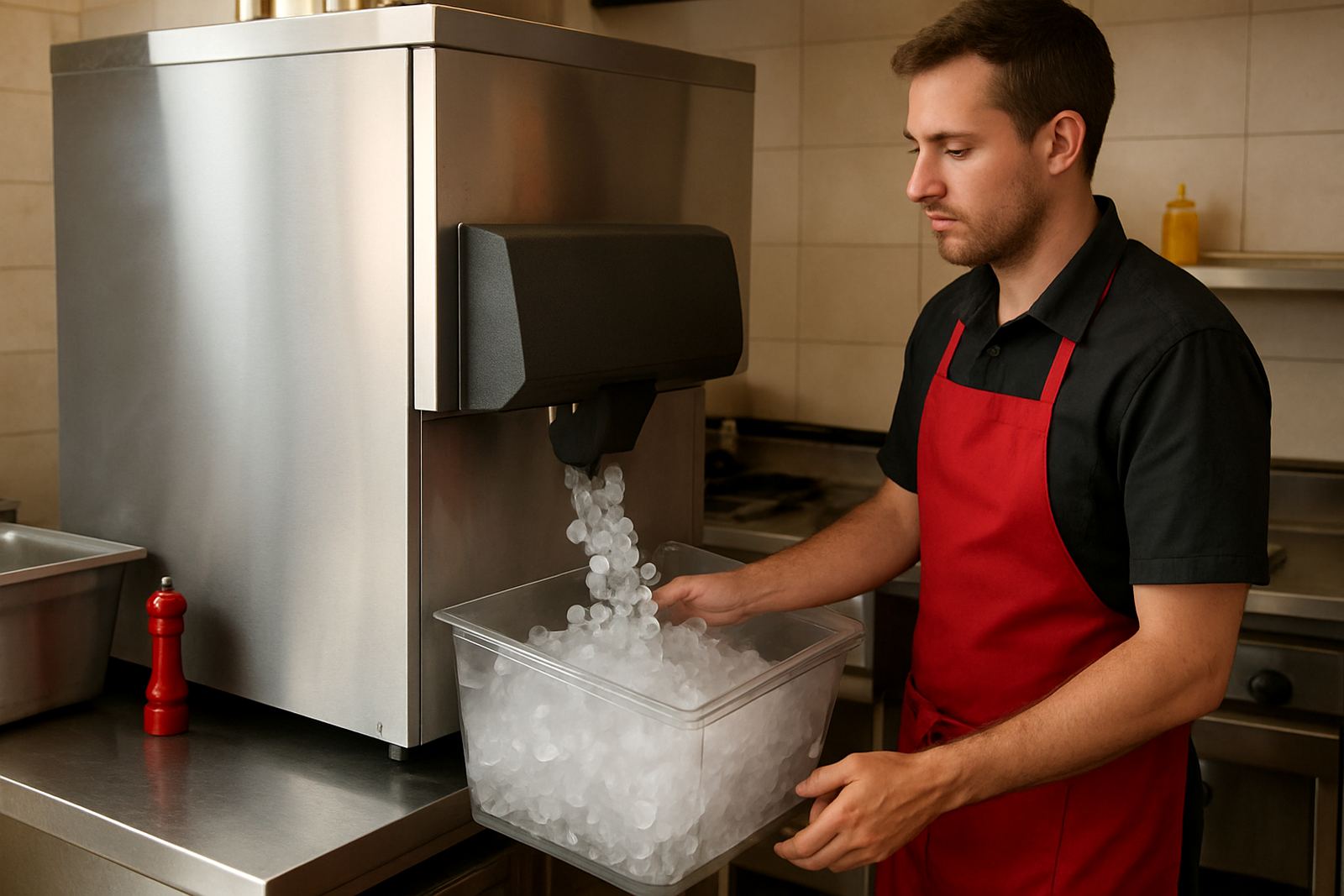
An ice machine is a commercial unit that makes ice on site, stores it in a bin or dispenser and keeps pace with service through the day. In bars it supports drinks service, in kitchens it helps with food holding and presentation, and in healthcare sites it is useful where cold product handling and patient service need a steady supply. For Durban conditions, the right machine also needs to cope with heat, humidity and the kind of power interruptions that can affect production and recovery time.
Most buyers choose between cube ice, half cube, nugget or flake style output depending on the use. Cube ice is common for beverages. Smaller cubes chill faster and use less water. Nugget ice is softer and suited to drinks counters. Flake ice is better for display trays, fresh fish, salads and certain medical or food-prep uses. If you are not sure, we normally match the ice form to the menu, service volume and available space rather than simply selling the biggest unit.
- Bar service and bottle stores
- Restaurants, hotels and function venues
- Hospitals, clinics and care facilities
- Canteens, school kitchens and staff feeding
- Food display, holding and prep areas
Sizes, output and storage choices
Ice machines are normally specified by daily production, not just tank size. A small undercounter unit may suit a bar or coffee point making 20 to 40 kg per day, while a larger modular machine can produce 100 kg, 200 kg or more per day for busy kitchens and venues. Storage bins vary as well, so the unit can keep up with peak periods without overfilling or melting stock in the bin.
When we specify a unit, we look at the busiest hour rather than the average day. A function venue in Umhlanga may need a bigger bin for evening service, while a hospital pantry may need a steadier output through the full shift. In coastal areas, we also allow for hotter ambient temperatures, which can reduce output if the machine is undersized or poorly ventilated.
- Undercounter units for tight spaces and front-of-house counters
- Modular heads with separate storage bins for higher output
- Air-cooled or water-cooled options depending on site conditions
- Compact units for backup or satellite service points
Where an ice machine suits best
Ice machines are used in places where cold drinks or cold holding matter every day. In Durban North and Ballito we often fit machines into bar counters, takeaway prep areas and hotel service stations. In Pietermaritzburg and Pinetown they are common in canteens, churches with feeding programmes and institutional kitchens where ice is needed for food pans, chilled water or service trays.
Healthcare sites often need a cleaner, more controlled arrangement with a machine that is easy to service and simple to keep away from dirt and splash zones. For food holding, the machine should sit close to the area where ice is used, but not where steam, frying heat or direct sun will affect it. Good location makes a real difference to performance and to how often the machine needs cleaning.
- Bars and cocktail stations
- Restaurants and hotels
- Hospitals, clinics and nursing facilities
- Canteens, school kitchens and catering points
- Fish counters and chilled display use
Installation, water and power requirements
Ice machines need more than a plug point. They require a suitable water supply, drainage and enough space for airflow around the condenser. Some units are air-cooled and need good ventilation. Others are water-cooled and can suit hotter rooms, but they use more water and must be selected with care. If the machine is boxed into a tight counter space, output can drop and faulting becomes more likely.
Power requirements vary by size, but many units run on standard single-phase power while larger models may need 3 phase supply. We always check the site before ordering so the machine matches the available supply and the breaker capacity. For KZN sites affected by load-shedding, it is worth planning for recovery time after power returns, because a machine that restarts too often or too slowly can fall behind during service.
- Water inlet with proper pressure and filtration
- Drain point for melt water and wash down
- Clearance for air movement around the unit
- Single-phase or 3 phase supply as specified
- Access for cleaning and technician service
Care, cleaning and preventive servicing
Ice is only as clean as the machine making it. For that reason, routine cleaning is not optional. Bins, scoops, filters and internal water paths need regular attention, especially in coastal areas where salt air and humidity can speed up grime build-up. In food service, the machine should be kept away from flour dust, grease and heavy steam where possible.
We recommend a cleaning and service schedule that suits the use level. Busy bars may need more frequent checks than a small pantry unit. During a service visit we can inspect water flow, check the bin sensor, clean strainers, verify the condenser condition and test for leaks or poor ice formation. Catching these issues early saves downtime and helps the machine hold output when it matters most.
- Daily wipe-down of contact surfaces and ice scoop
- Regular filter changes where fitted
- Scheduled descaling and sanitising
- Condenser and fan cleaning
- Seal, hose and drain checks
What to check before you order
Before buying an ice machine, measure the space properly and confirm where the water and drain will run. Check whether you need cube, nugget or flake ice, and estimate the peak daily usage instead of only the average. If the machine will sit in a hot kitchen, near a dish wash area or in a room with limited ventilation, that changes the spec quite a bit.
It also helps to know whether the site has single-phase or 3 phase power, whether the breaker can handle the load and whether the unit must fit under a counter or stand next to a bin. For hospitals and schools, easy cleaning and service access often matters as much as production. We can assist with specification, site checks and matching the machine to the layout so you do not end up with a unit that is too small, too noisy or hard to maintain.
- Daily ice demand in kg or bags
- Ice shape required for drinks or food holding
- Available water pressure and drain route
- Electrical supply and breaker size
- Room temperature, ventilation and foot traffic
Key facts
| Product type | Commercial ice machine for food service, bar and healthcare use |
|---|---|
| Ice styles | Cube, half cube, nugget and flake, depending on model |
| Typical output | 20 kg to 200 kg plus per day, model dependent |
| Power supply | Single-phase or 3 phase options |
| Water connection | Mains water feed with drain required |
| Installation areas | Durban, Glen Anil, Umhlanga, Ballito, Pinetown and Pietermaritzburg |