
Meal production kitchens for resident care
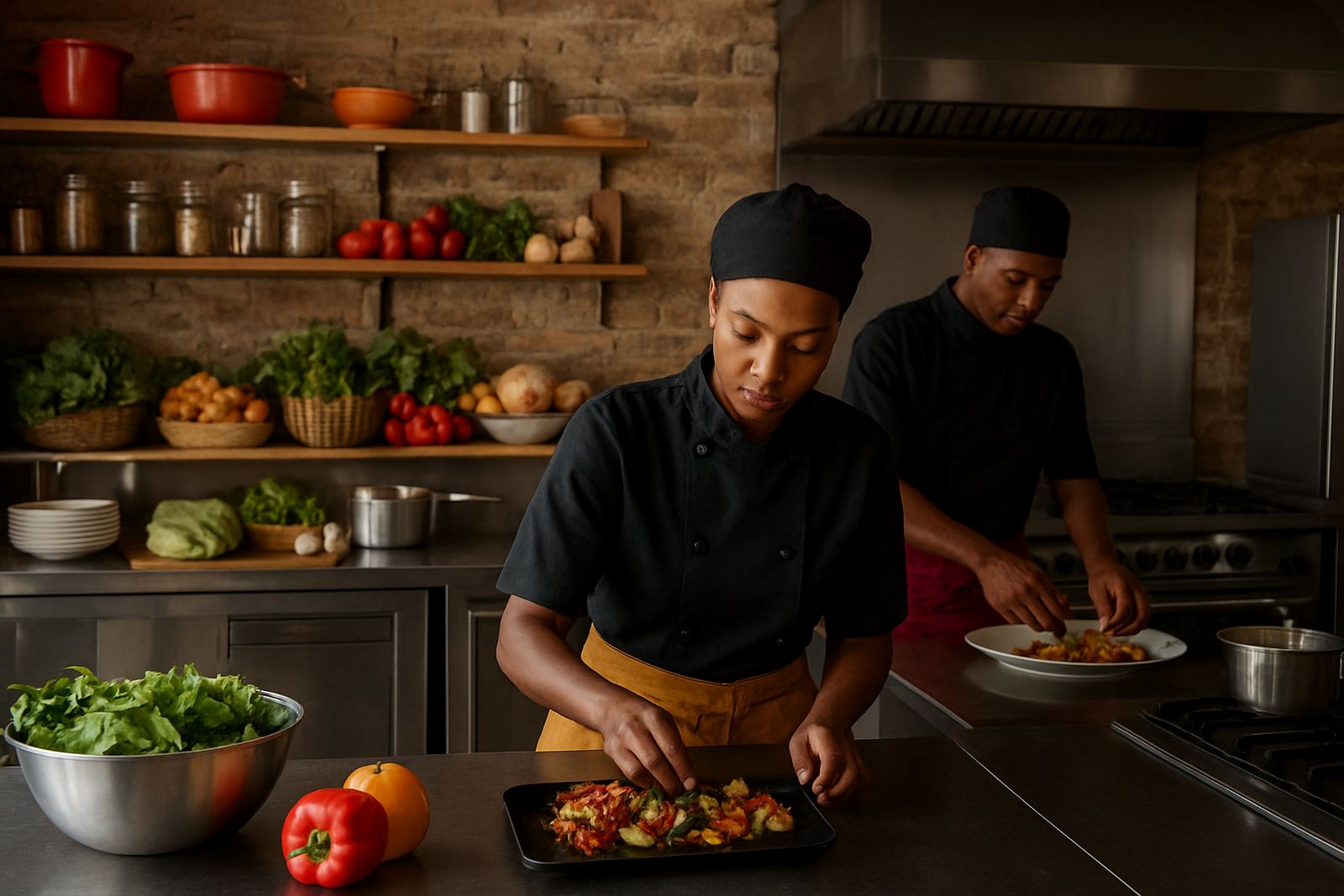
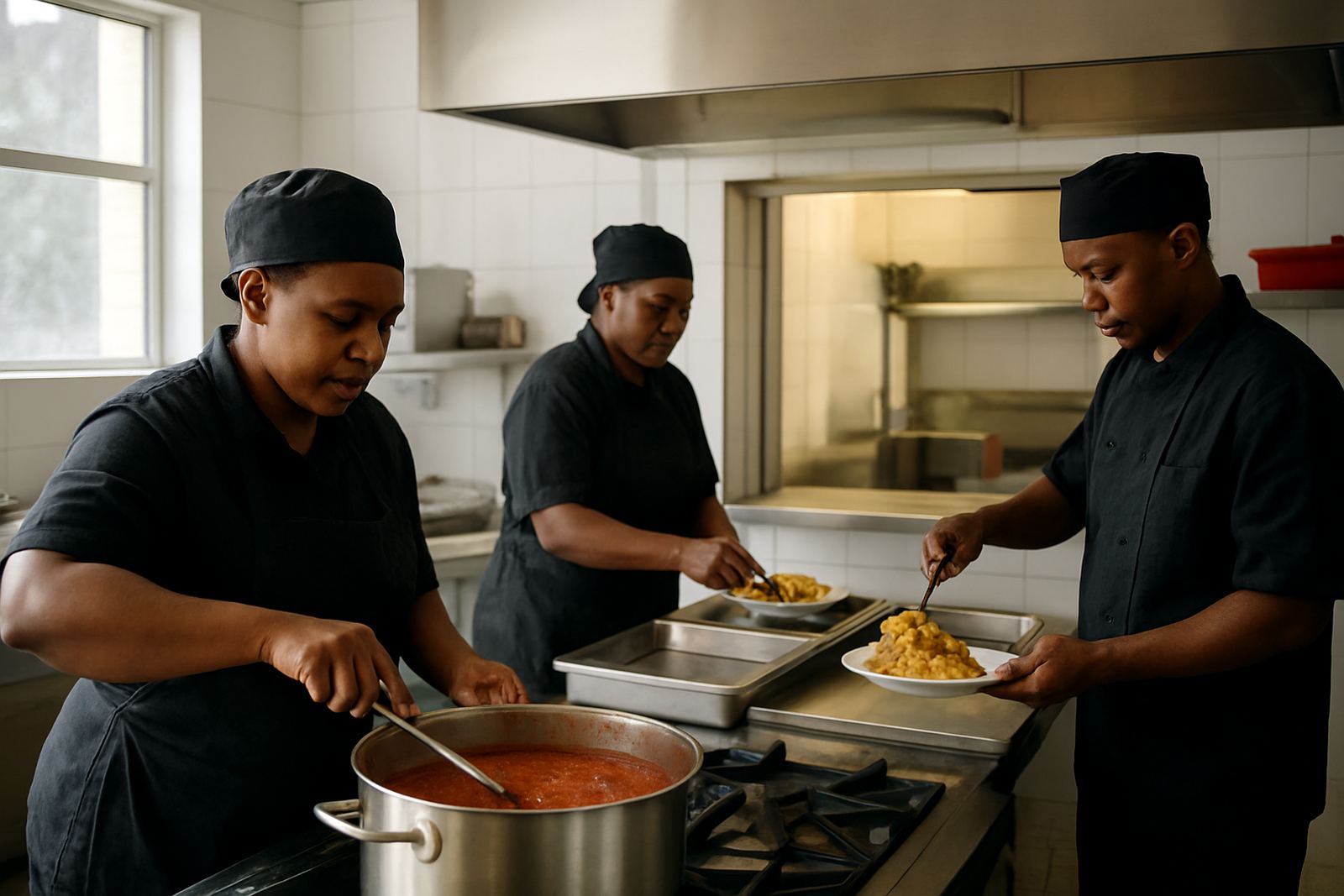
A care home kitchen is not built for a few casual meals a day. It has to feed residents on time, every day, with proper portions, soft diets, diabetic options and hot meals that arrive when the nursing team needs them. In Durban and the wider KwaZulu-Natal area, that also means dealing with humid air, salt in the atmosphere and power interruptions that can knock out fridges or interrupt cooking if the layout has not been thought through properly.
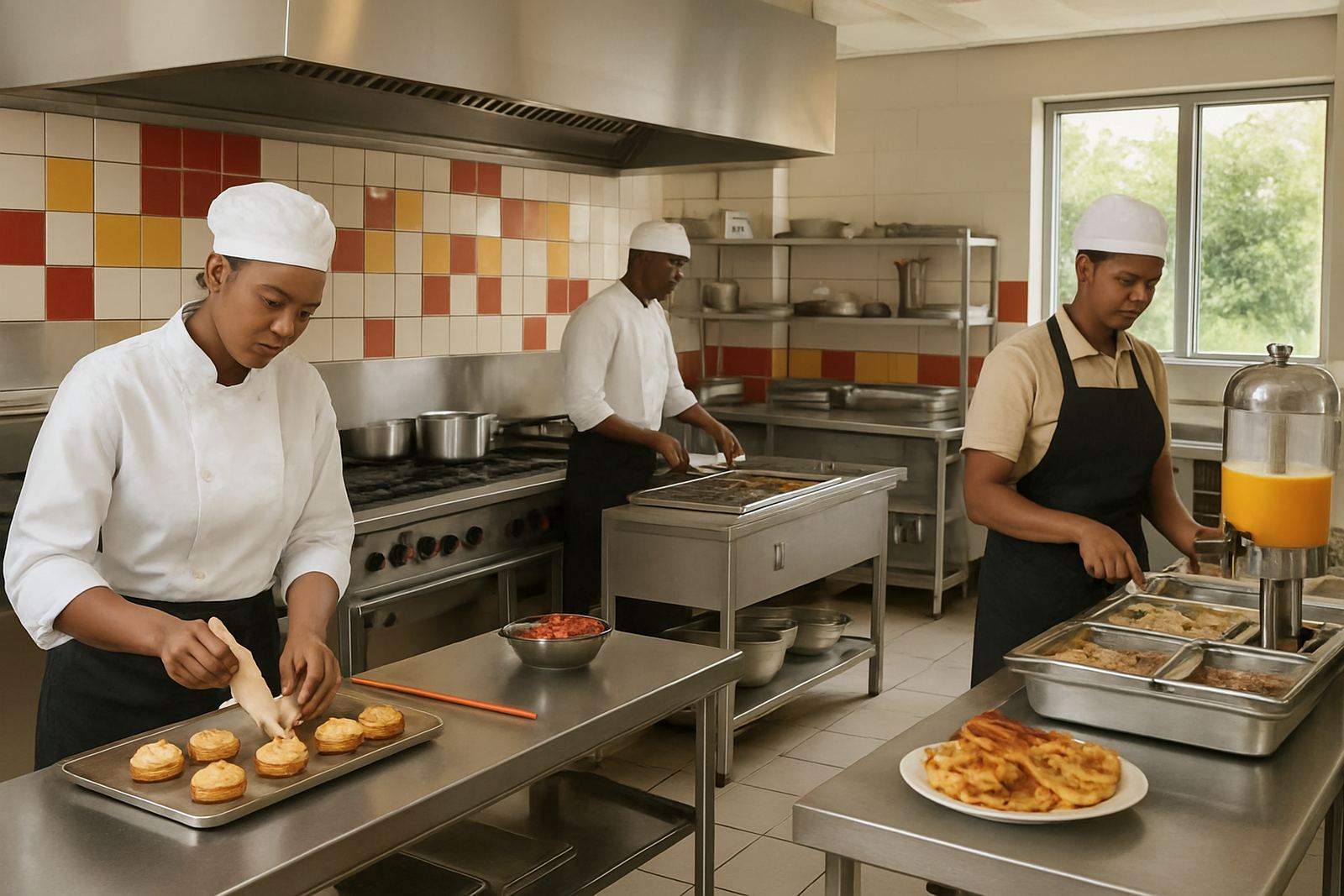
We work on kitchen layouts for homes with 20 beds and for larger facilities with several service rounds. The main aim is simple: clear food flow, safe temperatures, enough cold storage and equipment that staff can clean quickly between services. If the kitchen has to produce breakfast, lunch, tea and supper, the plan must allow for prep in the morning, holding during the day and easy reheat or finish service later on.
Typical equipment for a care home kitchen
The exact set depends on resident numbers and whether meals are cooked from scratch or partly prepared off site. For most care homes, we start with a cooking line, a prep area, cold storage and a dishwash return area that does not cross over with clean food. Stainless steel is usually the best choice for tops, splashbacks and shelving because it handles daily washing and damp coastal conditions better than painted mild steel.
- Gas or electric range with oven for bulk cooking and tray finishing
- Convection oven for pies, bakes and batch roasting
- Boiling table or stock pot area for soups, porridge and sauces
- Refrigerators and upright freezers sized for daily and emergency stock
- Prep tables, vegetable sinks and handwash basins in the right positions
- Hot cupboard or heated holding unit for timed service rounds
- Extraction canopy and ducting where cooking load needs it
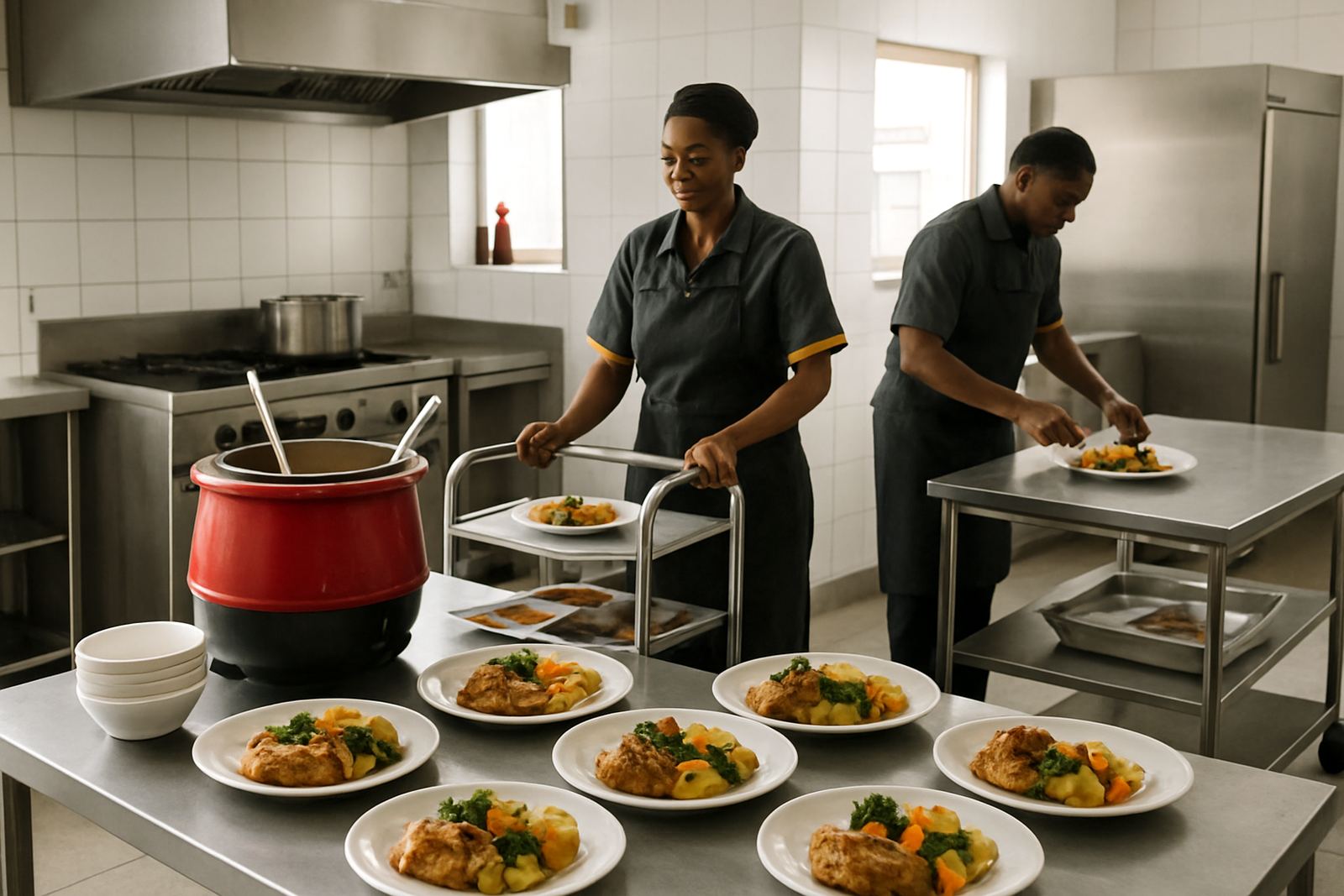
- Pass-through or service counter for fast plated meal handover
Where the home serves soft or pureed diets, we often add a blender station close to the prep area, plus a dedicated small sink for allergen and diet-specific handling. This saves time and lowers the risk of mix-ups when staff are under pressure.
Layout that suits nursing schedules and food safety
Good layout matters as much as equipment. The kitchen should follow a clean flow from receiving to storage, prep, cooking, holding and washing up. If raw product, cooked meals and dirty returns all cross paths, staff will waste time and the kitchen becomes harder to keep sanitary. In care homes, that can lead to late meals, colder plates and unnecessary complaints from residents and families.
We usually plan the room so that dry goods, chilled goods and frozen goods each have their own storage zone. Prep tables sit close to the sinks and the cooking line sits close to extraction and safe gas or electrical connections. If the kitchen is in a Durban North, Umhlanga or Ballito property where space is tight, we sometimes use smaller modular equipment and wall-mounted shelves to keep the floor open. That helps with cleaning and reduces trip hazards for staff pushing trolleys.
- Keep raw and cooked food routes separate
- Place the handwash basin where staff can actually reach it before work starts
- Allow space for plated meal trolleys to turn without clipping walls
- Leave service access for maintenance, filter cleaning and gas checks
- Plan the dishwash area so steam and splash do not affect dry stores
Common mistakes we see in care home projects
One common mistake is buying equipment before the room is measured properly. A kitchen can look big on paper and still feel cramped once the fridge doors, oven doors and trolley routes are factored in. Another problem is under-sizing cold storage. Care homes often need separate space for dairy, fresh vegetables, cooked items and special diet trays, and if everything goes into one small fridge the staff end up overstacking shelves and losing stock rotation control.
We also see bad extractor planning. In a coastal area, grease and moisture can build up quickly, so a weak canopy or poor duct run becomes a maintenance problem. Load-shedding is another issue. If there is no plan for emergency cooking or safe refrigeration backup, residents may face menu changes at short notice. It is better to plan for the real site conditions from the start, even if it means adding a changeover point for a generator or a separate circuit for critical cold rooms.
Do not forget municipal and fire safety requirements. Access routes, fire stopping around penetrations and gas cylinder placement must be handled correctly, especially where inspections may be required before opening or after a renovation.
Budget ranges for Durban and KwaZulu-Natal
Budgets vary a lot by resident count, existing services and whether the kitchen needs a full fit-out or only equipment replacement. As a practical guide, a small care home with basic cook-and-hold service can start around R180 000 to R350 000 for essential equipment, stainless work and installation. A mid-sized home with proper extraction, multiple fridges, a convection oven and better holding equipment often lands between R350 000 and R850 000.
Larger facilities, or sites that need new stainless fabrication, electrical upgrades, gas reticulation changes and more detailed commissioning, can move above R1 million. The better approach is to budget in phases if needed, starting with the items that protect food safety and resident meal service first. In our experience, it is usually wiser to spend properly on refrigeration, extraction and the main cooking line than to spread the money thinly across too many low-spec items.
- Basic replacement of worn equipment: from about R60 000
- Small new layout with installation: R180 000 to R350 000
- Full mid-size care home fit-out: R350 000 to R850 000
- Custom fabrication, services upgrades and commissioning: from R850 000 upwards
How we support care homes after installation
A care home kitchen needs regular attention after handover. Filters need cleaning, fridges need temperature checks, door seals wear out and heating equipment takes strain from daily use. We support projects from Glen Anil, Durban and across Durban North, Umhlanga, Pinetown, Ballito and Pietermaritzburg with commissioning, preventive maintenance, breakdown repairs and staff training. That makes a difference when the kitchen team changes or a unit starts to drift out of spec.
For homes that run with a small staff complement, training is worth as much as the equipment itself. Staff must know how to switch units on in the right order, what to do during a power failure, how to store soft diet trays and when to log a temperature issue. We keep the advice practical and site-based, not just theoretical. The kitchen must work on a normal Tuesday when two people are on shift and lunch is due in 40 minutes, not only on opening day.
If you need a care home kitchen planned or upgraded in Durban or anywhere in KwaZulu-Natal, we can assist with site surveys, equipment specification and installation. Send a message through our contact form for support from the KZN Catering Equipment team.