What a vacuum packer does in a working kitchen
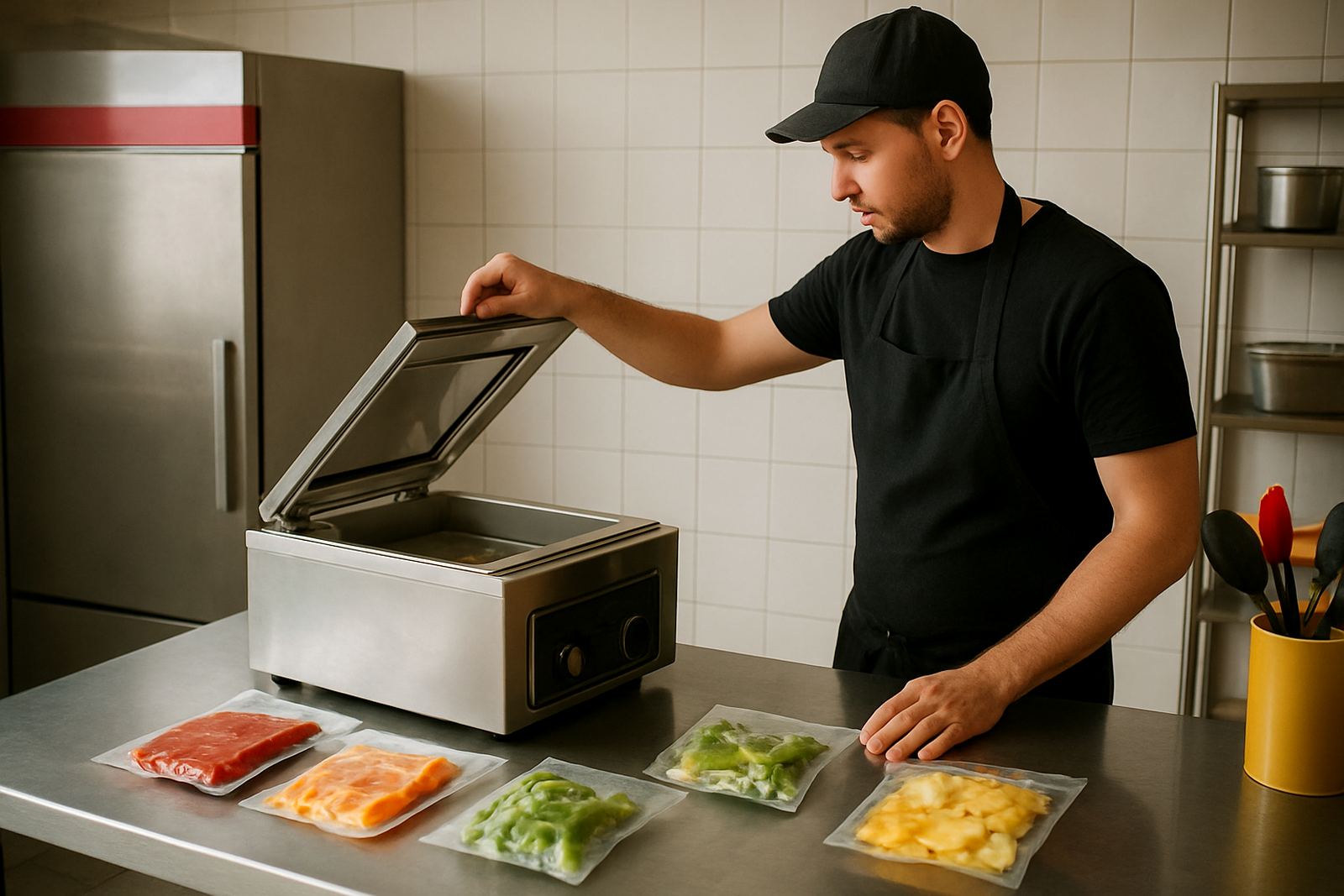
A vacuum packer removes air from a bag and seals it tight around the product. That simple step helps with portion control, cleaner storage and better prep planning. It is commonly used for meat, poultry, fish, cooked sauces, vegetables and prepped items that need to stay tidy in the chiller or freezer.
In a commercial kitchen the value is not just in the seal, it is in consistency. Staff can pack standard weights for service, keep allergen groups separated, and label items more clearly. For kitchens running under pressure in Durban, where humidity and frequent door opening can affect chilled storage, a proper vacuum seal can make a real difference.
Vacuum packer types and size options we supply
Vacuum packers are available in a few practical formats, and the right one depends on how often you pack and what you pack. Smaller units suit prep kitchens and butchery counters, while chamber machines are better for regular service and higher volumes. For most food-service clients, the chamber type is preferred because it handles liquids and moist foods better.
- Bench-top units for smaller kitchens and light daily packing
- Chamber machines for restaurants, hotels, hospitals and central kitchens
- Single seal or double seal bar options for different bag widths
- Digital controls for vacuum level, seal time and marinating cycles
- Gas flush option on selected models for products that need extra pack support
Bag size and chamber size must match your product. If you pack large cuts, meal trays or bulk prep items, we check the internal chamber size before quoting. It saves a lot of hassle later when the machine is on site and the bags are too small for the workload.
Where vacuum packing suits best in KZN kitchens
Vacuum packing is used in a wide range of commercial settings. In restaurants it helps with mise en place and batch prep. In canteens and hospitals it supports portion control, safer cold storage and easier stock rotation. In butchery and deli environments it helps with pack presentation and reduced wastage.
It also suits coastal kitchens that need to keep stock in order despite warm loading areas and busy service periods. If you are running a kitchen in Glen Anil, Umhlanga, Ballito, Pinetown or Pietermaritzburg, vacuum packing can fit into your cold room workflow and help keep prep areas cleaner. It is especially useful where stock is moved between prep, chillers and service more than once a day.
- Restaurants and hotels
- Hospitals and frail care kitchens
- Canteens and institutional feeding
- Butchery, deli and food prep rooms
- Central kitchens and contract caterers
Power, placement and installation details to plan for
Most vacuum packers are electric and need a stable power supply. Smaller bench units often work on standard 220V single phase power, while larger chamber machines may need a dedicated circuit. We check the machine plate and the site supply before installation so there are no surprises on delivery day.
Allow clear working space around the machine for loading, sealing and cleaning. The unit should sit level on a firm surface, close to the prep area but away from water splash and heavy heat. If the kitchen has regular load-shedding or voltage dips, it is worth speaking to us about backup planning, surge protection and how the machine will fit into the day's packing schedule. Gas is not required for the machine itself, though some kitchens pair vacuum packing with gas powered cooking or holding equipment nearby.
Our team can include site surveys, layout guidance, installation and commissioning so the machine is set up correctly from day one.
Care, cleaning and servicing that keep the seal reliable
A vacuum packer needs simple but regular care. The seal bar, lid gasket and chamber must be kept clean and dry. Bag residue, grease or small food scraps can affect the seal and shorten the life of the machine. Staff should be trained to check the seal line and reject packs that look loose or uneven.
For planned maintenance, we look at seals, pumps, electrical controls and wear parts before they become a problem. In Durban's coastal air, metal parts and hinges can suffer if they are not wiped down and protected properly, so daily cleaning matters. If the machine is used for wet products, the chamber needs extra attention after each shift. A quick clean is cheaper than a breakdown later, and that is no exaggeration.
- Wipe down the chamber after each service period
- Check the seal bar for damage or food residue
- Keep bags and rolls dry and stored off the floor
- Book preventive maintenance before peak trading periods
- Ask for breakdown support if the vacuum level drops or the seal weakens
What to check before you order a vacuum packer
Before you buy, it helps to think through how the machine will actually be used. A unit that is too small will slow the prep team down, while a machine that is too large may take up more space and power than needed. We ask the right questions up front so the spec fits the kitchen instead of the other way around.
Check your average pack size, daily volume, product type and available counter space. If you pack liquids, choose a chamber model suited to moist foods. If the machine will be used by several staff members, look for clear digital controls and a lid that closes easily. We also consider bag supply, replacement parts and after-sales support, because a machine is only useful if the kitchen can keep it running. That is where proper spec work saves time and money.
- Product type: dry, moist, liquid or mixed items
- Daily pack volume and peak service periods
- Bag width and chamber size required
- Available electrical supply and circuit protection
- Space for loading, cleaning and storage of consumables
- Training needs for staff who will run the unit
If you need a vacuum packer for a new kitchen or an upgrade to an existing prep area, our Durban team can help with specification, supply, installation and after-sales service across KZN.
Key facts
| Power supply | 220V single phase on smaller units, selected larger models may need dedicated power |
|---|---|
| Seal bar length | Common options from 280 mm to 600 mm depending on machine size |
| Chamber size | Sized to suit tray, cut or portion volume, model dependent |
| Pump capacity | Matched to packing volume and cycle speed, model dependent |
| Construction | Stainless steel body and chamber on most commercial units |
| Typical use | Portion control, sous-vide prep, chilled storage and shelf-life support |